What should you consider when buying?
First, check that your regular bedding load will fit in the drum and that the appliance will fit in your utility room. Then compare the care programme and consumption figures.
| Consideration |
What to check before buying |
Who should consider this? |
| Drum size |
Compare your largest regular load with the rated capacity in kg and the load limit for your chosen programme. |
If I regularly wash sheets and covers together, I want a drum that fits the load without choosing a larger one just for occasional extra-large washes. Around 33% of consumers put choosing the right drum size first. |
| Installation and water protection |
Measure the available space, including room for the door and connections, and check the water protection system specified for the model. |
If space in my utility room is limited, I want to be able to reach the connections and open the door, as well as know how the appliance is protected against water leaks. Around 27% of consumers prioritise installation and water protection. |
| Running costs |
Compare kWh per 100 Eco cycles and litres per Eco cycle using the same label basis; weigh up programme duration and purchase price separately. |
If I wash frequently, I want to weigh consumption against the purchase price in a straightforward way, rather than automatically prioritising extra features. Around 20% of consumers put running costs first. |
| Fabric care |
Check the care label and the Cotton or Cottons/colours programme. Consider Eco 40–60 only for normally soiled cotton items labelled as suitable. |
If I want to care for my cotton bedding properly, I choose the temperature and programme to suit the care label and how soiled it is. Around 20% of consumers prioritise fabric care. |
Suitable washing machines at Joybuy
The models below cater for different load sizes and installation requirements when washing cotton bedding.
 No image available
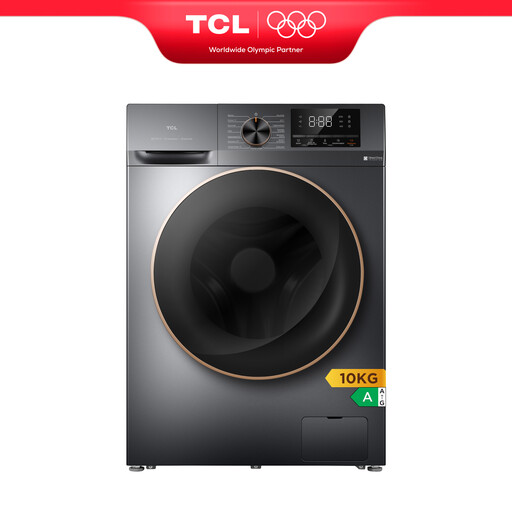
TCL FP2210SA0AMDE, 10 kg
The stated capacity provides a useful comparison for regularly washing larger loads.
10 kg rated capacity; energy class A; Smart DD motor; steam wash; 15-minute quick wash for lightly soiled laundry.
Joybuy
 No image available
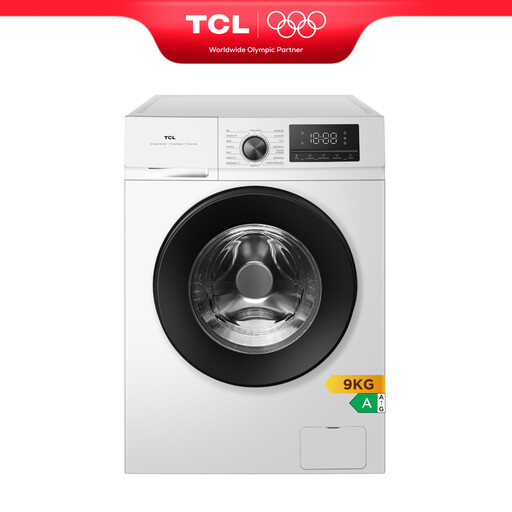
TCL FF0109WA2AMDE, 9 kg
The 9 kg capacity offers a useful comparison if it’s right for your regular bedding load.
9 kg rated capacity; energy class A; BLDC motor; steam wash; 15-minute quick wash.
Joybuy
 No image available
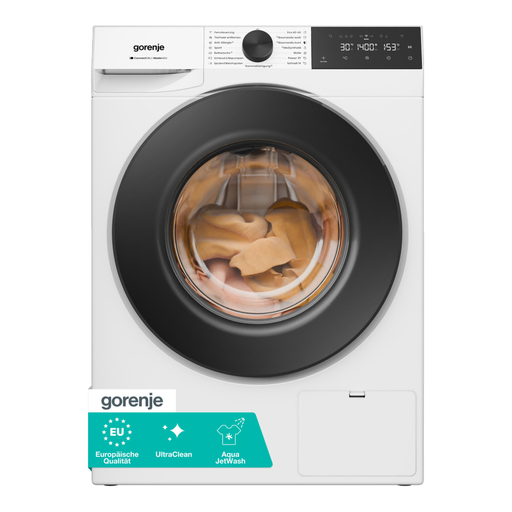
Gorenje W5G4S84AP2, 8 kg
This model has both a Cottons and a Bedding programme. Its stated depth doesn’t replace measuring the full installation space.
8 kg rated capacity; 460 mm appliance depth; energy class A; 43 kWh per 100 cycles and 41 litres per cycle according to the product details; AquaStop; Cottons, Bedding and Eco 40–60 programmes.
Joybuy
 No image available
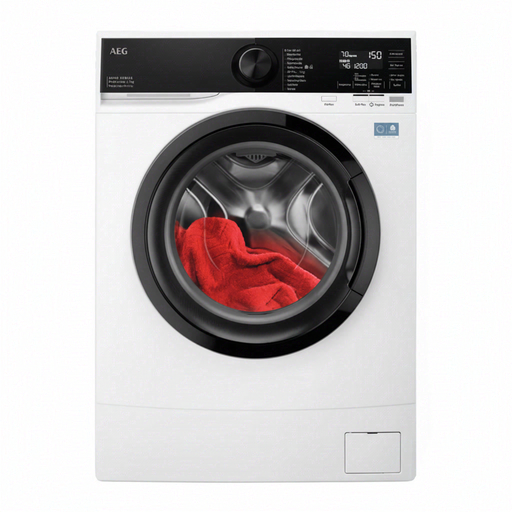
AEG LSR6FA75470, 7 kg
This model is worth considering if 7 kg is enough for your bedding load and its stated depth suits your available space.
7 kg rated capacity; 1400 rpm; 487 mm depth; energy class A; 45 kWh per 100 cycles and 45 litres per cycle according to the product details; AquaStop; Cottons, Eco 40–60 and Duvet/Bedding programmes.
Joybuy
 No image available
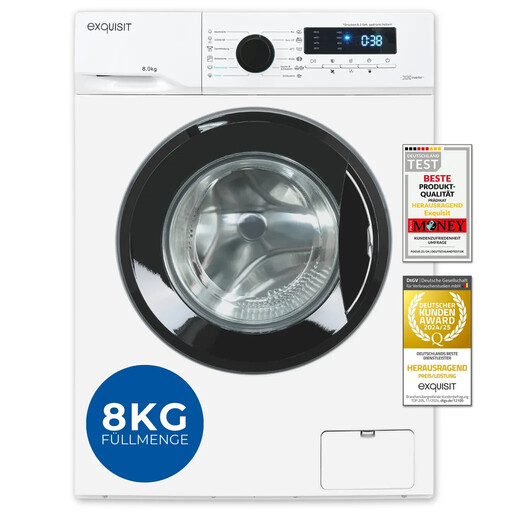
Exquisit WA58014-020A, 8 kg
The 8 kg capacity and Cotton-Care programme offer a useful comparison for cotton laundry. Check the dimensions against your available space.
8 kg rated capacity; 84,5 × 59,5 × 52,5 cm; energy class A; maximum 1400 rpm; 47 kWh per 100 cycles and 50 litres per cycle according to the product details; AquaStop; Cotton-Care and ECO programmes.
Joybuy
Frequently asked questions
Which programme is suitable for cotton bedding?
Choose the programme and temperature to suit the care label. Bosch recommends Cottons or Cottons/colours for cotton bedding. Under EU Regulation (EU) 2019/2023, Eco 40–60 is intended for normally soiled cotton labelled as washable at 40 °C or 60 °C.
Does bedding always need to be washed at 60 °C?
No, not necessarily. For hygiene reasons, the German Environment Agency recommends washing bedding at 40 or 60 °C. Always follow the care label when choosing a temperature.
What should I check before installing a washing machine in my utility room?
Measure the available space, including room for the door to open and for connections, and check the water protection system on the specific model. The consumer advice centre highlights the importance of an integrated water protection system.
How can I compare washing machine energy labels?
For household washing machines covered by the scheme, the EU label uses classes A to G rather than the former A+++ scale. The German Environment Agency lists figures such as kWh per 100 Eco wash cycles, water consumption per Eco cycle, capacity and spin noise level. Compare consumption figures on the same programme basis; you don’t have to buy a particular energy efficiency class.


