People with a set time slot for washing
If you share laundry times with others, the programme and time needed to remove your washing must fit within the agreed slot. Check which programmes offer a time-saving option and the load size it applies to.


Start by checking how much time you have and what the care labels on your shorts say. Compare the duration of a suitable cotton or Eco programme, including its load limit, rather than relying on the advertised time for a quick wash. If time is tight, a time-saving option may help. If you have time for Eco 40–60, also compare each model’s consumption figures, drum capacity and spin noise. Whether having your own machine is a practical option also depends on the space available and how its use will be arranged.
If you share laundry times with others, the programme and time needed to remove your washing must fit within the agreed slot. Check which programmes offer a time-saving option and the load size it applies to.
If your shorts have different care symbols, choose the programme, temperature and spin setting to suit them rather than relying on the fibre label alone. GINETEX GERMANY explains that the number in the wash tub indicates the maximum permitted washing temperature.
If the machine is close to shared or occupied rooms, compare the spin noise and agree washing times with anyone else who uses the space. The Verbraucherzentrale lists the spin-noise value as a comparison figure on the EU energy label.
The key question is whether the programme, load and time needed to remove the washing fit within the agreed shared slot. The care label on your shorts should always guide your choice.
A good fit if: The care label says your shorts can be washed at 40 °C or 60 °C, they are normally soiled, and your time slot is long enough for the programme and removing the washing.
Bear in mind: EU label figures are based on Eco 40–60; they do not automatically show the consumption of shorter programmes.
A good fit if: Your time slot is too short for Eco 40–60 and the specific model allows you to shorten the programme you’ve chosen for the load size you need.
Bear in mind: The duration and permitted load depend on the programme, setting and load size. A shorter cycle may not be available for every full load.
A good fit if: You only have a few lightly soiled pairs of shorts, and the care label and programme description say the wash is suitable.
Bear in mind: Limits vary by model: AEG specifies a maximum of 3 kg for its 20-minute refresh programme, while Beko specifies 2 kg for a different 14-minute programme. These figures do not apply to other models.
| What matters | What to check when buying | Who will find this especially important? |
|---|---|---|
| Programme duration and a predictable finish | How long the suitable programme takes; conditions for time-saving options and the remaining-time display. | If I share a set laundry slot, the wash and time to remove the washing must fit into it. That’s why around 26% of consumers put a predictable programme duration first. |
| Caring for your specific shorts | A suitable cotton or gentle-care programme; temperature and spin speed options for the chosen programme. | If my shorts have different care symbols, I want to choose a programme and temperature to suit each label. Around 21% of consumers prioritise fabric care. |
| Spin noise | Spin noise in dB(A) and the noise emission class on the EU label; available spin settings. | If the machine is close to shared rooms, I want to check the noise during the spin cycle and agree suitable washing times. Around 21% of consumers pay particular attention to noise emissions. |
| Space and load capacity | Appliance dimensions and access to the space; rated capacity and the load limit for the programme you want. | If I first need to check that I have room for my own machine and that it can handle the amount of washing I usually do, practical installation is the deciding factor. Around 16% of consumers put available space and load capacity first. |
| Energy and water consumption | kWh per 100 Eco cycles and litres per cycle on the same programme basis; water protection features and the conditions for each model. | If I’m mainly comparing consumption figures and running costs, I want to compare label figures for the same programme. Around 16% of consumers prioritise running costs. |
Quick programmes have limits that vary by model and programme. For example, AEG describes its 20-minute programme as a refresh for up to 3 kg of lightly soiled laundry; Beko specifies 2 kg for a different programme.
Check the load limit and whether the specific programme is suitable for the amount of washing, how soiled your shorts are and what their care labels say.
If the quick programme’s load limit is too low, you may need to run an extra wash.
The energy and water figures shown are based on Eco 40–60 and do not automatically apply to other programmes.
Only compare label figures on the same Eco basis, and check the specific model’s information for any alternative programmes you use regularly.
Appliance dimensions and rated capacity do not tell you how much laundry a particular quick programme can take.
Measure the space you plan to use, including access, and check the load limit for the programme you actually want to use.
Your statutory rights are separate from a voluntary guarantee. Manufacturers may also list delivery and installation as separate services.
Before you decide, check the terms of the specific guarantee and exactly what the offer includes.
The 6000 Series LR6B60680 is an 8 kg model with ProSense and a time-saving option.
The WML81434NPS1 combines an 8 kg rated capacity with a choice of quick programmes.
The Serie 6 WGG244ZR10 front-loader is a 9 kg model with a reload function.
The iQ500 WG44G2Z22 front-loader has a rated capacity of 9 kg and a reload function.
The W1 WWE380 WPS PWash&Steam&8kg front-loader is an 8 kg model with QuickPowerWash.
The Joybuy products below include washing machines with Eco or cotton programmes for longer laundry slots, as well as models with quick programmes or scheduling features for tighter time slots. For each machine, check that the programme, load limit and care label are suitable for your laundry.
 No image available
A good fit if you have a longer laundry slot for Eco 40–60 and the programme suits the care labels.
Eco 40–60: 240 minutes for a full load, 180 minutes for a half load and 142 minutes for a quarter load. A cotton programme and Quick 14 are listed, along with an end-of-cycle signal and a delay start of 3 to 19 hours.
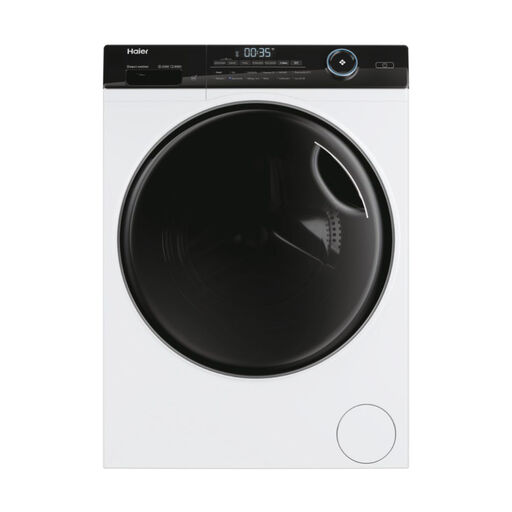 No image available
May suit you if you want to schedule your wash in advance or adjust the cycle duration to fit your plans.
The product name gives a spin speed of 1,400 rpm and a 24-hour delay start. The product description lists I-TIME for adjusting the cycle duration.
 No image available
May be worth considering for a few lightly soiled items, if the care label and programme description say it’s suitable.
The product description lists a 15-minute quick programme for small, lightly soiled loads, as well as a delay start of up to 24 hours.
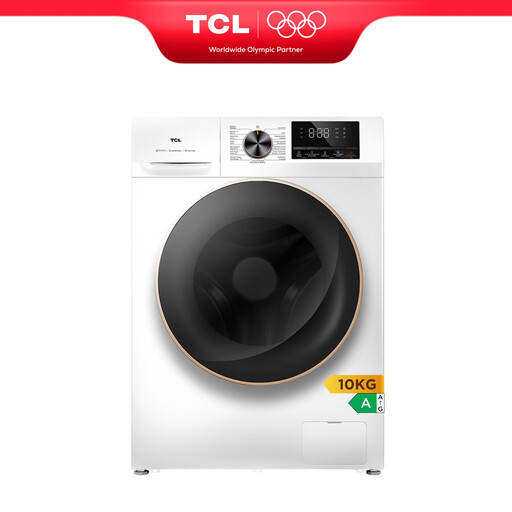 No image available
An option if the quick programme description suits lightly soiled everyday laundry and the care label.
The product name lists a 15-minute quick programme and a delay end function. The description says the quick programme is for lightly soiled everyday laundry.
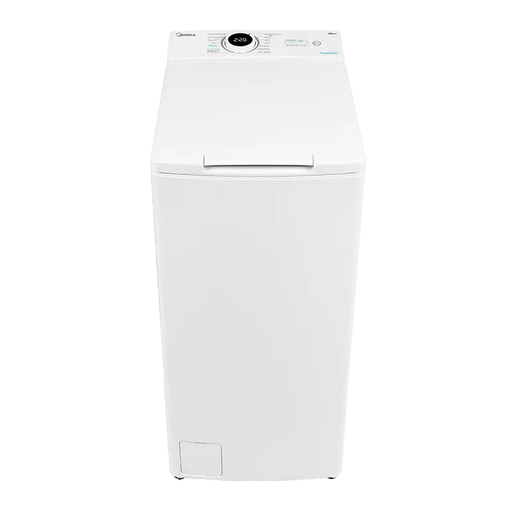 No image available
May suit you if cotton or Eco 40–60 is appropriate for the care labels and you want to plan the start time and check the remaining cycle time.
A cotton programme, Eco 40–60, selectable temperatures up to 60 °C, a delay start of up to 24 hours and a remaining-time display are listed. The stated spin noise is 78 dB(A).
Only if the care label allows it and the shorts are normally soiled. The European Commission describes Eco 40–60 as suitable for cotton laundry labelled as washable at 40 °C or 60 °C. Follow any instruction for gentler treatment, such as a bar beneath the wash symbol.
Not necessarily. AEG describes its 20-minute programme as a refresh cycle for up to 3 kg of lightly soiled laundry. Other models and programmes have their own limits.
Remove your damp washing promptly so the machine is free for the next person’s agreed slot. The Verbraucherzentrale also recommends wiping the door seal and detergent drawer dry, and leaving the compartments open to dry. Agree how to hand over the machine with anyone else who uses it.
Check the specific offer to see whether delivery, installation and possible removal of your old appliance are included or charged as separate services. The Verbraucherzentrale points out that your statutory rights against the seller are different from a voluntary manufacturer’s or retailer’s guarantee.
No. Old electrical appliances must not go in unsorted household or bulky waste. The Umweltbundesamt lists recycling centres as a place to take them; retailers have take-back obligations under certain legal conditions. If you want your old machine collected when your new one is delivered, arrange this when you buy it.