Households with smaller loads
If you wash your shorts with other suitable coloured items, choose a capacity that suits the loads you usually do.


Choose a washing machine based on the loads you usually wash, rather than a single pair of shorts. First, compare capacity and dimensions, including the space needed to open the door or lid. Then consider the programmes, energy label and water protection. A slim top-loading machine needs clearance above it, while a front-loader needs room for its door to swing open. Always follow the care label on your shorts for the right temperature and treatment.
If you wash your shorts with other suitable coloured items, choose a capacity that suits the loads you usually do.
Width and depth matter, as does the space needed to open the front door or lid.
If you regularly wash coloured loads, compare the programmes and energy and water figures rather than choosing a machine just for your shorts.
| What matters when buying | What to look for | Who it matters most to |
|---|---|---|
| Suitable capacity | Compare the size of your usual loads with the maximum load allowed for the programme you plan to use. | If I usually wash smaller loads, I want the drum to suit my actual needs. Capacity is the top priority for around 26 % of consumers. |
| Space and loading style | Check the width, depth and height, the clearance needed to open the door or lid, and the connections at the intended installation spot. | If my utility room is small, I need a machine that can be fully opened and loaded there. Around 21 % of consumers pay particular attention to the space available. |
| Programmes and fabric care | Check the care label and choose the temperature and spin speed according to its instructions. | If my shorts need a particular wash treatment, I choose the programme and settings to match the care label. Fabric care is the main concern for around 21 % of consumers. |
| Energy, water and drying | Compare figures for the same Eco programme and using the same energy-label basis. | If I use the machine frequently, I want to compare like-for-like energy and water figures before deciding. Around 16 % of consumers pay particular attention to consumption and ongoing costs. |
| Installation and water protection | Check the connections, model-specific water protection, installation instructions and what’s included in the installation service. | If suitable installation and protection against water damage matter to me, I check the features of the specific model. Around 16 % of consumers focus on these points. |
The right machine size depends on the loads you usually wash at home. An oversized capacity could mean that loads don’t make full use of the drum.
Base your choice on the laundry you sort regularly, and check the load limit for your chosen programme.
The old scale has been replaced. Since 2021, the EU energy label for washing machines has run from A to G, with ratings based on the Eco 40–60 programme.
Compare current label figures on the same basis. The German Environment Agency and the European Commission explain the current scale and how it relates to Eco 40–60.
Depth, height and the clearance needed to open the door or lid also determine whether you can use the machine in its intended spot.
Measure the space and opening clearance, then check the connections, installation instructions and what’s included in your delivery and installation booking.
The details below apply to the specific models named, not to every machine made by each brand.
The DTL 6B BK W FF top-loader is an option for spaces where width is limited.
The Serie 6 WGG244F40 front-loader has a rated capacity of 9 kg, making it suitable for regularly washing correspondingly large loads.
The iQ500 WG44G2140 front-loader has a rated capacity of 9 kg.
The W1 WWA120 WCS 8kg Active front-loader has a rated capacity of 8 kg.
The Joybuy products below are all front-loaders. Compare their capacities and dimensions with your usual loads and the space available for the door to open.
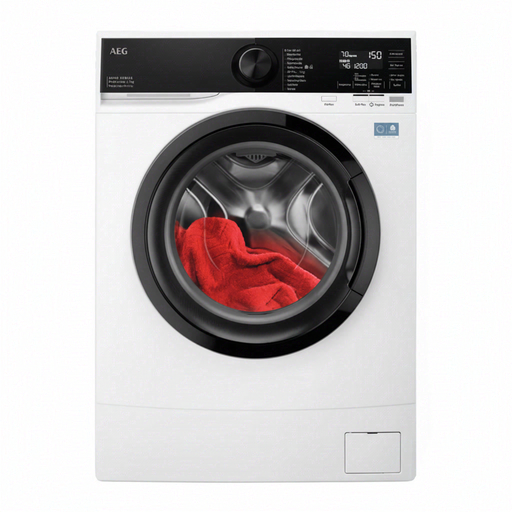 No image available
With a 7 kg capacity, this model is worth considering if it suits the loads you usually wash at home.
A Cottons programme and adjustable temperature and spin speed are listed.
It has energy class A, uses 45 kWh per 100 cycles, spins at 1,400 rpm and is 487 mm deep. Check the dimensions and clearance for opening the door at your installation spot.
 No image available
The stated capacity of 13 kg is worth considering if you regularly wash combined loads of this size.
A Cottons programme and adjustable temperature and spin speed are listed.
The stated dimensions are 600 × 850 × 615 mm; a depth of 1,145 mm is given with the door open at 90°. Energy class A, a spin speed of 1,360 rpm and AquaLock are also listed.
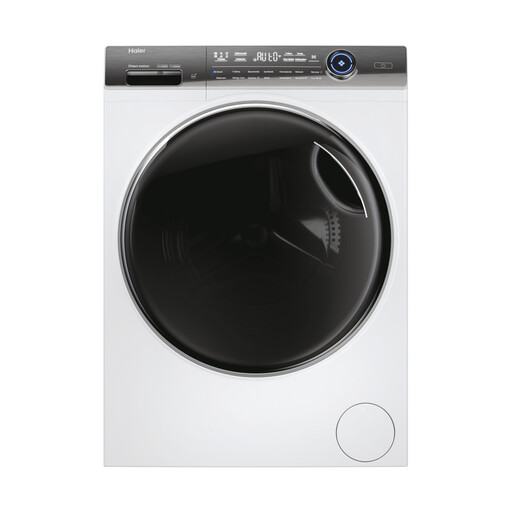 No image available
The stated 8 kg capacity could suit your usual household loads if you regularly make use of this capacity.
For Eco 40–60, the figures listed are 38 kWh per 100 cycles and 44 l of water per cycle. Energy class A and a spin speed of 1,400 rpm are also specified.
A Cottons programme and a depth of 50 cm are listed. Measure your installation space, including the clearance needed to open the door.
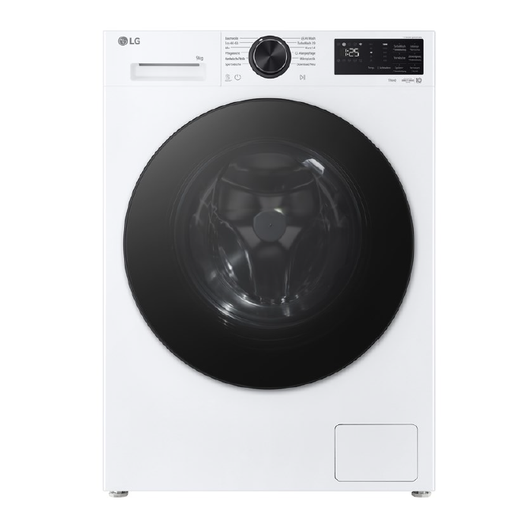 No image available
With a stated capacity of 9 kg, this model is worth considering if it suits the loads you regularly wash.
A Cottons programme and selectable temperature and spin speed are listed.
This Slim-Fit model measures 600 × 850 × 475 mm. It also has energy class A and a spin speed of 1,200 rpm. Check the dimensions against the space available.
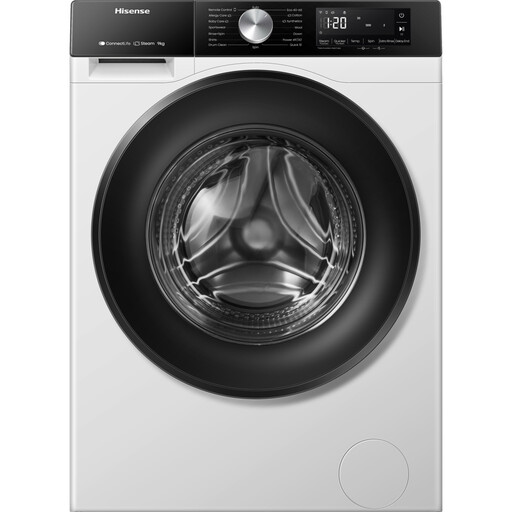 No image available
The stated 9 kg capacity is an option if your regular household loads make use of this size.
For Eco 40–60, the stated water use is 39 l per cycle. Energy class A and a maximum spin speed of 1,400 rpm are also listed.
The external dimensions are 85 × 60 × 55 cm. An Eco 40–60 programme and load adjustment features are listed; remember to allow space for the front door to open.
Not necessarily. The number in the wash symbol shows the maximum temperature you must not exceed. A line beneath the symbol means the garment needs a gentler wash. For lightly or normally soiled coloured laundry, the German Environment Agency says 20 to 30 °C is usually enough. Always follow the care label on your shorts.
Check the connections and installation dimensions against the instructions for your specific machine. Remove the transit bolts in line with the installation instructions. Electrolux Support Germany warns against using a front-loader with the transit bolts still in place.
After washing, dry the door seal and detergent drawer, then leave them open to air-dry. The consumer advice centre also recommends cleaning the filter regularly, following the instructions for your machine.
If a consumer purchase is faulty, you have statutory rights against the seller; a voluntary manufacturer’s guarantee does not replace them. The European Union’s consumer portal states that the minimum period is two years from receipt of the goods. Whether a particular fault is covered depends on the circumstances.