Households that wash small loads of socks
If you often wash socks in small loads and want to use the machine for other household laundry too, consider the drum capacity alongside the load limits for the programmes you plan to use.


Choose a drum size based on all the laundry your household regularly generates, not just the number of socks you wash. If you often run small loads, check the permitted load size for the programmes you use and whether the machine can adjust to smaller loads. Also compare care labels, installation and connection measurements, and the EU energy label figures, which are based on Eco 40–60.
If you often wash socks in small loads and want to use the machine for other household laundry too, consider the drum capacity alongside the load limits for the programmes you plan to use.
Everyday dirt and specific hygiene needs may call for different care choices. Checking the care label and choosing a suitable programme is more helpful than automatically opting for high temperatures.
In a utility room, you need to consider more than the appliance’s depth: connections, the route into the room and space to open the door all matter. A shallower machine must fit the whole installation space.
The figures refer to consumers choosing a washing machine for cotton socks in a utility room. Each one highlights their most important purchase consideration.
| Consideration | What to check when buying | Who is it most relevant to? |
|---|---|---|
| Small loads of socks and drum size | Compare the amount of laundry you usually wash with the permitted load size for the programmes you want to use. | If I usually wash only a few socks but need the machine for other laundry too, I look for programmes that handle small loads and a suitable drum size. Around 33% of consumers put small loads first. |
| Choosing a programme based on how soiled the socks are | Check the care label, available cotton programmes and their load limits. | When socks vary in how soiled they are, I want to follow the care label rather than always choosing the same temperature. For around 27% of consumers, choosing the right wash for dirt and hygiene is the most important consideration. |
| Installation in a utility room | Measure the appliance depth, connections, route into the room and space needed to open the door. | If space is limited, the appliance needs to fit with its hoses connected and door open. Around 20% of consumers prioritise finding a suitable space. |
| Energy and water consumption | Compare the energy and water figures on the label, which are based on Eco 40–60. | If running costs matter to me, I want to be able to relate the label figures to how I plan to use the machine. Around 20% of consumers focus on running costs. |
The EU energy label figures are based on Eco 40–60. You cannot simply apply them to a different cotton or quick programme.
Compare label figures on the same basis, and check the model-specific data for any other programmes you use regularly.
Socks usually make up only part of a household’s laundry. Choosing a capacity based solely on this small load may not suit the other loads you wash regularly.
Make a note of the total amount of laundry you generate regularly, then compare it with the rated capacity and the load limits of the programmes you plan to use.
Connections, installation and access must also work. The appliance measurements alone do not tell you whether there is enough room to open the door.
Before buying, check the available space, route into the room, connections and door clearance. Also compare the delivery and installation services included with the specific offer.
Depending on the offer, delivery or installation may involve extra arrangements.
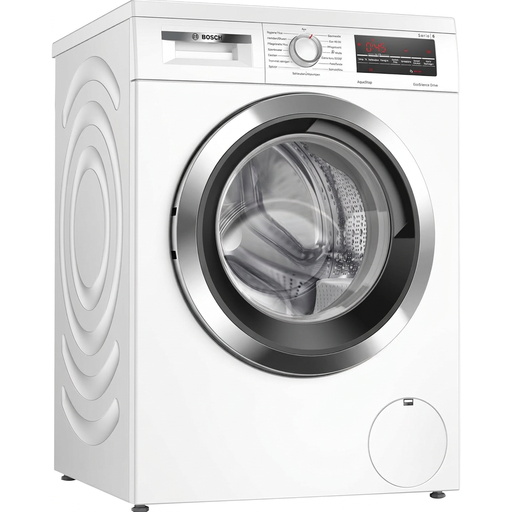
The Bosch WUU28T71 is an under-counter front-loading washing machine with a rated capacity of 8 kg.
The AEG LSR6FA75470 from the 6000 series has a shallower appliance depth, making it an option when space is limited.
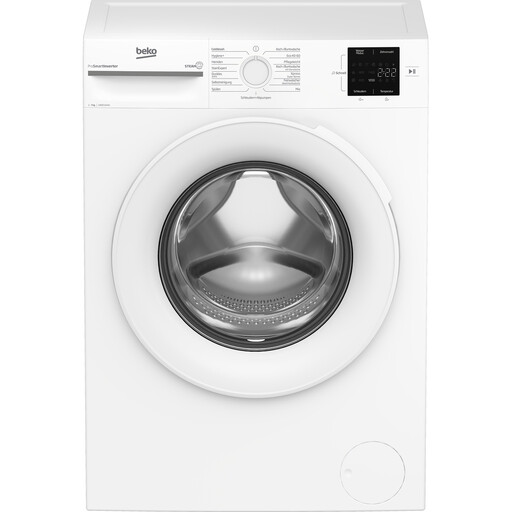
The Beko BM3WFU4741N is a 7 kg model with quick and cotton programmes.
The Miele WWA120 WCS 8kg Active is an 8 kg front-loading washing machine with AddLoad.
The options below range from washing machines for household laundry to a portable manual washing solution. For use in a utility room, make sure you compare the amount of laundry you wash, the programmes you want and the available space.
 No image available
Worth considering if you wash other household laundry as well as socks, and want to check that the available programmes meet your care requirements.
7 kg; maximum 1400 U/min; energy efficiency class A; cotton, quick wash and Hygiene+ programmes; stated appliance depth 496 mm.
SteamCure and OptiSense, which adjusts the wash to the weight of the laundry, are also listed. Check the load limit for the programme you want to use.
 No image available
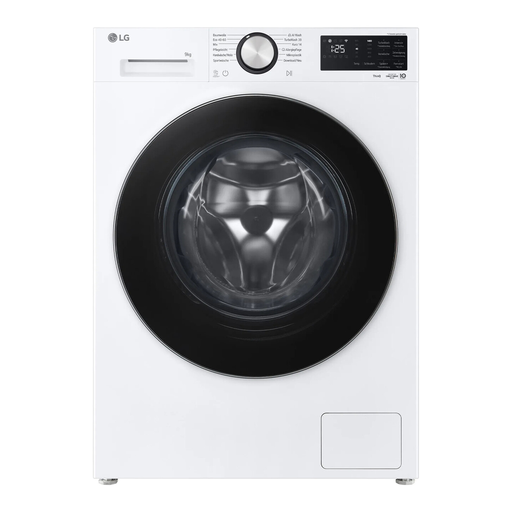
The stated capacity may suit households that regularly wash other laundry as well as socks. Compare it with the total amount of laundry you usually wash.
9 kg; 1.400 U./Min.; energy efficiency class A; AI DD®, TurboWash® 360°, Steam and Wi-Fi are listed in the product name.
Before choosing, check whether the listed features and programmes suit your specific washing needs.
 No image available
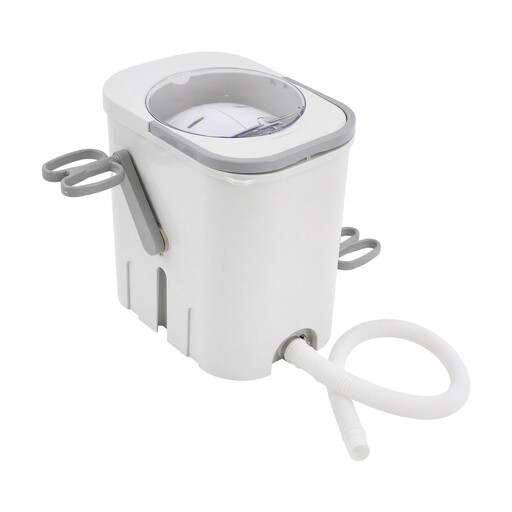
A portable hand-washing solution is only worth considering if you specifically want to wash by hand and are not looking for a conventional household washing machine.
Hand-cranked; described as not requiring an electricity connection; drain hose included.
The wash is done manually using the hand crank. Consider the effort involved compared with the convenience of a full-size machine for your regular laundry.
 No image available
The stated capacity may suit households that wash other laundry as well as socks. Check the appliance type and the space needed for installation before choosing.
8 kg; 1400 U/min; ActiveWater Plus, SpeedPerfect and a reload function are listed. Programmes include cotton, delicates and wool/hand wash.
The product description identifies this as a built-in appliance, so you will need a suitable space for installation.
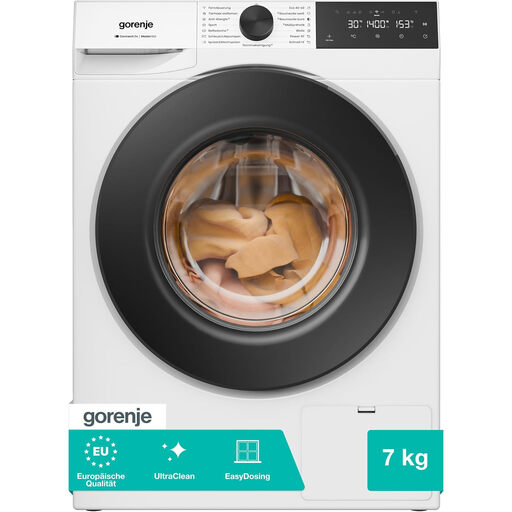 No image available
May suit households looking to wash other laundry as well as socks in a household washing machine. Compare the capacity with the loads you usually wash.
7 kg; 1400 U/min; 15 programmes and a steam function. Cotton and quick programmes are also listed.
Check the programme descriptions and load limits before choosing this machine for frequent small loads of socks.
No, not as a rule. The German Environment Agency says lower temperatures are often enough for normally soiled laundry and that high washing temperatures are generally not needed to remove dirt and stains. Follow the care label and take the level of soiling into account. If there are specific health risks, seek individual advice.
No. The stated consumption figures are based on Eco 40–60 and do not automatically reflect the actual consumption of another programme. If you regularly use a quick or cotton programme, check the relevant model data.
Follow the instructions for the model you have bought on removing the transit bolts, connecting the appliance to the electricity and water supplies, and levelling it. Before ordering, also check that the route into the room, connections and space to open the door are all suitable.
To help prevent germs from building up in the washing machine, the German Environment Agency recommends running a 60 °C cycle once a month with powdered universal detergent. This is advice on caring for your machine, not a recommendation to wash all your socks at 60 °C.