What should you look for?
Start by working out what you typically wash together and checking the care labels on your tablecloths. Then compare suitable programmes, installation dimensions and running costs. The Verbraucherzentrale and the Umweltbundesamt recommend considering capacity and usage together.
| What matters |
What to look for when buying |
Who is it important to? |
| Stains and cotton programmes |
Check the manual for cotton and, where available, stain programmes. According to the European Commission, Eco 40–60 is intended for normally soiled cotton that can be washed at 40 or 60 °C according to its care label. |
If food or drink stains are a regular issue, I’d prioritise a suitable cotton programme over a marketing promise. Around 33% of consumers may put stain treatment first. |
| Capacity for shared loads |
Consider your typical shared laundry load and your largest tablecloth. Check the dimensions and the permitted load for the programme you plan to use on the specific model. |
If you regularly wash tablecloths with other suitable laundry, you need a drum that suits those loads without taking up more space than necessary. Around 27% of consumers may prioritise load size. |
| Spin noise and water protection |
Compare spin noise in dB(A) and the noise emission class. Check the type of water protection and the connection requirements for the specific model. |
If the machine is near shared spaces, I want to be able to assess its spin noise and check the water protection for our shared connection. Around 20% of consumers may put noise and water protection first. |
| Running costs and ease of use |
Compare kWh per 100 Eco 40–60 cycles and litres per cycle on the same basis. Also consider programme duration and how much you expect to use the machine. |
When several people use the machine, I need clear consumption figures and a choice of programmes that works for a shared-house routine. Around 20% of consumers may prioritise running costs and shared use. |
Washing machines for shared laundry loads
The Joybuy products below are washing machines with stated capacities ranging from 8 to 13 kg. The key is to choose a drum size that suits your actual shared loads, tablecloths and available space.
 No image available
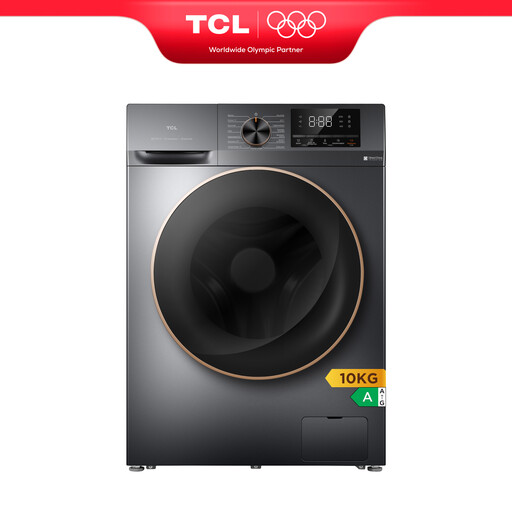
TCL FP2210SA0AMDE, washing machine, 10 kg
The stated capacity may suit regular, larger shared loads. Check that it matches your usual load size and available space.
10 kg; Smart-DD motor; Steam Wash; 15-minute quick wash; child lock; delayed end time.
View at Joybuy
 No image available
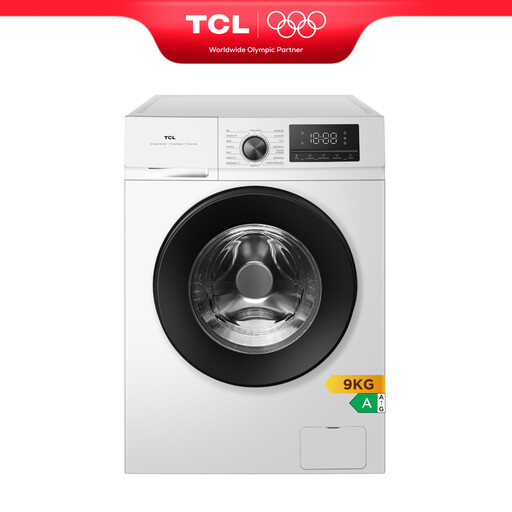
TCL FF0109WA2AMDE, washing machine, 9 kg
The 9 kg capacity may be worth considering if you regularly put shared loads together. Also check the maximum load for the programme you intend to use.
9 kg; BLDC motor; Steam Wash; 15-minute quick wash; child lock; Honeycomb drum.
View at Joybuy
 No image available
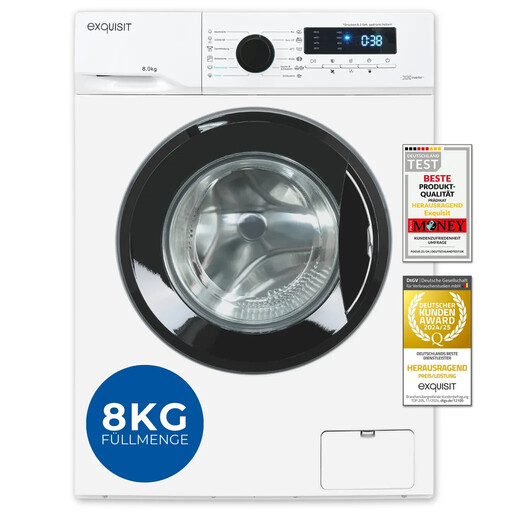
Exquisit WA58014-020A, washing machine, 8 kg
An 8 kg option for house shares expecting regular, but not exceptionally large, loads. Check which programmes suit your tablecloths and what the product documentation says about water protection.
8 kg; energy efficiency class A; maximum 1,400 rpm; 13 programmes; delay start; child lock.
View at Joybuy
 No image available
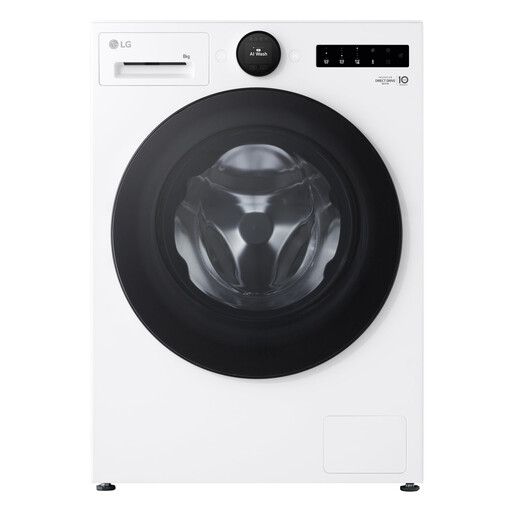
LG F4WX808YC, front-loading washing machine, 8 kg
The stated capacity may suit regular house-share loads that aren’t exceptionally large. Before buying, check which cotton programme is suitable for the care labels on your tablecloths.
8 kg; 1,350 rpm; AI DD; TurboWash 360; Steam; Inverter Direct Drive.
View at Joybuy
 No image available
LG F4WR5035, front-loading washing machine, 13 kg
This high stated capacity is worth considering if your household often has large shared loads. Compare it with your usual load size and available space.
13 kg; 1,360 rpm.
View at Joybuy
Frequently asked questions
Does a cotton tablecloth always need to be washed at 60 °C?
No. The care label and how soiled it is are what matter. The European Commission describes Eco 40–60 as a programme for normally soiled cotton that can be washed at 40 or 60 °C according to its care label. The Umweltbundesamt says high temperatures are often unnecessary in a typical home; specific hygiene requirements should be considered separately.
How can our household use and care for the machine efficiently?
Agree on suitable shared loads without exceeding the maximum load for the programme you’re using. Dose detergent according to how soiled the laundry is and your water hardness. The Umweltbundesamt also recommends running a 60 °C wash occasionally to prevent germs from building up in the machine.
What should we check before delivery and installation?
Check the available space, door access, water connection, drain and installation instructions for the specific model. Ask the retailer separately whether delivery to the installation location, connection, disconnection and collection of your old appliance are included or available as additional services.
What should we know about the energy label and taking away an old washing machine?
The EU energy label must be visible in online sales for washing machines that require one; the EU scale runs from A to G. stiftung ear explains that retailers with a take-back obligation must accept an old appliance free of charge on a like-for-like basis in certain circumstances. Ask the retailer how collection will be arranged as part of your order.
Is a manufacturer’s guarantee the same as statutory consumer rights?
No. For a consumer purchase, statutory rights are against the seller; a manufacturer’s guarantee is an additional voluntary promise with its own terms and conditions. The Verbraucherzentrale also notes that additional repair rights for products including washing machines have applied since 31 July 2026. The specific rights you may have depend on the purchase and the fault.


