Measure the alcove, including connections and the space needed to open the machine. If width is limited, a top-loading machine may fit; if depth is the issue, consider a slimline front-loader. For cotton underwear, check the care label, load size and available programmes. A washer-dryer is worth considering mainly if you have no suitable space for drying clothes, as well as no room for a second appliance. According to the consumer advice centre, washer-dryers use more electricity and water than separate appliances.
Which solution suits you?
If you have a tight space for your appliance
Check width and depth separately, and allow for connections and enough room to open the lid or door. The North Rhine-Westphalia Consumer Advice Centre lists appliance type and installation dimensions among the key buying considerations.
If you have a small household and wash underwear regularly
Choosing a suitable drum size and a cotton programme helps you match the machine to your laundry load. For hygiene reasons, the German Environment Agency recommends washing underwear at 40 or 60 °C. The consumer advice centre also recommends choosing a machine size that suits your household.
If you don’t have a suitable place to dry clothes
If drying clothes at home is difficult as well as washing them, you could consider a washer-dryer. According to the consumer advice centre, washer-dryers use more electricity and water than a separate washing machine and tumble dryer.
What to consider when buying
Slimline top-loader
Suitable if: Width is the main constraint and the lid can open upwards.
Consider: A documented 6 kg Bauknecht model measures 40 × 60 × 90 cm, so a narrow width does not automatically mean a shallow appliance.
Shallow front-loader
Suitable if: There’s enough width for a front-loader, but depth is limited and there’s room in front for the door to open.
Consider: AEG lists a depth of 416 mm and a rated capacity of 6 kg for the LSR6FA70269. Allow extra space for hoses and the open door when planning your installation.
Standard-depth front-loader
Suitable if: There’s enough floor space and room for the door to swing open, and you can wash cotton items with other suitable laundry.
Consider: According to the manufacturer, the Bosch WGE02471 measures 848 × 598 × 588 mm and has a 7 kg capacity. A larger capacity does not automatically make small loads more economical.
Washer-dryer
Suitable if: There’s no suitable space for a separate clothes airer or tumble dryer, and you need to dry clothes in the machine.
Consider: The consumer advice centre points out that washer-dryers use more electricity and water than separate appliances. The manufacturer lists an 8 kg washing capacity and a 6 kg drying capacity for the Bauknecht WATK Sense 86 DC.
| Buying consideration |
What to check before buying |
Who it matters most to |
| Space and appliance type |
Measure the alcove, connections and the space needed to open the lid or door, using the installation plan. |
If my alcove is tight, I measure width and depth separately and check that the appliance can actually be opened. Around 36% of consumers say available space is their main concern. |
| Cotton laundry and programmes |
Check the care label, the cotton programmes available and the suitable temperatures. |
If I wash cotton underwear regularly, I want to choose a suitable programme without assuming that a boil wash is always needed. Around 29% of consumers prioritise underwear care. |
| Small loads and energy use |
Choose a drum capacity that suits your usual laundry load and compare label figures on the same programme basis. |
If I often have only a small amount of washing, I compare the capacity with the stated consumption figures. Around 21% of consumers focus mainly on small loads and running costs. |
| Spin noise |
Check the spin noise level in dB(A) and the noise emission class on the EU label for the specific model. |
If the machine is near a living room or bedroom, spin noise is an important factor for me. Around 14% of consumers say noise is their main concern. |
Common misconceptions
-
Measuring only the stated appliance width
A top-loader needs room for its lid to open. With a front-loader, the door, hoses and connections all need to fit into your installation plans.
Measure the alcove and opening space before ordering, and check the installation plan for the specific model.
-
Assuming Eco 40–60 is a general hygiene programme
The European Commission describes Eco 40–60 as a programme for normally soiled cotton laundry that is labelled as washable at 40 °C or 60 °C. The programme name alone doesn’t tell you what treatment is needed for every household.
Follow the care label and take the level of soiling into account. If you have specific health-related requirements, seek individual professional advice.
-
Assuming a washer-dryer is automatically the most space-efficient option
Washing and drying capacities can differ. The consumer advice centre says washer-dryers use more electricity and water than separate appliances.
First check whether you lack a suitable place to dry clothes, then compare both capacities and the relevant label figures.
-
Comparing old A+++ ratings with the current energy label
The German Environment Agency notes that, since 1 March 2021, washing machines and washer-dryers have been rated on the EU scale from A to G.
Compare the current EU label and its consumption figures for the specific models you’re considering.
Brands to help you choose
AEG
Documented options for smaller spaces include a shallow front-loader and a top-loader. The manufacturer’s specifications apply to the individual models, not the entire range.
- The manufacturer lists a depth of 416 mm and a 6 kg capacity for the LSR6FA70269; the LTR6TL601EX is a 6 kg top-loader.
- The appliance’s depth is not the same as the total space required. Check the connections and opening space for the specific model.
Bauknecht
Documented models include a slimline top-loader and a washer-dryer with different washing and drying capacities.
- According to the manufacturer, the WMT Evo 6B is 40 cm wide and has a 6 kg capacity.
- The manufacturer lists an 8 kg washing capacity and a 6 kg drying capacity for the WATK Sense 86 DC. Dimensions and consumption figures apply to the specific model only.
Bosch
The Serie 2 front-loader WGE02471 is an option if a standard-width, deeper appliance fits your space.
- Bosch lists a 7 kg capacity, dimensions of 848 × 598 × 588 mm and load detection.
- These specifications do not prove that it needs little space or that it will use a particular amount of energy for a small load of underwear.
Joybuy product selection
The Joybuy appliances below include front-loaders with a shallow depth and slimline top-loaders. Check the dimensions, the space needed to open the appliance and the programmes listed for your household.
 No image available
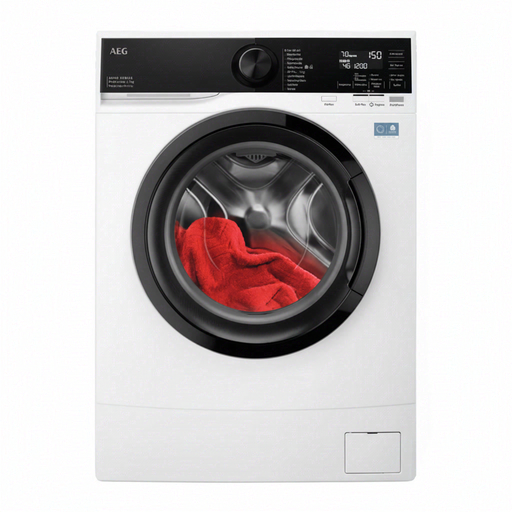
AEG LSR6FA75470 Series 6000 Slim washing machine, 7 kg
Programmes include a cotton cycle and a 20-minute cycle for 3 kg loads, suitable for cotton laundry and smaller loads.
7 kg; 595 mm wide and 487 mm deep; 1400 rpm; energy class A.
View at Joybuy
 No image available
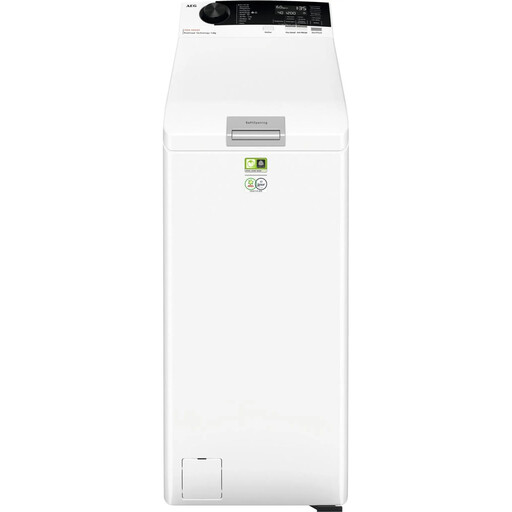
AEG 7000 ProSteam LTR7A70260 top-loading washing machine, 6 kg
Programmes for cotton laundry include Cotton and Eco 40–60.
6 kg; 400 mm wide. As a top-loader, it needs clear space above the lid.
View at Joybuy
 No image available
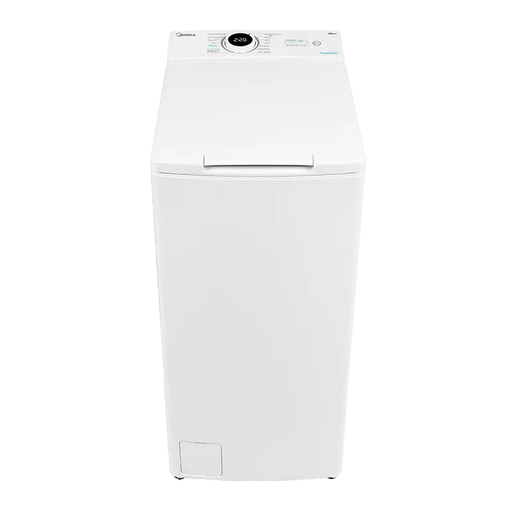
Midea MF10ET70BA10 top-loading washing machine, 7 kg
Programmes for cotton laundry include Cotton cycles with selectable temperatures of 20, 40 and 60 °C.
7 kg; 875 × 400 × 610 mm; 1200 rpm. The product listing states 40 kWh per 100 cycles; check the programme and label basis before making comparisons.
View at Joybuy
 No image available
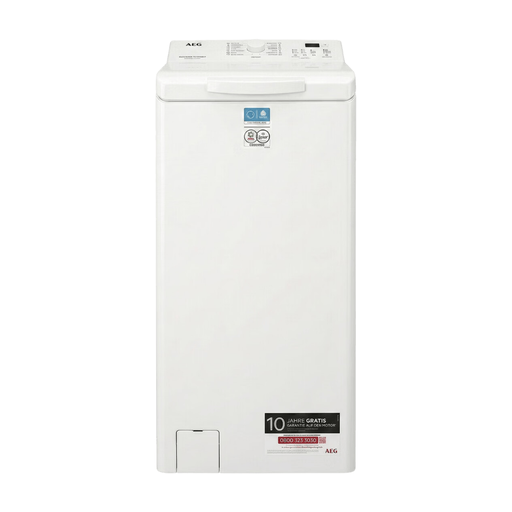
AEG LTR6A41460 top-loading washing machine, 6 kg
Programmes for cotton laundry include Cotton and Eco 40–60.
6 kg; 903 × 397 × 599 mm; energy class A. As a top-loader, it needs enough clear space above the lid.
View at Joybuy
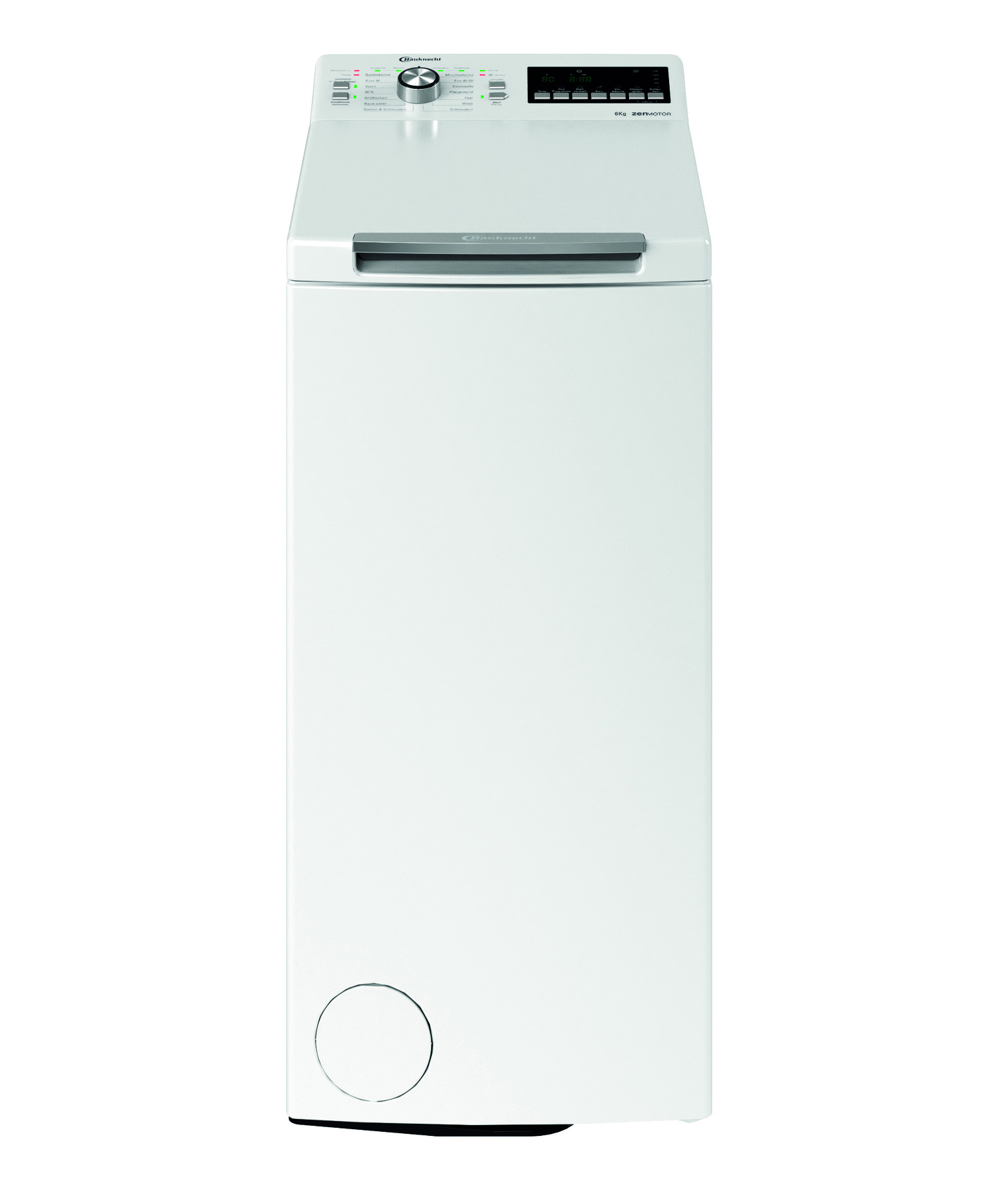 No image available
Bauknecht WMT Star 6ZB top-loading washing machine, 6 kg
A Cotton programme is listed; the top-loader needs space above the lid to open.
6 kg; 40 × 60 × 90 cm; 1200 rpm; 72 dB(A) during spin; energy class B.
View at Joybuy
Frequently asked questions
Do I always need a boil wash or laundry sanitiser for cotton underwear?
No, not as a rule. For hygiene reasons, the German Environment Agency recommends washing underwear at 40 or 60 °C. It says additional laundry disinfection isn’t necessary for healthy household members and normally soiled laundry. Different measures may be appropriate in cases of infectious illness or a weakened immune system. Always follow the care label, too.
Does Eco 40–60 mean the machine actually washes at 60 °C?
You can’t tell from the programme name alone. The European Commission describes Eco 40–60 as a programme for normally soiled cotton laundry that is labelled as washable at 40 °C or 60 °C. If a particular treatment is needed, check the programme instructions and care label.
Which figures can help me compare running costs?
Compare the electricity consumption in kWh per 100 Eco cycles and the water consumption per Eco cycle on the EU energy label. For washer-dryers, check the figures for washing alone and washing with drying separately. Your actual costs will also depend on how you use the appliance and your tariffs. The consumer advice centre recommends comparing label figures on a like-for-like basis.
How can I keep my machine clean if I mostly wash at low temperatures?
Along with loading the machine correctly and measuring detergent carefully, the German Environment Agency recommends occasional 60 °C washes to prevent germs from building up in the machine. Make sure your textiles can be washed at this temperature and follow the appliance instructions.
What should I check before installing a machine in a rented flat?
Check the connections, ensure there’s a safe way for water to drain away, and make sure there’s enough room for the appliance and its door or lid to open. The consumer advice centre recommends discussing the installation with your landlord and making sure you have protection against water damage.


