Families with delicate summer dresses
If you wash dresses with different care labels alongside everyday laundry, check that the machine has suitable temperature and gentle-cycle settings. Also check the load limit for each programme.


First, choose a machine with temperature and gentle-cycle settings that suit your dresses’ care labels. Then match the drum capacity and design to the rest of your family’s laundry and the space available. The EU label’s Eco 40–60 figures are not consumption figures for delicate programmes.
If you wash dresses with different care labels alongside everyday laundry, check that the machine has suitable temperature and gentle-cycle settings. Also check the load limit for each programme.
The stated capacity should suit your family’s usual laundry loads. Smaller loads of delicates still need to stay within the limits for the programme you choose.
First, check which design will fit, including the space needed to open the door or lid. A front-loading machine needs clearance in front of the door, while a top-loader needs space above the lid. The North Rhine-Westphalia consumer advice centre includes these space requirements in its buying checklist.
| Priority | What to check when buying | Who it matters to |
|---|---|---|
| Washing dresses in line with their care labels | Check that the care labels are compatible with the specific model’s temperature settings, gentle programme and spin settings. Check the manual for the permitted load size for each programme. | If I want to wash each summer dress according to its care label, a suitable gentle programme matters more than filling the drum. Around 36% of consumers put clothing care first. |
| Family laundry and smaller loads | Choose a stated capacity that suits your usual laundry volume, and also check the load limit for the gentle programme. The consumer advice centre excludes delicates from its recommendation to fill the machine. | I want a machine that can handle regular everyday loads for my family, while letting me wash dresses separately in smaller loads. Around 29% of consumers prioritise family-sized capacity. |
| Consumption figures | Compare kWh per 100 Eco cycles and litres per Eco cycle on the same Eco 40–60 basis. Don’t apply these figures to dress programmes. The European Commission explains the measurement basis for the Eco 40–60 programme. | If I do laundry regularly, I want to be able to compare consumption figures like for like. Around 21% of consumers put running costs first. |
| Design and available space | Check the appliance dimensions, including clearance for the door or lid, as well as the connections. The North Rhine-Westphalia consumer advice centre highlights the different opening clearances needed for front- and top-loaders. | With limited space, I first need to check whether the door or lid can open. Around 14% of consumers prioritise a suitable design. |
The maximum drum capacity doesn’t necessarily apply to a gentle programme. The consumer advice centre recommends not loading delicates as full as a normal wash.
Check the manual for the permitted load size for the specific programme. A load that’s too large for delicates may mean you need to run extra washes.
The electricity and water figures relate to Eco 40–60; they don’t show the consumption of a chosen delicate programme. The European Commission explains the conditions for this programme.
Only compare label figures on the same programme basis, and choose a wash programme according to the care label first.
According to the consumer advice centre, the load that can be dried straight after washing is smaller than the wash load. Washer-dryers also use more electricity and water than separate appliances. Some dresses can’t be tumble-dried.
Check whether you really need machine drying, and follow the tumble-drying symbol and drying capacity for each dress.
Clearance for the door or lid, connections, and available delivery or installation services can all affect whether you’ll be able to use the appliance in the space you have planned.
Before ordering, check the dimensions, opening clearance and connections, as well as which delivery and installation services are included.
The Bosch Series 4 range includes the WAN28272 front-loader, with a stated capacity of 8 kg.
For the German-market 6000 ProSense front-loader LR6F6548EK, AEG lists a stated capacity of 8 kg, load adjustment and an Easy Iron option.
Siemens lists a stated capacity of 9 kg and aquaStop for the iQ500 front-loader WG44G2Z90.
According to the manufacturer, the Miele W1 WEB365 WPS PWash&8kg has a stated capacity of 8 kg and a dedicated delicates programme.
Beko lists an 8 kg capacity, a GentleCare programme and a short programme for smaller loads for the B5WFU58418W front-loader.
This selection includes washing machines for washing dresses according to their care labels and handling the rest of the family laundry. It features front- and top-loaders with a range of stated capacities.
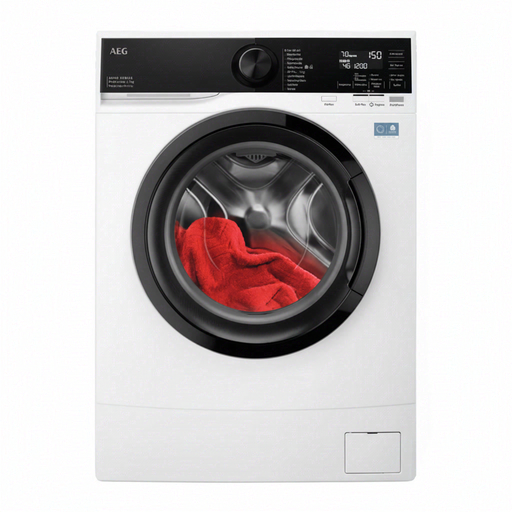 No image available
An option for households looking for a machine with a dedicated Delicate/Silk programme.
Features include a stated capacity of 7 kg, ProSense load sensing, and adjustable temperature and spin speed.
 No image available
Its stated capacity may suit households that regularly wash larger loads.
Listed features include a Delicates programme, adjustable temperature and spin speed, and LoadSense. Check the permitted load for the Delicates programme.
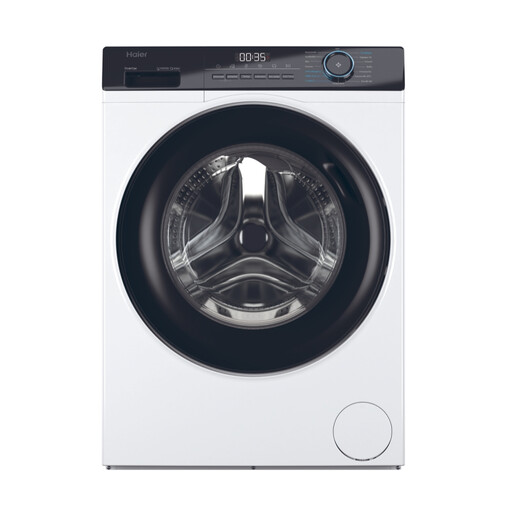 No image available
A front-loader option for families who need to handle larger amounts of laundry as well as smaller loads of dresses.
Listed features include a stated capacity of 9 kg, Delicates and Wool programmes, manual temperature and spin settings, and automatic load sensing.
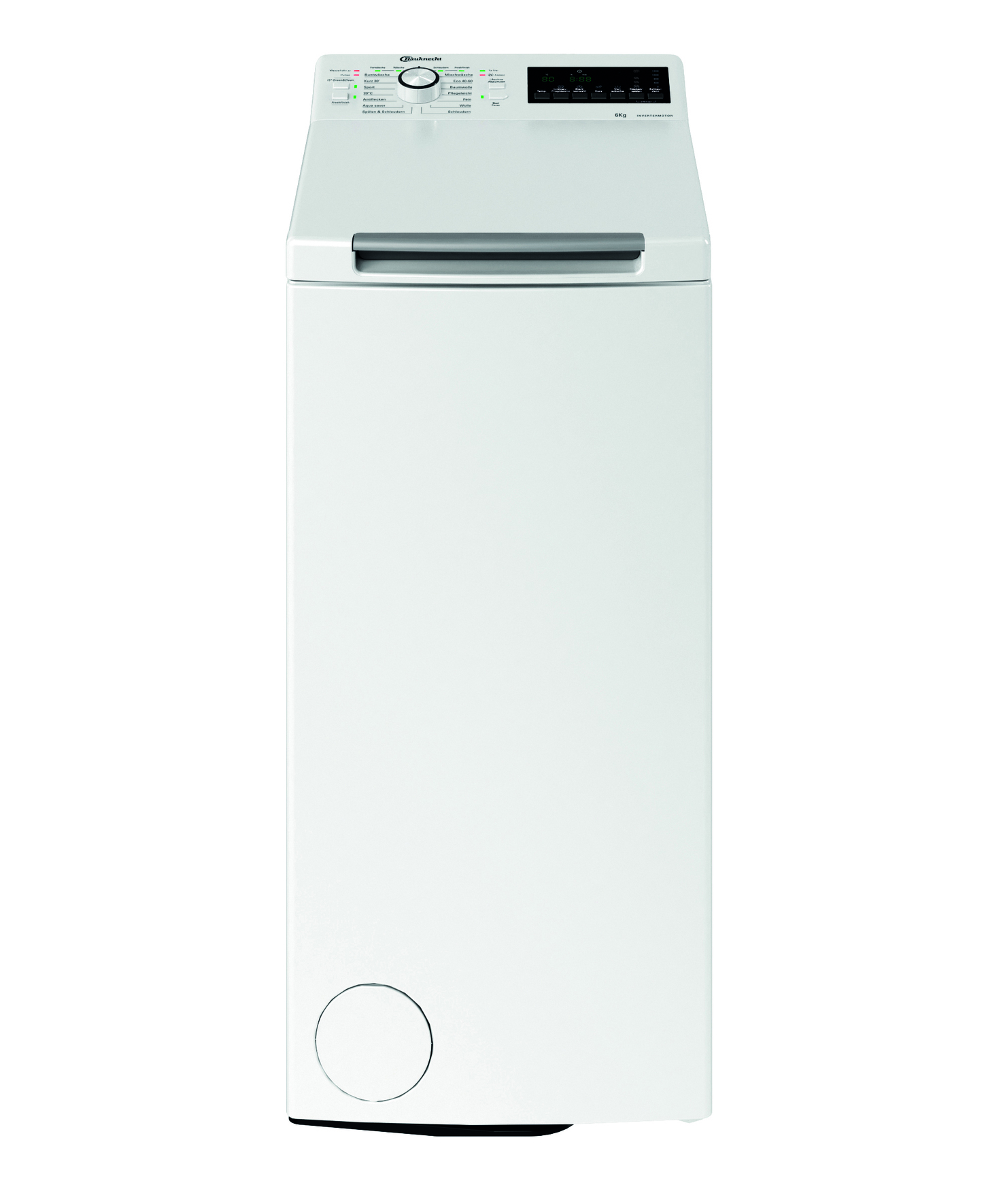 No image available
A top-loader may be worth considering if its design suits your space and there’s enough clearance above the appliance to open the lid.
Features include a stated capacity of 6 kg and a 20 °C anti-stain programme. Choose this programme for dresses only if it’s suitable for their care labels.
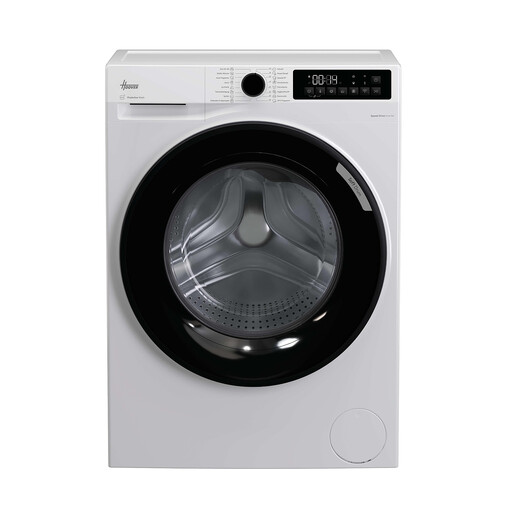 No image available
The stated capacity of 9 kg is designed for households that regularly need to handle larger amounts of laundry.
The description lists 16 programmes, AquaStop and a spin speed of up to 1400 rpm. Before washing delicate dresses, check that the programme settings are suitable and stay within the load limit.
No. The number in the wash tub symbol indicates the maximum recommended temperature; additional bars indicate gentler treatment. Choose a programme based on the individual care label and the washing machine’s instructions.
Not just because of the label figures. The European Commission describes Eco 40–60 as being for normally soiled cotton items marked as suitable for the programme. For a dress that needs a gentler wash, follow its care label.
Follow the load limit for the specific appliance and don’t load delicates up to the stated capacity as you would with normal laundry. The consumer advice centre also recommends dosing detergent according to the amount of laundry, how soiled it is and the local water hardness.
Compare the EU label figures on the same Eco 40–60 basis: energy consumption per 100 cycles and water consumption per cycle. These figures aren’t measurements for a delicates programme.