Households with delicate summer dresses
You want to care for machine-washable dresses gently, so you need suitable cycles and the option to wash smaller loads.


Choose a model with a suitable delicate or gentle cycle for your machine-washable summer dresses, and a cycle that’s right for the material of your outdoor clothing. Don’t automatically wash heavily soiled outer layers in the same load as delicate dresses. Also compare the load limits for individual cycles, and remember that the EU energy label shows consumption for Eco 40–60, not for every cycle across the board.
You want to care for machine-washable dresses gently, so you need suitable cycles and the option to wash smaller loads.
You regularly have soiled outer layers to wash. Caring for the material and treating it beforehand will affect which cycle is suitable.
You often wash dresses and outdoor clothing separately, and want to choose the drum capacity and running costs to suit your usual loads.
Start by checking the care labels and suitable cycles before comparing drum size or extra features. The German Environment Agency recommends a much smaller load for delicates than for regular washing; you should also follow the instructions for the specific cycle.
| Priority | What to check before buying | Who is this important for? |
|---|---|---|
| Washing summer dresses gently | Check the delicate or gentle cycle and adjustable spin speed, and make sure the cycle’s load limit is suitable for the care labels. | If I want to care for more delicate, machine-washable dresses, I need a suitable cycle and enough flexibility for smaller loads. Around 36% of consumers prioritise gentle care for dresses. |
| Cleaning muddy outer layers | Check that the outdoor or sports cycle is suitable for the material; brush off dried mud before washing. | If I regularly wash soiled outdoor clothing, I want to choose a cycle and pre-treatment to suit each material. Around 29% of consumers put cleaning muddy outer layers first. |
| Energy use across separate loads | Compare capacity and how you’ll actually use the machine; don’t assume the Eco 40–60 label figures apply to other cycles. | If I have several separate loads to wash, I want to compare energy use on a like-for-like basis and choose a drum size that suits my usual washing loads. Around 21% of consumers prioritise this cost concern. |
| Installation and water protection | Check the appliance dimensions, door opening, connections and any built-in water protection features. | If space is limited or the connection is difficult, I want to be sure the appliance can be installed and connected before I buy. Around 14% of consumers prioritise installation and water protection. |
The maximum drum capacity doesn’t automatically apply to delicates. A smaller load may mean you need to run extra cycles.
Before buying, check the load limits for the cycles you expect to use regularly.
If you need to wash delicates in smaller loads, your washing may have to be split across extra cycles.
Having such a cycle doesn’t prove that every mud stain can be removed or that the cycle is suitable for delicate summer dresses.
Let the mud dry first, then brush it off gently. Choose the cycle and pre-treatment according to the care label and material.
The EU energy label is based on Eco 40–60. According to the German Environment Agency, quick cycles save time, but they don’t automatically save energy.
Compare label figures on a like-for-like basis, and check the details for specialist cycles if you use them regularly.
Extra features don’t replace checking the installation space or confirming what’s included in delivery and connection services.
Measure the available space and check the appliance dimensions, connection options and any installation or service work on offer before ordering. Also distinguish between your statutory rights and any voluntary guarantee.
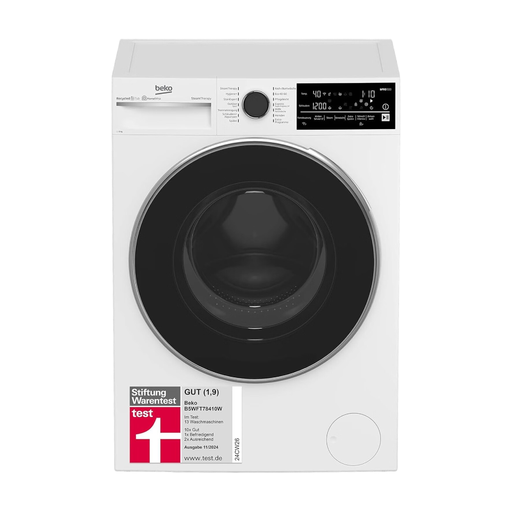
The B5WFT78410W is an 8 kg front-loading washing machine with Outdoor/Sports and StainExpert cycles.
The Siemens WM14N271 iQ300 is an 8 kg front-loading washing machine with a dedicated Outdoor cycle.
The Bosch WAN28271 Serie 4 is an 8 kg front-loading washing machine with AquaStop.
The AEG LR8FG75490 from the 8000 PowerCare range is a front-loading washing machine with a rated capacity of 9 kg.
The Miele WWB360 WCS PWash&8kg is an 8 kg front-loading washing machine with QuickPowerWash and CapDosing.
The Joybuy models below include washing machines in different styles, as well as a washer-dryer. Compare their listed cycles, capacities and features with your laundry care labels and the conditions where the appliance will be installed.
 No image available
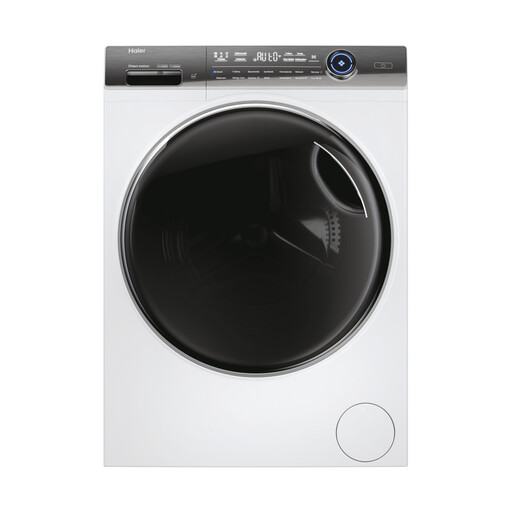
The product details list cycles for delicates and sportswear; check that they’re suitable for the care labels on your clothes.
13 kg rated capacity; 1,360 rpm; selectable spin speeds; AquaLock water protection.
The product description names the cycles “Delicates” and “Sportswear”.
 No image available
The product title mentions a feature for treating six types of stain. This isn’t a guarantee that every mud stain will be removed.
8 kg rated capacity; 1,400 rpm; AutoDose; Direct Drive.
 No image available
A washer-dryer could be worth considering if you want an integrated tumble-drying function as well as a washing machine.
9 kg washing capacity and 6 kg drying capacity; 1,400 rpm; add-wash feature; leak protection.
Washing and drying capacities differ, so check that both suit your usual loads.
 No image available
The model lists Outdoor/Sports and StainExpert cycles. For each garment, check whether the material and care label allow you to use the cycle.
8 kg rated capacity; 1,400 rpm; SteamCure.
The cycles don’t prove that every mud stain will be removed. Pre-treatment and the care label still matter.
 No image available
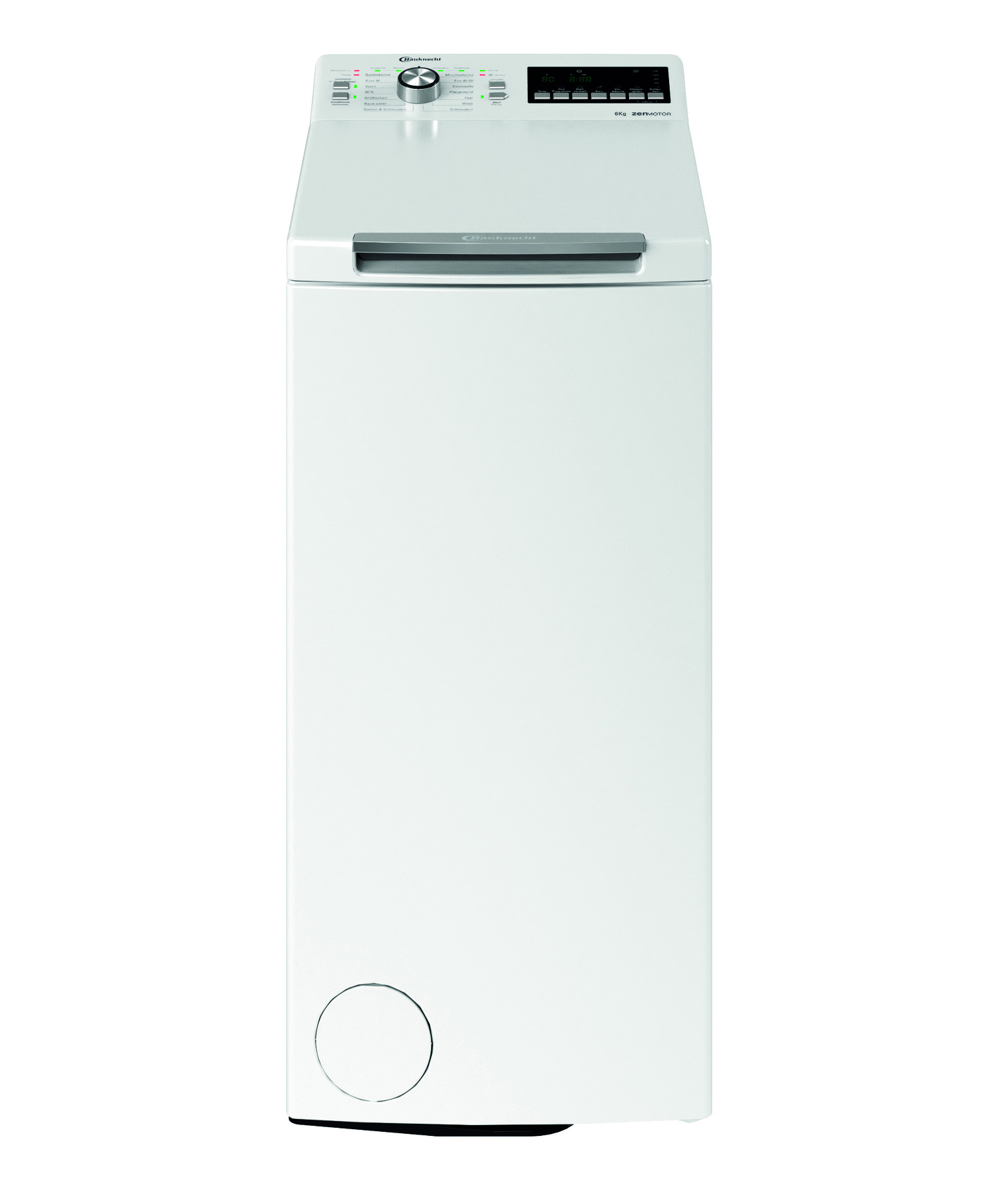
The product description lists an anti-stain cycle for this top-loading model. Whether it’s suitable for a particular item depends on the material and care label.
6 kg rated capacity; 1,200 rpm.
The cycle doesn’t prove that every mud stain can be removed.
Not simply because both are machine-washable. Sort items by care label, material, colour and how dirty they are. Let the mud dry first, then brush it off gently. Delicate dresses may need their own smaller load on a delicate cycle.
The German Environment Agency recommends using a quarter of the maximum load for delicates. Also follow the load limit for the specific cycle and the care label.
No. According to the German Environment Agency, quick cycles save time, but they don’t automatically save energy. The EU label’s consumption figures are based on Eco 40–60 and don’t show the consumption of a delicate or outdoor cycle.
The EU label uses a scale from A to G for household washing machines. The European Commission lists, among other things, energy consumption per 100 Eco 40–60 cycles and water consumption per Eco cycle. These figures can’t be applied across the board to other cycles.