
Lieferung heute & morgen

Qualitätsgarantie

Willkommens-Angebote freischalten: KOSTENLOSE Lieferung | Bis zu 80 % RABATT | Kostenlose 30-Tage-JoyPlus-Testphase
App herunterladen
Purchasing new major home appliances like washing machines and dryers is a significant investment. However, the market is filled with marketing promises and technical specs that often create more confusion than clarity. Many buyers invest in features they never use or choose an appliance that doesn't fit their lifestyle. This guide will help you navigate the most common pitfalls and make an informed decision.
Before you start your search, it's important to know the most common marketing traps that can lead to poor purchasing decisions.
To find the right appliance, focus on three objective core criteria that determine long-term value and operating costs.
Energy consumption is one of the most important factors for running costs. For dryers, the heat pump dryer has become the standard for efficiency. It dries laundry at lower temperatures, which not only saves energy but is also gentle on delicate fabrics.
The right drum size is crucial for efficient use.
The noise level of an appliance is a key factor, especially in open-plan kitchens or when operating at night. Noise emission is specified in decibels (dB).
Here are some recommendations tailored to different needs and household types.
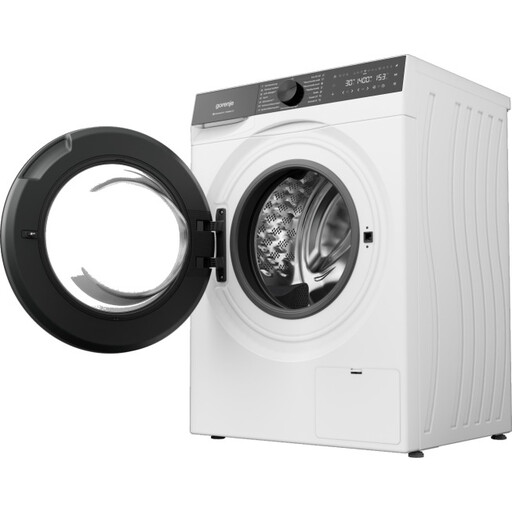
Why This Fits Their Persona: This washer-dryer from Gorenje is a 2-in-1 solution that saves valuable space in smaller apartments. With fast programmes that, according to the manufacturer, can wash and dry a full load in 68 minutes, it's a perfect fit for a busy lifestyle.
It solves the load capacity issue by combining two appliances into one without compromising on washing capacity (9 kg). The Wi-Fi control is a practical feature here, allowing you to schedule the wash cycle on the go.
Combined wash and dry function saves space. The steam function (StainExpert) and fast programmes offer real-world value for daily use.
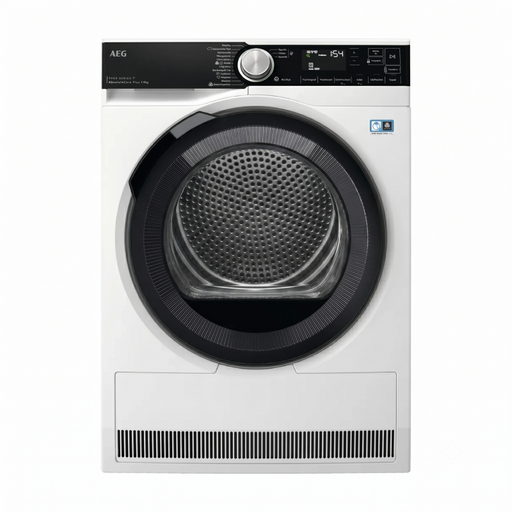
Why This Fits Their Persona: With its large 9 kg load capacity and very high energy efficiency, this AEG dryer is ideal for families who dry a lot of laundry and want to keep operating costs low. The Hygiene programme is an added benefit for households with children or allergy sufferers.
This model is a prime example of an energy-efficient appliance. Instead of relying on a letter grade, its low annual energy consumption of 195 kWh demonstrates that it's an economical choice. The large capacity is justified and efficient for a family.
Very energy-efficient thanks to heat pump technology. The 3D-Scan technology (AbsoluteCarePlus) ensures even drying for thicker items and is gentle on fabrics.
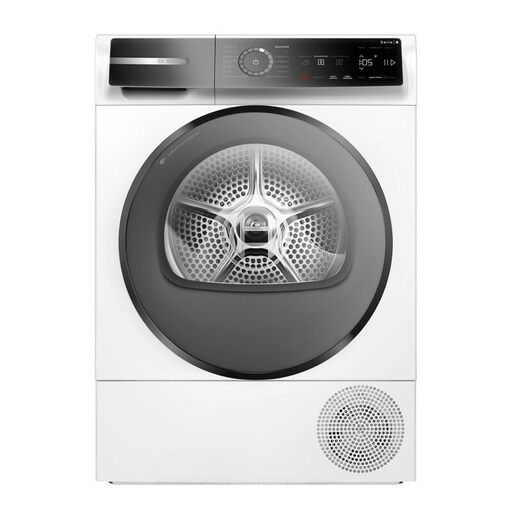
Why This Fits Their Persona: This Bosch dryer is aimed at users who value convenience and smart technology. With Home Connect for app control, a self-cleaning condenser, and extremely quiet operation (59 dB), it offers a high degree of automation and comfort.
Here, the "smart" features are not just a gimmick. SmartDry automatically selects the appropriate drying programme based on the last wash, simplifying and optimising the process. The self-cleaning condenser saves maintenance effort and ensures long-term efficiency.
Very quiet operation (59 dB) and a low-maintenance, self-cleaning condenser. The smart connectivity via Home Connect offers genuine user convenience.
We have compiled a complete, up-to-date list of products that fully meet these strict selection criteria and all relevant safety standards.
Yes, in most cases, the investment is worth it. Although the initial purchase price is often higher than that of conventional condenser dryers, the savings on energy costs are significant. Over the entire lifespan of the appliance, the lower operating costs can more than offset the higher purchase price, especially with frequent use.
The average lifespan of modern washing machines and dryers is around 8 to 12 years. The actual durability heavily depends on the frequency of use and regular maintenance. This includes cleaning the lint filter (after every use for a dryer), cleaning the detergent drawer, and regularly running a cleaning cycle.
The decision depends on your available space and usage habits.