Households with limited space on the airer
If you can hang your duvet covers out to dry but have limited space, consider how much moisture remains after spinning and whether you can ventilate the room.


If you can hang your duvet covers out to dry, drum size and spin performance are important points to compare. Less residual moisture can make drying easier, but it doesn’t replace the need for hanging space or ventilation. If you don’t have a practical place to hang them, a washer-dryer could be an option. In that case, pay particular attention to its drying capacity and the energy and water used by a complete wash-and-dry cycle.
If you can hang your duvet covers out to dry but have limited space, consider how much moisture remains after spinning and whether you can ventilate the room.
A bulky cover needs to fit the drum and suit the wash programme you choose. The stated rated capacity alone doesn’t tell you what load is suitable for every programme.
If you’re considering a washer-dryer, compare its washing and drying capacities separately and check that your duvet-cover load fits within the lower figure.
First, consider whether you can hang the cover out to dry. Then compare the suitable load size and spin performance; if you’re buying a washer-dryer, check the figures for a complete cycle too.
| Concern | What to check when buying | Who is most affected? |
|---|---|---|
| Residual moisture before hanging | Compare the spin-drying efficiency class and available spin speeds; follow the care label when choosing a setting. | If you hang your cover in a small space, how damp it is after spinning matters. Around 36 % of consumers say residual moisture is their main concern when buying. |
| Suitable load size | Consider the rated capacity, the cover and its care label together; check the permitted load for the programme you plan to use. | With large covers, you’ll want to be sure the drum and programme are suitable for the load. Around 29 % of consumers say finding a suitable load size is their main concern when buying. |
| Drying without somewhere to hang washing | Compare washing and drying capacities separately; check the energy and water figures for a complete wash-and-dry cycle. | If you don’t have a suitable place to hang washing, your duvet-cover load needs to fit within the drying capacity. Around 21 % of consumers say drying without somewhere to hang washing is their main concern when buying. |
| Consumption and overall costs | Compare figures for the way you actually plan to use the appliance; for washer-dryers, look at the wash cycle and complete wash-and-dry cycle separately. | If you’re weighing up running costs alongside the purchase price, the consumption figures should match how you plan to use the appliance. Around 14 % of consumers put overall costs first. |
A washer-dryer may have a lower permitted drying load than washing load. That means you may not be able to dry everything you’ve just washed in one go.
Compare both figures in kilograms. If you plan to dry washing in the appliance, size your load according to its drying capacity.
The EU energy label distinguishes between the wash cycle and the complete wash-and-dry cycle for washer-dryers.
Compare the figures for the cycle you actually plan to use.
Even duvet covers that have been spun at a higher speed release moisture into the room as they dry.
Check whether you can hang the cover fully spread out and ventilate the room to remove the moisture. The German Environment Agency recommends airing the room more when drying washing indoors.
For comparison, the front-loading WGG244F40 and washer-dryer WNG24441 are listed with different capacities.
The front-loading WG44G2Z40 is a listed 9 kg option to compare with other washing machines.
The front-loading LR6F65489 and built-in washer-dryer LWR8WI7680 represent different appliance types and space requirements.
The front-loading F4WX809YC is a listed 9 kg alternative to compare with other washing machines.
The front-loading WSD383 WCS PWash&Steam&9kg is a listed 9 kg option to compare.
The following washing machines could be suitable for washing duvet covers before hanging them out to dry. Compare the stated capacity with your load, and for models with a stated spin speed, check the care label too.
 No image available
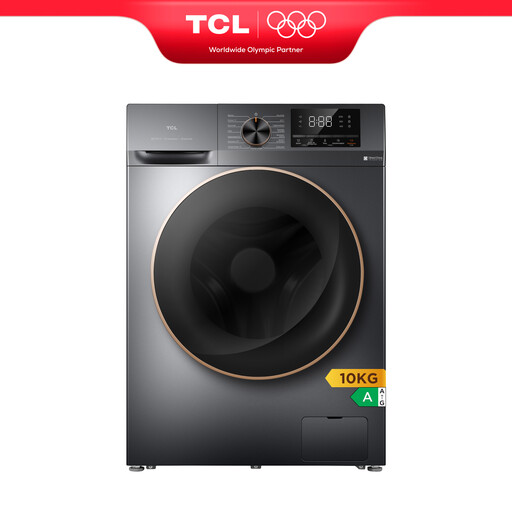
The stated rated capacity helps you check whether your duvet-cover load is suitable for the machine.
10 kg rated capacity; Smart DD motor; steam wash; 15-minute quick wash according to the product name.
 No image available
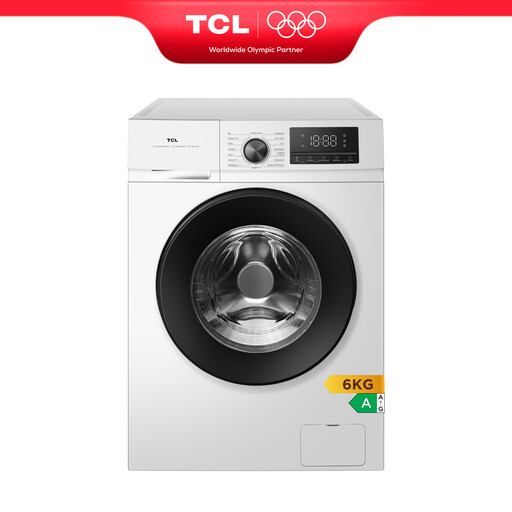
With a rated capacity of 6 kg, check carefully that the cover and any other washing will fit the load you plan to wash.
6 kg rated capacity; BLDC motor; steam wash; honeycomb drum.
 No image available
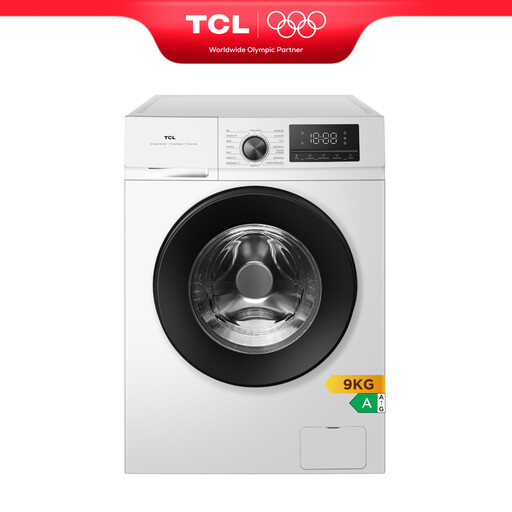
The 9 kg rated capacity gives you a point of comparison for your duvet-cover load; the permitted load for the programme you choose is what matters.
9 kg rated capacity; BLDC motor; steam wash; honeycomb drum.
 No image available
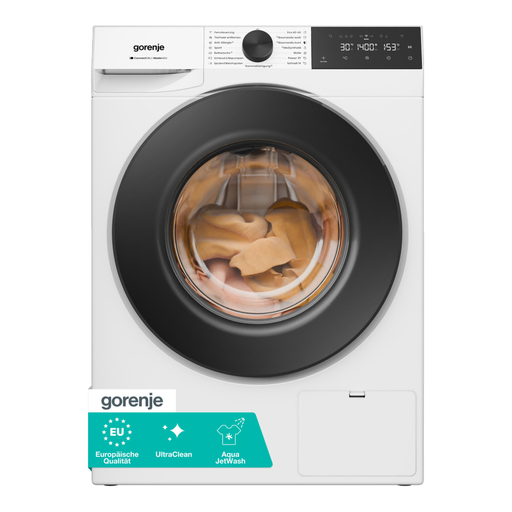
If you plan to use a bedding programme, check its permitted load and make sure it’s suitable for your cover.
8 kg rated capacity; maximum 1.400 U/min; bedding programme; 460 mm depth.
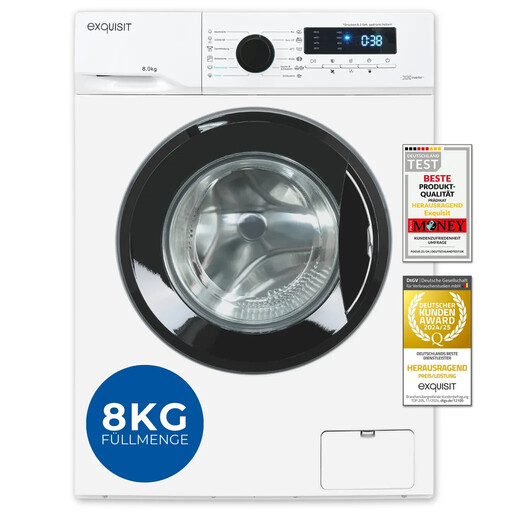 No image available
The 8 kg rated capacity is a useful guide when planning your load. Also check the wash programme’s requirements for your cover.
8 kg rated capacity; maximum 1.400 U/min; 13 programmes.
No. The maximum spin speed doesn’t guarantee a particular drying time. Also compare the spin-drying efficiency class, and choose a setting that suits the care label, the fabric and the space you have for hanging and ventilation.
Not necessarily: the drying capacity may be lower than the washing capacity. Bosch lists 9 kg for washing and 6 kg for washing and drying for the WNG24441; AEG lists 8 kg and 4 kg respectively for the LWR8WI7680.
When drying washing indoors, remember that it adds moisture to the room and make sure you ventilate more. The German Environment Agency recommends using a dedicated drying room or another option outside the home if available.
The EU energy scale from A to G applies to new domestic washing machines and washer-dryers sold in Germany. The European Commission has used this scale since 1 March 2021. For washer-dryers, check the figures for the wash cycle and complete wash-and-dry cycle separately.
Don’t leave wet washing in the drum for long. The Verbraucherzentrale recommends drying the door seal and detergent drawer, leaving the machine open to dry out and cleaning the filter regularly according to the instructions.