What to look for when buying
A front-loading machine with the right capacity
A good fit if: You regularly wash larger, sorted family loads and have space in front of the machine for loading.
Consider: A higher rated capacity isn’t an advantage if the drum is often only partly full. Remember to measure the door swing and the space for the machine, too.
A slimmer top-loading machine
A good fit if: A front-loader won’t fit in the available space and there’s enough room above the machine to open the lid.
Consider: Its narrow design can solve a space problem, but doesn’t tell you anything by itself about capacity or consumption. Compare the figures for the specific model.
Washer-dryer
A good fit if: You also need to tumble-dry clothes and can’t fit a separate dryer.
Consider: The German Environment Agency recommends choosing a washing machine rather than a washer-dryer where possible, as washer-dryers use significantly more energy. Compare washing and drying capacities separately.
The German Environment Agency and the Verbraucherzentrale recommend comparing capacity, space requirements and consumption to suit your own laundry routine. The points below will help you assess models against specific figures and requirements.
| What matters |
What to check when buying |
Who it matters most to |
| The right drum size |
Compare your usual sorted load size with the rated capacity in kg; check the external dimensions and space needed for the door. |
If you regularly have family laundry to wash, the drum should suit your loads without choosing solely by the highest kg figure. Around 33% of consumers say finding the right capacity is their top priority when buying. |
| Electricity and water consumption |
Compare kWh per 100 Eco cycles, litres per Eco cycle and programme duration on a like-for-like basis. |
If you wash frequently, you’ll want to weigh up electricity and water use using comparable Eco figures. Around 27% of consumers put running costs first. |
| Cotton care and programmes |
Check garment care labels, along with the cotton and Eco 40–60 programmes; note the maximum load for each programme. |
If you regularly wash cotton pyjamas, the programme and temperature should suit the care label. Cotton care is the main buying priority for around 20% of consumers. |
| Space and noise |
Compare the width, depth and height, space for connections and the door, and spin noise in dB(A). |
If space is tight or your living area needs to be quiet, the machine’s design and noise level should suit your everyday needs. Around 13% of consumers focus mainly on space requirements or spin noise. |
| Water protection and servicing |
Check the water-protection features, connection requirements, warranty cover and repair service for the specific model. |
If water protection and aftercare matter most to you, check the features and terms for the individual model. Around 7% of consumers put these points first. |
Joybuy models for family laundry
The following Joybuy models include front-loaders for different family load sizes, as well as a slim top-loader for tighter spaces.
 No image available
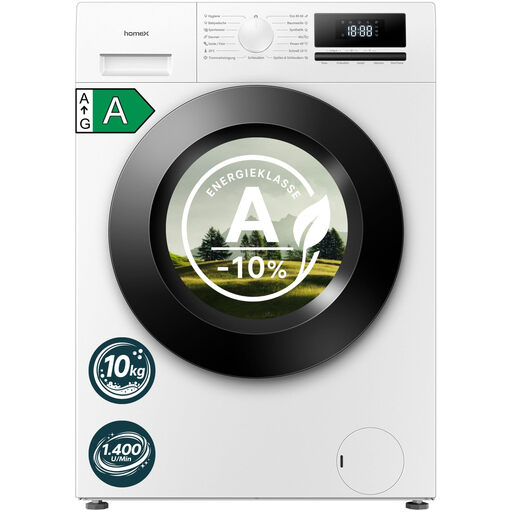
homeX WF1014H1A-W, 10 kg
A cotton programme and Eco 40–60 are listed for regular cotton and family laundry.
10 kg; 46 kWh per 100 cycles; 1,400 rpm; 74 dB; dimensions: 59 × 59.5 × 84.5 cm.
View at Joybuy
 No image available
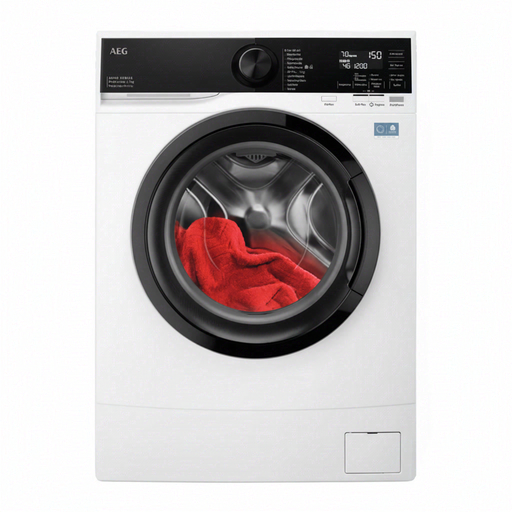
AEG LSR6FA75470, 7 kg
The listed appliance depth of 487 mm could be useful if space is limited; compare the dimensions with your available space.
7 kg; cotton and Eco 40–60 programmes; 45 kWh per 100 cycles; 45 l per cycle; 1,400 rpm; 487 mm deep.
View at Joybuy
 No image available
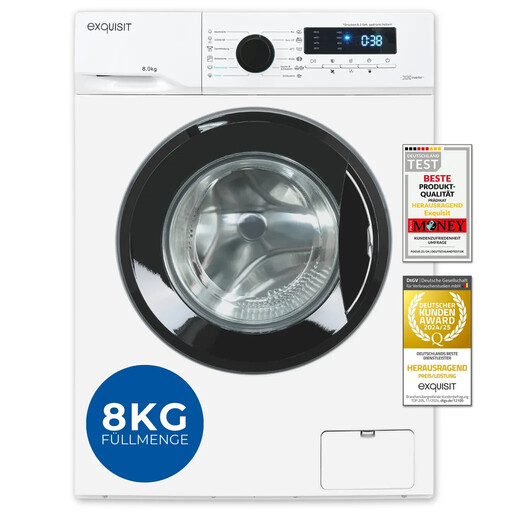
Exquisit WA58014-020A, 8 kg
An 8 kg capacity and a Cotton Care programme are listed for sorted family laundry, including cotton items.
8 kg; Cotton Care and ECO mode; 47 kWh per 100 cycles; 50 l per cycle; 1,400 rpm; dimensions: 84.5 × 59.5 × 52.5 cm.
View at Joybuy
 No image available
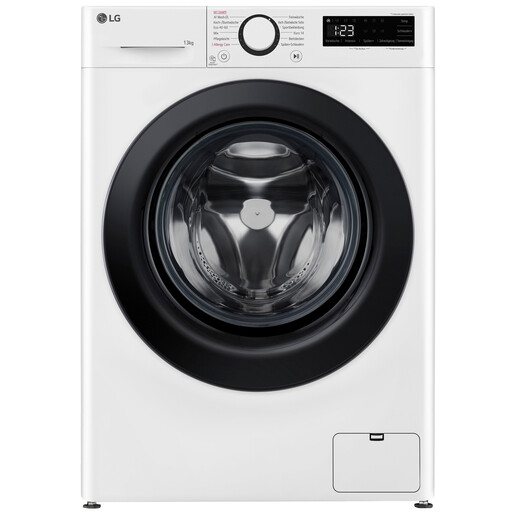
LG F4WR5035, 13 kg
The listed 13 kg capacity is designed for large, sorted laundry loads; check that it suits the loads you wash regularly.
13 kg; cotton and Eco 40–60 programmes; LoadSense; 44 kWh per 100 cycles; 58 l per cycle; 72 dB(A) spin noise; dimensions: 600 × 850 × 615 mm.
View at Joybuy
 No image available
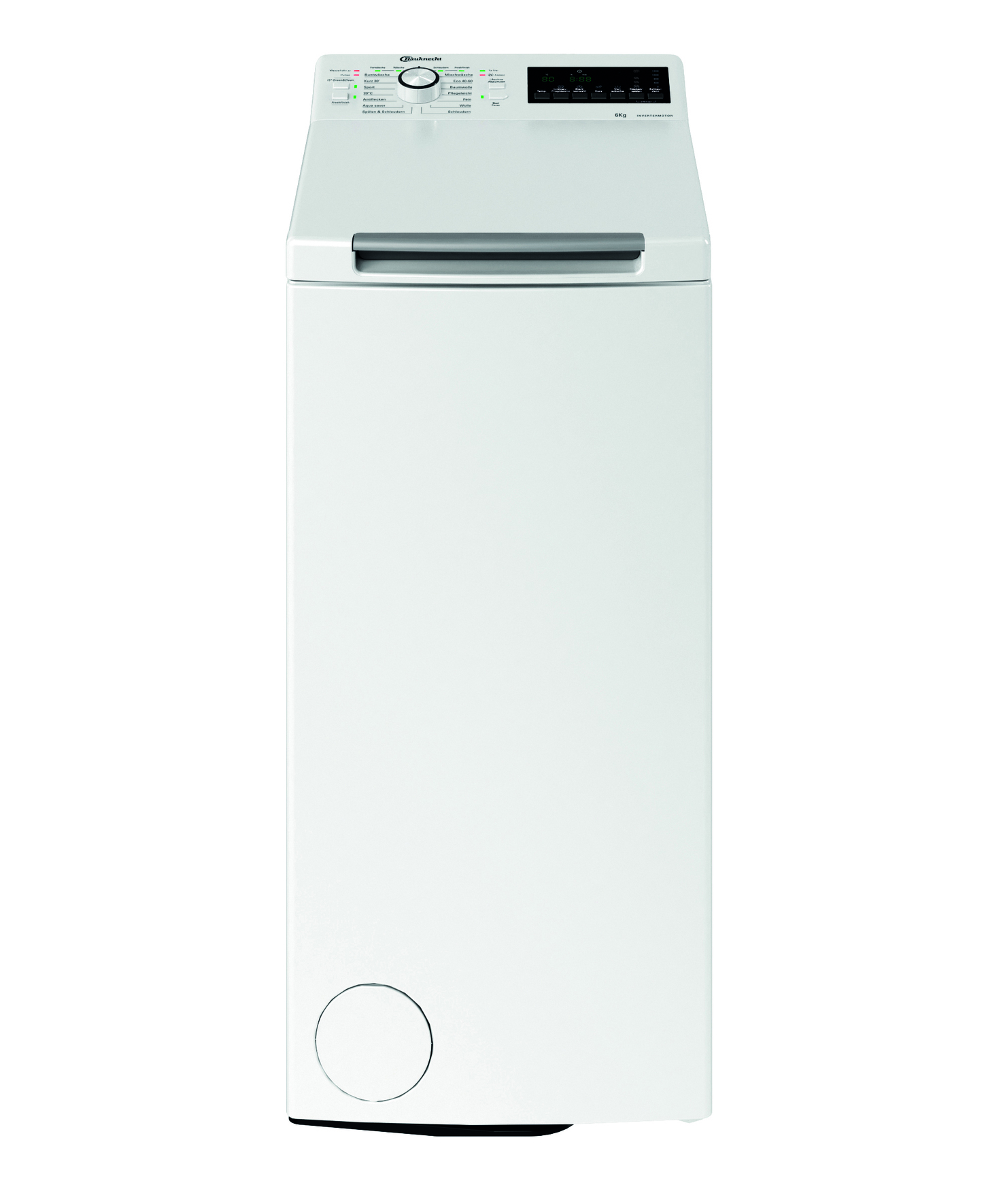
Bauknecht WMT Eco Shield 626 A, 6 kg
At 40 cm wide, this top-loader could suit a narrow space; you’ll need room above it to open the lid.
6 kg; Eco 40–60; 42 kWh per 100 cycles; 43 l per cycle; 1,200 rpm; 40 cm wide.
View at Joybuy
Frequently asked questions
Do everyday cotton pyjamas always need a 60°C wash or a hygiene programme?
No, not as a matter of course if they’re normally soiled. Follow the care label; special hygiene requirements may call for different measures. The German Environment Agency recommends that people with weakened immune systems discuss any necessary measures with their doctor.
What does Eco 40–60 mean for cotton pyjamas?
This programme is designed for normally soiled cotton that, according to its care label, can be washed at 40°C or 60°C. Check the label on each pair of pyjamas before choosing a programme.
Which consumption figures should I compare?
For specific models, compare the kWh per 100 wash cycles and litres per cycle on the same Eco 40–60 basis. The Verbraucherzentrale also lists the Eco programme duration as a comparison figure; the label figures don’t automatically reflect consumption on other programmes.
How much space should I leave in the drum?
For normally soiled whites or coloureds, the German Environment Agency recommends filling the drum well while leaving about a hand’s breadth of space. So choose a capacity to suit your usual sorted loads, rather than basing it solely on the number of people in your household.
Is a quick programme automatically more energy-efficient?
No. The German Environment Agency points out that quick programmes save time, but not necessarily energy. Before using one regularly for family laundry, check the load limit and consumption for the specific programme.


