First, choose a machine that fits the available space, including room for the door to open and access to the connections. Then choose a drum size that suits the amount of laundry you usually wash. For the model you have in mind, compare the latest EU label figures, cotton and low-temperature programmes, water protection and spin noise. A quick programme isn’t automatically an energy-efficient wash.
Which washing machine suits your household?
Families with regularly full laundry baskets
Choose a drum size to suit your usual loads and how often you wash, rather than simply opting for the largest stated capacity. The Verbraucherzentrale (German consumer advice centre) recommends matching the size of the appliance to your household.
Families with limited laundry space
Check the machine’s design, footprint and clearance for opening the door before comparing capacities. You’ll need to be able to connect the washing machine and load it comfortably where it’s going to stand.
Families with frequently stained T-shirts
Look for suitable cotton and low-temperature programmes, as well as stain programmes if needed. Always follow the garment care label. The European Commission describes Eco 40–60 as suitable for normally soiled cotton that the care label says can be washed at 40 °C or 60 °C.
What to consider when buying
| Consideration |
What to check when buying |
Who it matters most to |
| Getting the capacity right |
Estimate your usual dry laundry load and how often you wash; check the stated capacity and dimensions of the specific model. |
If we regularly have full laundry baskets, I want a drum that’s the right size, without having to wash small loads too often. That’s why around 29% of consumers put choosing the right capacity first. |
| Electricity and water use |
Compare EU label figures within a suitable capacity range: kWh per 100 Eco 40–60 cycles and litres per Eco cycle, as shown by the European Commission. |
If I use my machine frequently, I want to keep an eye on electricity and water use over time. Around 23% of consumers focus above all on running costs. |
| Machine design and available space |
Check the width, depth and height, the clearance needed for the door or lid, and the position of the connections. |
If space is limited, I need to be able to open and load the machine without it clashing with doors or connections. Around 18% of consumers put ease of installation first. |
| Caring for cotton T-shirts |
Check the cotton, Eco 40–60 and 20 °C programmes; assess stain programmes according to the type of mark and the care label. |
If I wash cotton T-shirts frequently, I want to choose a programme that suits the care label and how soiled they are. Around 18% of consumers prioritise choosing the right programme for their fabrics. |
| Spin noise and water protection |
Compare the specific model’s spin noise in dB(A) and its noise emission class; check the type and extent of its water protection. |
If the machine is near living areas, or I’m concerned about protection while it’s connected to the water supply, I’ll check the noise and safety features carefully. Around 12% of consumers pay particular attention to quiet operation or water protection. |
Common buying mistakes
-
Assuming ‘quick’ means ‘energy-efficient’
A quick programme is designed to finish sooner, but it isn’t automatically energy-efficient. The German Environment Agency distinguishes time-saving quick programmes from longer programmes designed to use energy efficiently.
For normally soiled cotton that the care label says can be washed at 40 °C or 60 °C, check whether Eco 40–60 is suitable. A suitable low-temperature programme may be an option for lightly soiled items.
-
Choosing a machine based only on its maximum drum size
A large stated capacity won’t necessarily suit the loads you usually wash. If the drum is regularly only lightly loaded, you won’t be making full use of its capacity day to day.
Think about your usual load sizes and how often you wash, then compare them with the stated capacity and dimensions of the specific machine.
-
Judging a washer-dryer only by its washing capacity
With a washer-dryer, the amount of laundry you can dry straight after washing may be less than the washing capacity. The Verbraucherzentrale also notes that washer-dryers use more electricity and water than separate machines.
Check the washing and wash-and-dry capacities separately, and choose a drying function only if you’ll actually use it.
You may need to split a load before drying it, which means using extra electricity and water.
A guide to the key brands
Bosch
The Series 4 WAN282K4 is a front-loading washing machine with an 8 kg capacity and a cotton programme.
- Bosch lists a 1,400 rpm spin speed and a reload function for this model.
- Bosch specifically states that the WAN282K4 does not have AquaStop. This applies to this particular model, not the entire series.
Siemens
The iQ500 WG44G2Z40 front-loader has a 9 kg capacity for households that regularly wash larger loads.
- Siemens lists aquaStop, a reload function and an anti-stain system for this model.
- The advertised stain-removal performance is a manufacturer’s claim. A 9 kg capacity won’t necessarily suit you if you usually wash small loads.
Beko
The BM3WFU4841A is a front-loader with an 8 kg capacity and low-temperature and stain programmes listed by the manufacturer.
- Beko lists a 20 °C programme, StainExpert and a 1,400 rpm spin speed for this model.
- An advertised stain function doesn’t replace checking the care label and the type of mark.
Miele
The W1 front-loader WSB363 WPS PWash&8kg is an 8 kg option with additional control and dosing features.
- Miele lists QuickPowerWash, Miele@home and CapDosing for this model.
- App connectivity and portioned dosing aren’t essential for washing everyday T-shirts.
Washing machines at Joybuy
The selection includes front-loaders and a top-loader to suit different laundry loads and available spaces.
 No image available
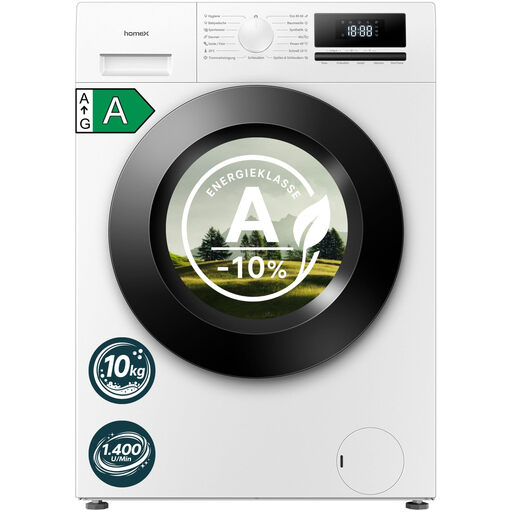
homeX WF1014H1A-W, front-loader, 10 kg, 1,400 rpm
With a 10 kg capacity, this model could suit families who regularly wash larger loads. Listed programmes include cotton and Eco 40–60, and it has a 1,400 rpm spin speed.
The product listing states that a minimum inlet pressure of 1 bar is required for the water connection.
Joybuy
 No image available
LG F4WR5035, front-loader, 13 kg, 1,360 rpm
With a stated capacity of 13 kg, this machine is designed for households with large laundry loads. Its programme list includes cotton and Eco 40–60.
The product listing gives a door-opening depth of 1,145 mm, so make sure you have enough space in front of the machine.
Joybuy
 No image available
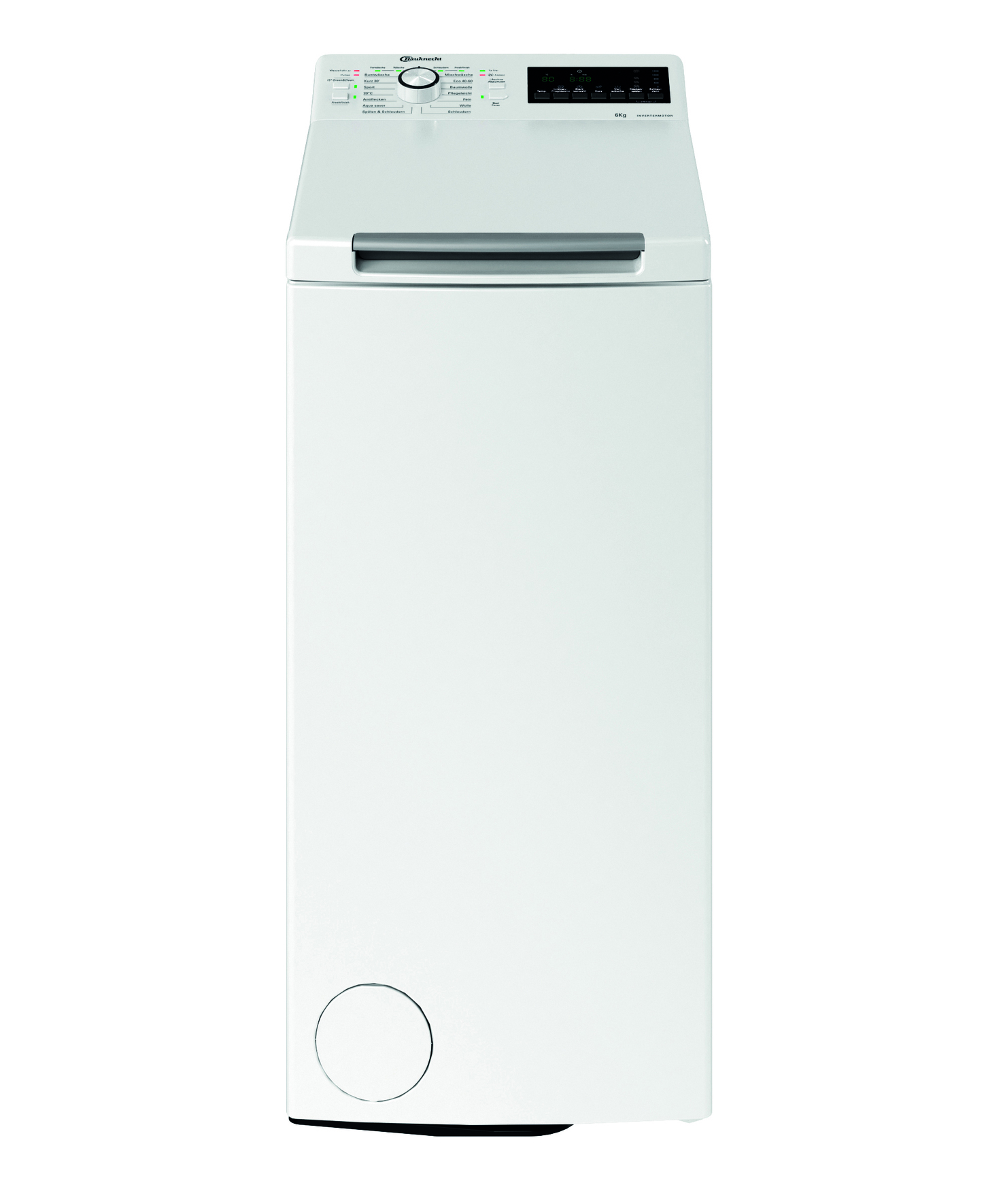
Bauknecht WMT Eco Shield 626 A, top-loader, 6 kg
This top-loader has a 6 kg capacity and could suit a narrow space. The product title lists an Eco 40–60 programme and a 20 °C stain function.
Make sure there’s enough clearance above the machine to open the lid.
Joybuy
 No image available
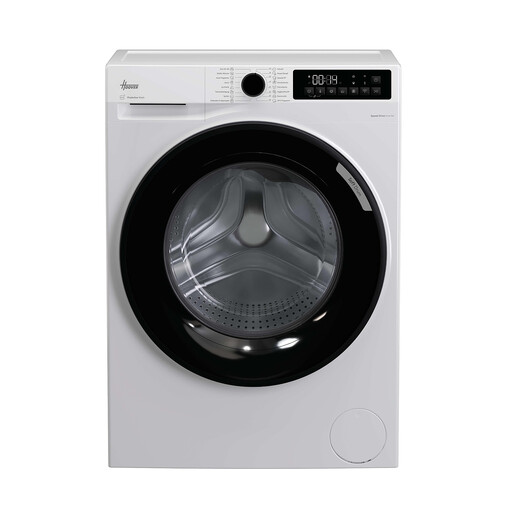
Hoover ProWash 300 HGDQ49SBL8U-84, front-loader, 9 kg, 1,400 rpm
With a 9 kg capacity, this front-loader could suit households that regularly wash larger loads. Aquastop is listed in the product title.
Check the specific model’s spin noise and level of water protection against the product information.
Joybuy
 No image available
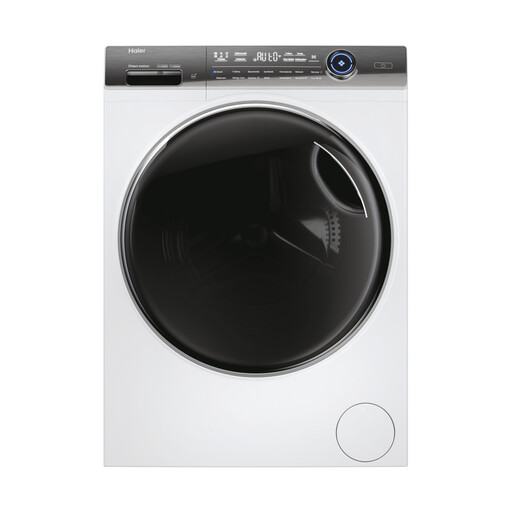
Haier I-Pro 7 Plus HW80-BD14979EU1, front-loader, 8 kg, 1,400 rpm
The stated 8 kg capacity could suit households whose usual loads are around this size. The product title lists steam and a water protection system.
Before choosing, check what protection feature the specific model offers and whether it suits your water connection.
Joybuy
Frequently asked questions
Is Eco 40–60 suitable for all cotton T-shirts?
No. The European Commission describes Eco 40–60 as suitable for normally soiled cotton that the care label says can be washed at 40 °C or 60 °C. Check the label; a suitable 20 °C programme may also be an option for lightly soiled cotton.
Which consumption figures can I compare before buying?
The EU energy label shows electricity use per 100 Eco cycles and water use per Eco cycle. The European Commission also lists the duration of the Eco 40–60 programme; these label figures don’t automatically apply to every cotton or quick programme.
What should I check when installing the machine before its first wash?
Follow the instructions for the specific model. For its washing machines, Bosch lists removing the transit bolts, connecting the electricity and water supplies, and positioning and levelling the machine among the installation steps.
Which energy label must be shown when buying online in Germany?
EU energy labelling rules also apply to online sales of new household washing machines covered by the regulations. The current scale for washing machines runs from A to G. The European Commission and the German Environment Agency refer to this label for comparing machines today.
Do T-shirts need a hot wash as part of everyday family laundry?
The German Environment Agency says disinfection or a hot wash isn’t necessary in a normal household. Different requirements may apply if there’s a specific health risk; if so, seek medical advice about hygiene where appropriate.


