What to consider when buying
Freestanding front-loader
A good fit if: There’s room for the door to open and your household combines other laundry into suitable loads too.
The trade-off: A larger stated capacity doesn’t automatically make individual small loads of flannels more efficient.
Top-loader
A good fit if: There isn’t enough width for a front-loader, but there’s sufficient space above the machine to open it and load the laundry.
The trade-off: You can’t use the space directly above the machine as a continuous worktop; check the dimensions of the specific model.
Washer-dryer
A good fit if: There’s no suitable space for a separate tumble dryer or clothes airer.
The trade-off: The Verbraucherzentrale points out that washer-dryers use more electricity and water than separate appliances. Compare washing and wash-and-dry figures separately.
Existing communal washing machine
A good fit if: There’s a working machine available and you can agree practical arrangements for washing times, cleaning and splitting the costs.
The trade-off: Check that the existing machine suits the amount of laundry you have and the care programmes you need.
| Buying criterion |
What to check |
Who it matters most to |
| Washing conditions for flannels |
Check the care label, suitable programme, temperature and detergent guidance against how soiled the items are. |
If I use flannels close to my skin, I want to wash them according to the fabric’s care instructions and how soiled they are, rather than relying on a programme name. Around 29% of consumers put suitable washing conditions first. |
| Space and water protection |
Check the appliance dimensions, including room for the door to open, the connections and the water protection features. |
If space is tight or there’s a risk of water damage to neighbouring rooms, I want to make sure the machine and its connections suit the installation spot. Around 24% of consumers prioritise space and water protection. |
| Drum size |
Compare your typical shared loads with the maximum loads for the programmes you use most often. |
If we combine towels and everyday clothes, the capacity needs to suit our loads, not just the number of housemates. Around 18% of consumers prioritise the right drum size. |
| Electricity and water use |
Compare EU label figures on the same basis: kWh per 100 Eco 40-60 cycles and litres per cycle. |
If our household shares the cost of frequent washing, I want to take the consumption of the programmes we actually use and our tariffs into account. Around 18% of consumers put running costs first. |
| Wash times and spin noise |
Check programme duration, maximum load and spin noise level in dB(A). |
If several people need to agree set washing times and the machine is close to living areas, suitable time slots and a comparable noise figure matter. Around 12% of consumers prioritise the washing rota and noise. |
EU label figures are based on standardised conditions and don’t necessarily reflect every programme used in a shared house. For washing machines, the European Commission lists energy and water consumption, programme duration and spin noise level among the information you can compare.
Washing machines at Joybuy
The front-loaders below have been selected for shared household laundry. Compare their capacity, dimensions, programmes and consumption figures with your specific needs.
 No image available
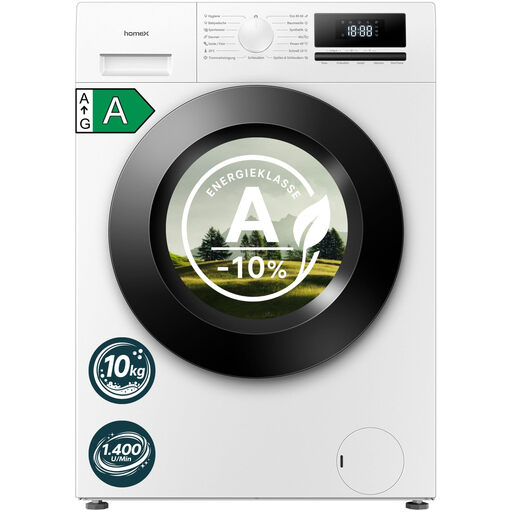
homeX WF1014H1A-W, 10 kg
The stated capacity may suit shared houses that regularly combine larger loads.
10 kg; energy class A−10%; 46 kWh per 100 cycles; AquaStop; dimensions: 59 × 59.5 × 84.5 cm.
The programme list includes cotton, hygiene and delicates programmes. Check the instructions for the specific washing conditions.
View at Joybuy
 No image available
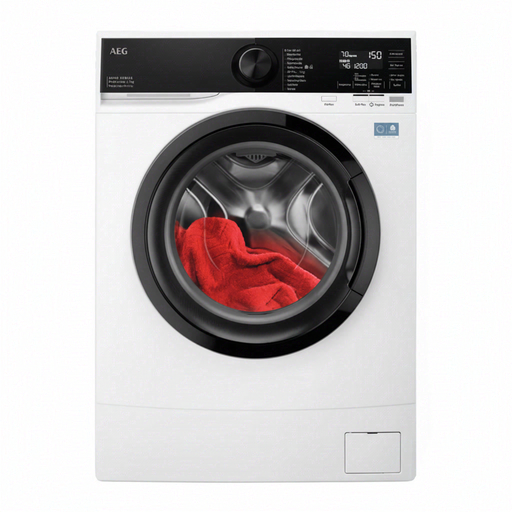
AEG LSR6FA75470 6000 Series ProSense Slim, 7 kg
The stated depth may be useful if you need a shallower machine for your available space.
7 kg; 45 kWh per 100 cycles; 45 litres per cycle; AquaStop; depth: 487 mm.
The programme list includes cotton, hygiene/anti-allergy and a 20-minute cycle for 3 kg. Product details say you can adjust the temperature and spin speed.
View at Joybuy
 No image available
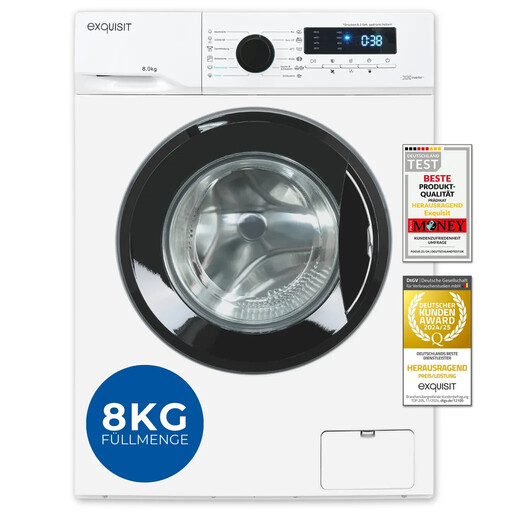
Exquisit WA58014-020A, 8 kg
The capacity and listed cotton programmes may suit households washing towels and everyday clothes together.
8 kg; energy class A; 47 kWh per 100 cycles; AquaStop; maximum 1,400 rpm.
Product details list a start delay of 3 to 24 hours and a time-remaining display.
View at Joybuy
 No image available
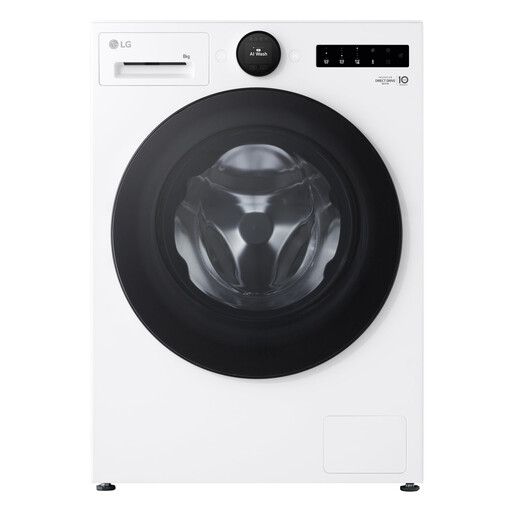
LG F4WX808YC, 8 kg
The stated capacity and choice of programmes may suit shared household laundry.
8 kg; energy class A−20%; AquaLock; dimensions: 600 × 850 × 565 mm.
Product details state that TurboWash takes 39 minutes for a half load. Check whether this load size suits your washing needs.
View at Joybuy
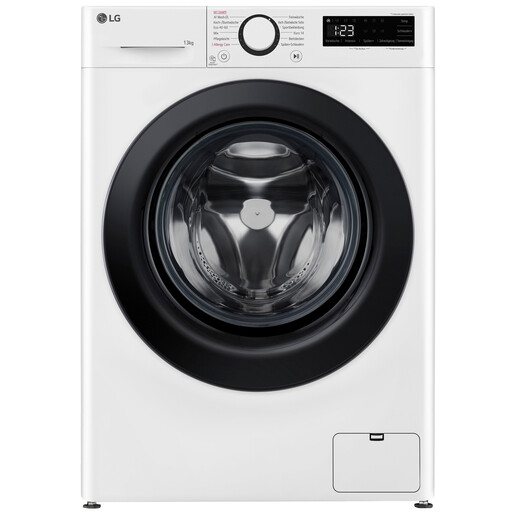 No image available
LG F4WR5035, 13 kg
The stated drum size may suit shared houses that regularly combine larger loads.
13 kg; 44 kWh per 100 cycles; 58 litres per cycle; AquaLock.
The programme list includes cotton, delicates and Allergy Care, with temperatures of up to 95 °C. Product details also list LoadSense and water level adjustment.
View at Joybuy
Frequently asked questions
Do flannels always need to be washed at 60 °C in a healthy shared house?
No. There’s no blanket requirement to wash normally soiled laundry at 60 °C or use an additional laundry disinfectant. For hygiene reasons, the German Environment Agency recommends washing towels at 40 or 60 °C; follow the care label and take the level of soiling into account. If someone has a contagious illness, a higher temperature may be advisable alongside other measures.
Does ‘Eco 40-60’ automatically reach 60 °C?
No. According to AEG’s programme explanation, you can’t freely adjust the temperature for Eco 40-60. If you need a specific washing temperature, check the instructions for your particular machine.
How can you keep a shared washing machine smelling fresh?
Remove wet laundry promptly, dry the seal and detergent drawer, and leave the machine open to dry. The Verbraucherzentrale also recommends cleaning the fluff filter regularly, if your machine has one, and occasionally washing white laundry at 60 °C with powder detergent for whites.
How do you compare the electricity and water use of different washing machines?
Compare figures on the same EU label basis: kWh per 100 Eco 40-60 cycles and litres per cycle. To estimate usage in a shared house, also take your washing frequency and current tariffs into account; the label figure doesn’t necessarily reflect every programme you use.
Can you install a washing machine in a rented flat in Germany?
According to the Verbraucherzentrale, tenants generally can’t be prevented from installing a washing machine in their own home. Even so, check that the connection and installation spot are suitable, and make sure you’re protected against water damage.


