Households that use flannels frequently
If you wash flannels regularly, choose your programme, detergent and fabric care to suit the care label. The IKW recommends washing flannels used in a typical household at a minimum of 40 °C.


Choose a washing machine based on your total laundry load and the space available, rather than the number of flannels alone. For flannels used in a typical household, the German Cosmetics, Toiletries, Perfumery and Detergent Association (IKW) recommends washing at a minimum of 40 °C. A dedicated or hot-wash programme is not automatically necessary. Also compare water protection features and the EU label figures: these relate to the Eco 40–60 programme and do not necessarily reflect the consumption of other programmes.
If you wash flannels regularly, choose your programme, detergent and fabric care to suit the care label. The IKW recommends washing flannels used in a typical household at a minimum of 40 °C.
If you often have flannels to wash but the drum is never full, compare the machine’s capacity with your household laundry needs and check how it adapts to different load sizes. The consumer advice centre and Bosch Home Appliances cite household size and model-specific features as factors to consider.
When space is tight, the machine’s dimensions, door opening and connections all matter. The consumer advice centre recommends choosing a machine size that suits your household; Bauknecht, for example, offers a 40 cm-wide top-loader.
First, check which items you’ll wash together and which programmes suit their care labels. Then compare drum size, available space and consumption figures with your everyday needs.
| Consideration | What to check before buying | Who is it important to? |
|---|---|---|
| Suitable washing | Check the care label and whether the machine has a 40 °C programme. If you have specific needs, check the documented temperature performance of any hygiene programme. | If I wash flannels as part of my usual household laundry, I want to choose a suitable programme without assuming that a special cycle is always needed. Around 29% of consumers say getting the wash right is their top buying priority. |
| Drum size | Compare the items you can regularly wash together, the rated capacity and the permitted load for the programmes you use. | If I often have small loads of flannels, I want to choose a drum size based on my total laundry needs. Around 29% of consumers prioritise suitable capacity and small loads. |
| Space and water protection | Check the width, depth and height, including the door opening, hose routing and the stated coverage of any water protection system. | If my utility room is short on space, the machine needs to fit with its door open and connections in place. Around 21% of consumers prioritise space and protection against water leaks. |
| Electricity and water consumption | Compare kWh per 100 Eco cycles and litres per Eco cycle using the same label basis, and consider how you plan to use the machine. | If I wash regularly, I want to compare the stated electricity and water figures in a way that reflects how I use the machine. Around 21% of consumers say running costs are their top priority. |
The European Commission describes Eco 40–60 as a standardised programme for the corresponding label figures. These figures cannot automatically be applied to a separate 40 °C or 60 °C programme that you select yourself.
The programme name, the temperature actually maintained and the wash duration are not the same thing. The Eco 40–60 label figures alone do not tell you whether another programme maintains a particular temperature.
If you have specific hygiene needs, check the programme details and the care instructions for your fabrics. Flannels used in a typical household do not automatically require a special wash.
The rated capacity does not show how much any given programme will use with every partial load.
Choose a size that suits your total laundry needs. Only rely on automatic load adjustment if it is specified for the particular model.
A top-loader needs room for its lid to open upwards. Door openings, connections and water protection features also vary by model.
Before choosing, check the machine’s full dimensions, where it will go, the connections and the specific EU label figures.
The models listed offer options for different spaces: a 7 kg front-loader and a 7 kg top-loader that is 40 cm wide.
The models mentioned include an 8 kg front-loader that can be installed under a worktop, as well as a 9 kg option.
The 7 kg and 8 kg front-loaders listed offer different capacities for comparison.
The W1 WSA123 WCS 8kg Active is a listed 8 kg front-loader with AddLoad and CapDosing.
This selection includes household front-loaders, as well as compact manual and semi-automatic machines for small items. Consider whether you need a standard household washing machine or a solution for occasional small loads.
 No image available
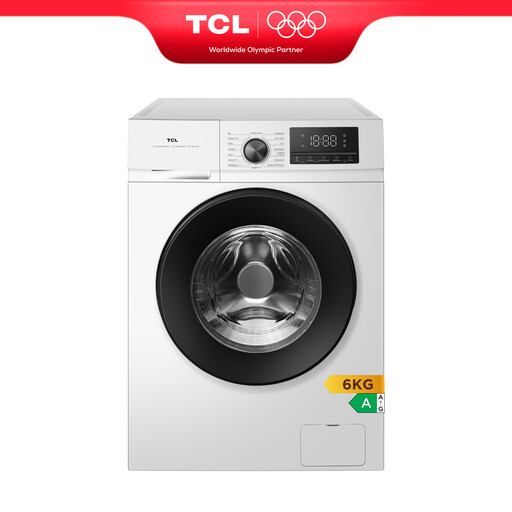
The stated capacity and quick wash programme are useful features to compare if you regularly have smaller loads.
The title specifies a 15-minute quick wash programme, which the description says is for lightly soiled laundry. It also lists a BLDC motor, Steam Wash and Honeycomb Drum.
 No image available
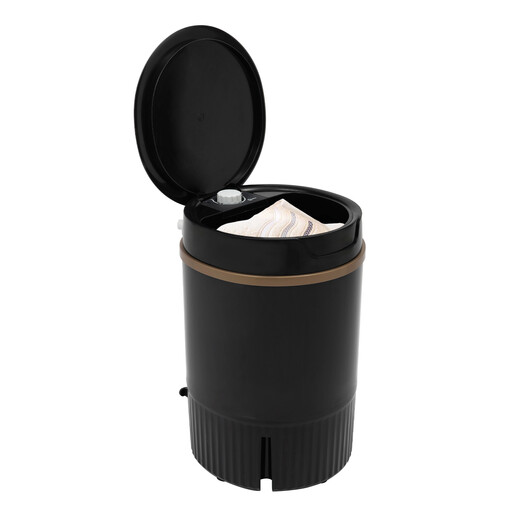
Designed for small items; the description gives a maximum load of 0.8 kg.
The title specifies a 1–10-minute wash cycle, a 3-minute spin cycle and IPX4.
 No image available
If you wash flannels with other suitable household laundry, you can compare the stated 13 kg capacity with your total laundry needs.
The description lists LoadSense and automatic water-level adjustment, as well as AquaLock and an Allergy Care steam programme.
 No image available
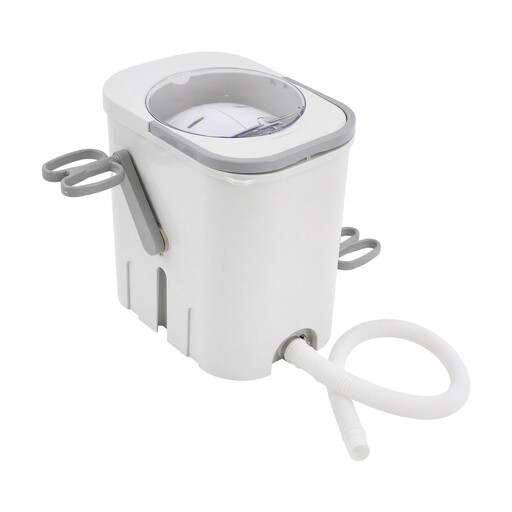
This manual machine is described as suitable for small items and offers an alternative to washing them in an automatic household machine.
The description specifies a non-electric hand crank and a drain hose.
 No image available
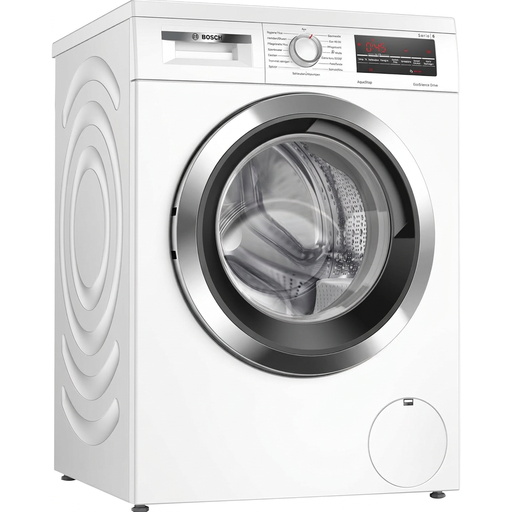
If you wash flannels with other suitable household laundry, you can assess the stated 8 kg capacity against your total laundry needs.
The title specifies 1,400 rpm and a front-loader. The description lists ActiveWater Plus, AquaStop, a Hygiene Plus programme and a reload function. Check the programme details to make sure they suit your specific laundry needs.
No. For normal household use, the IKW recommends a minimum of 40 °C; always follow the care label. If you have specific hygiene needs, check the guidance for the particular programme and the items you’re washing.
No. The European Commission describes Eco 40–60 as a programme for normally soiled cotton laundry with the relevant label, and as the basis for the label figures. If you need a programme to maintain a specific temperature, check the documentation for that programme.
Measure the space, including room for the door or lid to open, and check the water inlet and drain, as well as the model’s installation instructions. The IKW also recommends leaving the door and detergent drawer open to dry after washing, and cleaning the drawer regularly.
No. Your statutory rights apply to the seller, while a manufacturer’s guarantee is a voluntary additional promise with its own terms. The consumer advice centre notes that the two are not the same.
Waste electrical equipment is collected separately. The German Environment Agency generally recommends free municipal collection points. Whether you can return an appliance through a retailer depends on the legal requirements and the return option available.