Start with the care labels and check that the washing machine’s temperature and programme settings match: “machine washable” doesn’t mean every programme is suitable. In a house share, you’ll also need to consider the space available, drum capacity, spin noise and the consumption figures on the EU energy label. A slim top-loader could work where space is tight, while a front-loader with a larger drum may suit laundry done in shared loads. The machine’s design alone won’t tell you whether a particular programme is suitable for a specific dress.
Which washing machine suits your needs?
A house share with delicate summer dresses
You want to choose how to wash each dress according to its care label, rather than washing every item on a standard cotton programme. GINETEX explains the maximum temperature shown by the number in the wash symbol.
A house share with shared laundry planning
Several housemates share the machine and laundry days. So compare drum capacity, consumption figures and spin noise in the context of how you’ll actually use it. The European Commission explains the information on the EU energy label.
A house share with limited laundry space
Before choosing a machine design, check the width, depth, connections and the space needed to open it at the intended location. The North Rhine-Westphalia Consumer Advice Centre lists available space and machine design among the buying criteria.
What should you look for when buying?
Front-loader for shared house-share laundry
A good fit if: there’s enough space for the machine and its door to open, and several housemates regularly do their laundry together.
The trade-off: The front-loaders considered are around 60 cm wide. A higher stated capacity doesn’t mean that small loads of clothing are suitable for every programme.
Slim top-loader
A good fit if: there isn’t room for a machine around 60 cm wide, but there’s space to open the lid upwards. The Bauknecht WMT 612 B6 is 40 cm wide, has a 6 kg capacity and includes a delicates programme.
The trade-off: Its stated capacity is lower than that of the 8 kg front-loaders considered. Also check the opening space and spin noise of the specific model.
Washer-dryer if you also need to tumble-dry
A good fit if: you genuinely need to machine-dry clothes as well as wash them, and there’s no room to hang them up.
The trade-off: The Consumer Advice Centre raises concerns about the energy efficiency of washer-dryers. Whether a summer dress can go in the tumble dryer depends on its care label.
Check the care labels and the space available first, before comparing capacity and consumption. According to GINETEX, the wash symbol indicates a maximum temperature; the EU energy label gives consumption figures based on a defined programme.
| What matters |
What to check when buying |
Who it matters most to |
| Garment care |
Check that the care labels match the delicates or gentle programme, as well as the temperature and spin settings. |
If I want to care for my machine-washable summer dresses according to their labels, I’ll check the programmes and settings carefully. Around 31% of consumers say garment care matters most to them. |
| Shared wash loads |
Consider whether you’ll regularly do laundry together or separately, as well as the stated capacity and the load size for each programme. |
If several housemates combine their laundry, the drum should suit the loads you actually plan to wash. Around 25% of consumers say shared laundry planning matters most to them. |
| Space and opening clearance |
Measure the location, access route and connections; allow space in front of a front-loader or above a top-loader. |
If my laundry space is tight, the machine design and the room it needs to open must suit the location. Around 19% of consumers prioritise the space available. |
| Noise and water protection |
Compare spin noise in dB on the same label basis, and check the connection, house rules and insurance cover. |
If the machine is near shared living spaces, I want to be considerate of my housemates and check the connection. Around 13% of consumers say peace and protection against water damage matter most to them. |
| Running costs |
Compare kWh per 100 Eco-40–60 cycles and litres per cycle on the same label basis; check any service options on offer. |
When I estimate costs for the house share, I’ll consider energy and water use based on how we use the machine, as well as the purchase price. Around 12% of consumers say overall and ongoing costs matter most to them. |
Avoid common buying mistakes
-
Confusing “machine washable” with “suitable for every machine programme”
Care labels specify the temperature and how gentle the wash needs to be. A standard programme won’t automatically be suitable for every dress.
Start by checking the labels on the dresses you actually want to wash, then compare the programmes and settings.
An unsuitable wash could damage the fabric.
-
Measuring only the machine’s width
A front-loader and a top-loader need clearance in different places. A machine that fits the available width may still be difficult to use in its intended location.
Measure the location, access route and connections, and allow space in front of the front-loader door or above the top-loader.
If the measurements or opening clearance don’t work, you may need to spend extra time and effort moving or repositioning the machine.
-
Assuming an A energy rating means every programme uses the same amount
The figures on the EU energy label are based on a defined programme. They don’t tell you directly how much a delicates cycle will use.
Compare label figures on the same basis, and don’t assume they reflect the consumption of the specific programmes you’ll use for your clothes.
Relevant brands at a glance
Bauknecht
Bauknecht’s German product range includes slim top-loaders. The WMT 612 B6 is one option for a laundry space with limited width.
- For the WMT 612 B6, Bauknecht lists a width of 40 cm, a 6 kg capacity and a delicates programme.
- This model has a stated airborne noise emission of 79 dB. That doesn’t predict how loud it will seem in your specific location.
Bosch
The WAN28271 is an 8 kg front-loader sold in Germany, and could be worth considering if you’re looking for a larger drum to share.
- Bosch Home Appliances Germany lists a maximum spin speed of 1,400 rpm for this model.
- The maximum spin speed doesn’t mean it’s suitable for every dress. Also check the space required and the programme descriptions.
Samsung
According to Samsung Germany, the WW80CGC04ATEEG is an 8 kg front-loader with SmartThings functionality.
- The app feature could be useful in a house share if the residents actually want to use it.
- The manufacturer’s Ecobubble claims don’t independently prove that it will care for your specific summer dresses better. The care label remains the key guide.
Beko
Beko Germany lists the BMMS3WFU4841W as an 8 kg front-loader and another option for shared house-share laundry.
- The model specifications state an 8 kg capacity and a spin speed of 1,400 rpm.
- Check the space required and the full programme details for the specific model before planning to use it for particular clothes.
Joybuy products for shared house-share laundry
These front-loaders are suited to laundry done in shared house-share loads. For summer dresses, the care label will determine which programmes and settings are suitable.
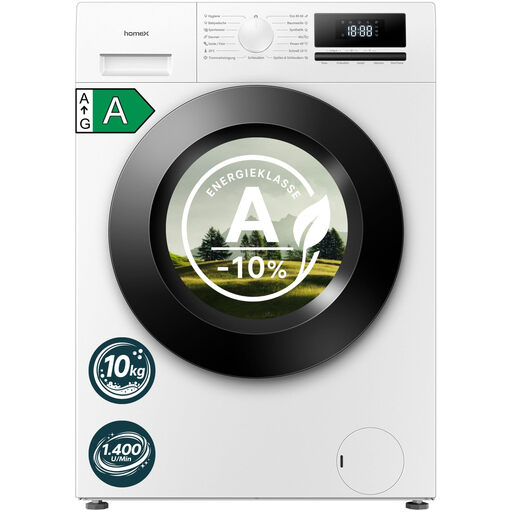 No image available
homeX WF1014H1A-W, 10 kg front-loader, energy rating A
The product listing states a 10 kg capacity, making it an option for laundry planned and washed together.
A programme for delicate fabrics such as silk is listed. Use it only if it’s suitable for the care label on the garment in question.
View at Joybuy
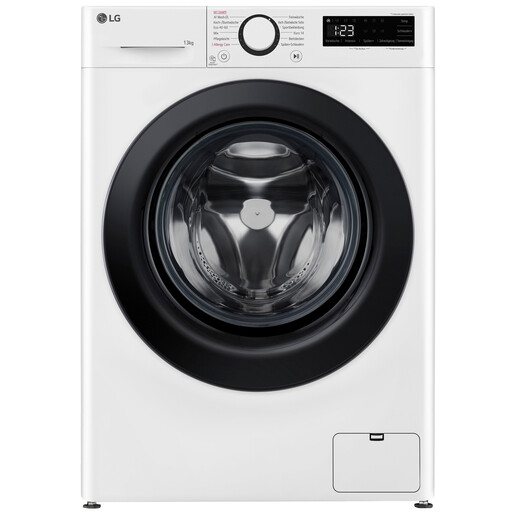 No image available
LG F4WR5035, 13 kg, 1,360 rpm
With a stated capacity of 13 kg, this model could suit laundry done in shared house-share loads.
The product listing includes a delicates programme, with adjustable temperature and spin settings. Check these against the care label.
View at Joybuy
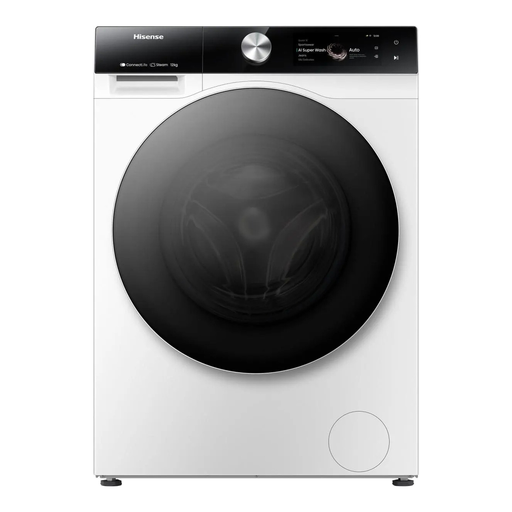 No image available
Hisense WF7S1247BW, 12 kg
The stated capacity of 12 kg makes this model worth considering for laundry planned and washed together.
A programme for delicates and silk is listed. Before washing, check that the dress’s care label allows you to use it.
View at Joybuy
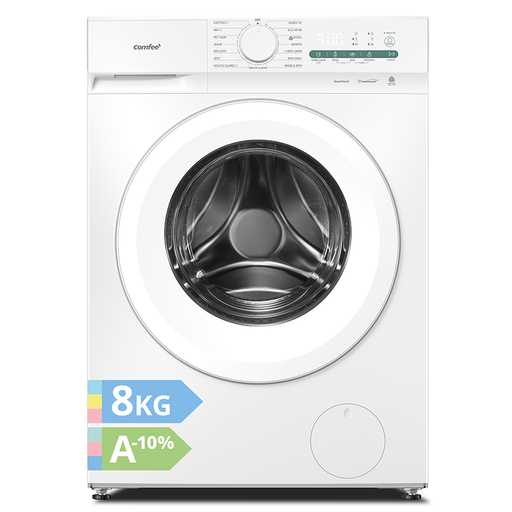 No image available
Comfee CF08EWP05W, 8 kg
The stated capacity of 8 kg makes this an option for laundry planned and washed together in a house share.
A programme for delicate wool is listed. Check that the care label on the garment allows this treatment.
View at Joybuy
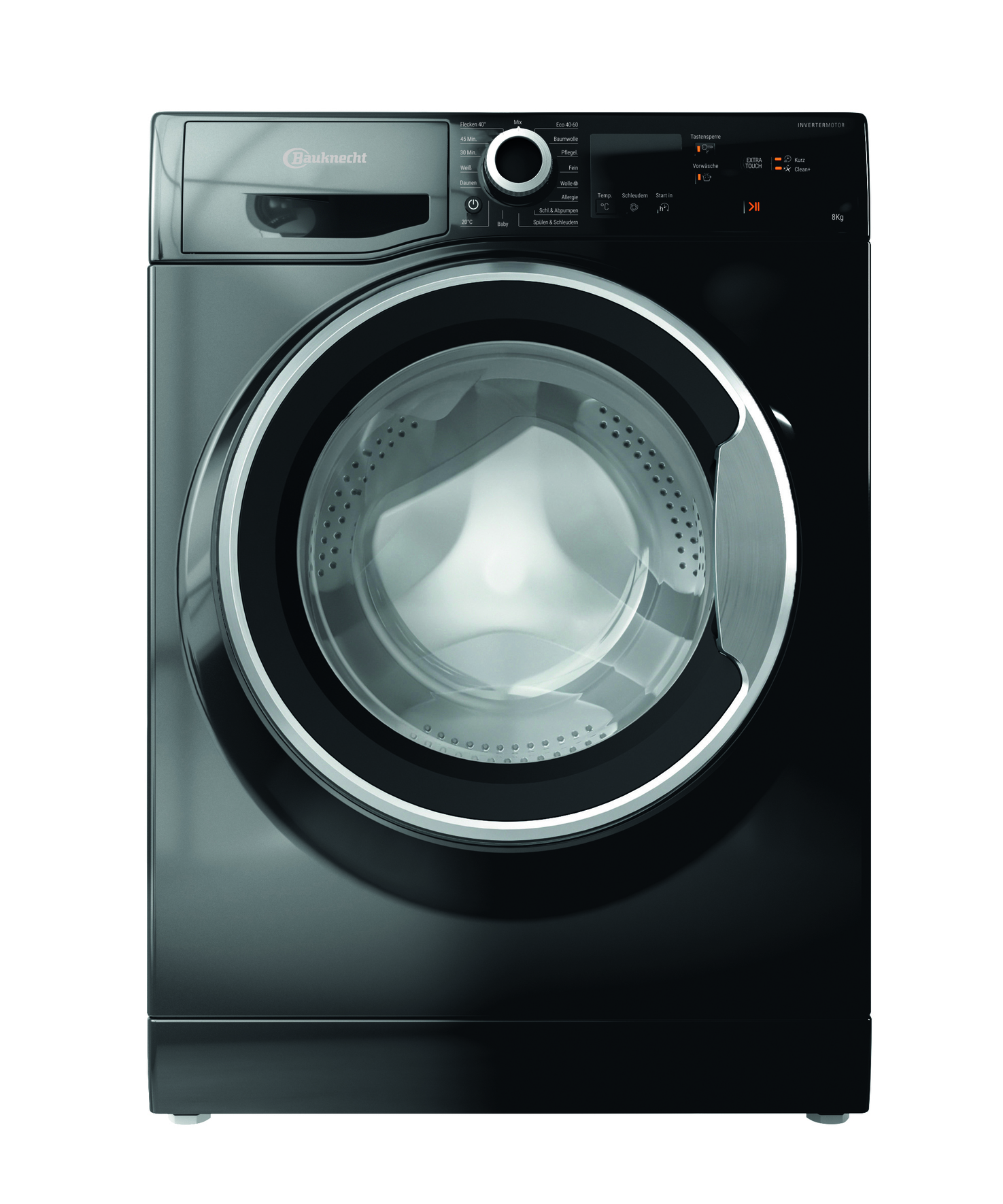 No image available
Bauknecht WM BB 814 A, 8 kg, 1,400 rpm
With a stated capacity of 8 kg, this model could suit laundry planned and washed together.
A wool hand-wash programme is listed. Use it only if the garment’s care label allows this treatment.
View at Joybuy
Frequently asked questions
Can every machine-washable summer dress go on the Eco-40–60 programme?
No, not simply because it’s labelled “machine washable”. The EU Eco 40–60 programme is defined for cotton laundry with the relevant care label; the care label on a particular dress tells you its maximum temperature and how gently it needs to be washed.
What do the lines beneath the wash tub mean?
According to GINETEX, one line means the garment needs a gentler wash, while two lines mean it needs a very gentle wash. The number in the symbol indicates the maximum temperature, which must not be exceeded.
How can a house share compare electricity and water use meaningfully?
The EU energy label gives energy consumption per 100 cycles and water consumption per cycle, based on a defined programme. To estimate your own costs, you’ll also need to factor in how you actually use the machine and your electricity and water prices. The label figure doesn’t show the consumption of every delicates programme.
What should housemates check before connecting a washing machine in a rented home?
The Consumer Advice Centre recommends checking with the landlord before installation to make sure the machine can be installed, and reviewing cover for water damage. This doesn’t mean that every rented home requires permission as a rule.


