For fabric napkins in a family household, choose a washing machine that suits the care labels and the family loads you can wash together. Its maximum rated capacity does not automatically apply to delicate programmes. Treat stains as soon as possible, as recommended by the Verbraucherzentrale, and compare energy information carefully: according to the European Commission, the label values relate to “eco 40-60”, not to every stain or delicates programme.
Who this washing machine choice is relevant for
Families dealing with frequent food stains
If you regularly wash fabric napkins with food stains, consider the textiles’ care instructions alongside the programmes available. The Verbraucherzentrale advises against letting stains dry in where possible; stain programmes are features offered by individual manufacturers on specific models.
Families who can sort laundry into suitable loads
If your napkins can be washed with suitable everyday laundry, the capacity of the programme you use and the actual size of the load both matter. The Umweltbundesamt notes that load limits vary depending on the type of laundry and the programme.
Households short on washing space
When space is limited, the machine needs to fit the available floor space while still leaving enough room to load and unload it. AEG lists a 6 kg capacity for its LTR6A41460 top-loader.
What to consider when buying
First, check the care labels and the programmes you actually need. You can then assess capacity, available space and the consumption figures for the programmes you use regularly.
| Buying consideration |
What to check before buying |
Who it matters most to |
| Food stains and washing temperature |
Check the care label and type of stain against the stain or cotton programmes available. |
If fabric napkins often get food stains, I want to check the care label alongside the right programme. Around 29% of consumers prioritise stain treatment. |
| Capacity for family laundry |
Check the programme’s capacity and the usual size of loads that can be washed together. |
If I want to wash napkins with suitable family laundry, the capacity for that load matters. Around 23% of consumers prioritise family-sized loads. |
| Caring for different fabrics |
Check the washing and bleaching symbols, as well as the load limit for delicates or easy-care programmes. |
If my napkins are delicate or have different care labels, I want to be able to choose a suitable programme. Around 18% of consumers place the greatest importance on caring for fabrics. |
| Installation space and machine design |
Check the machine’s dimensions and the space available for the door or lid to open. |
If space is tight in my laundry area, I need to be able to operate and load the machine there. Around 12% of consumers prioritise a suitable design and the space available. |
| Energy and water consumption |
Check the EU label values for “eco 40-60” and consult the manual for figures on other programmes you use regularly. |
If I’m more concerned about running costs, I want to compare energy and water information with my own washing habits. Around 18% of consumers share this priority. |
Avoiding common buying mistakes
-
Assuming “eco 40-60” is the temperature for every wash
The European Commission describes “eco 40-60” as a standardised programme for normally soiled cotton laundry that can be washed together at those temperatures. You cannot automatically apply the label values to stain, quick wash or delicates programmes.
Compare the label information for “eco 40-60” and consult the manual for your specific model for details of other programmes.
-
Assuming the maximum capacity applies to every programme
The Umweltbundesamt recommends smaller loads for delicates: no more than half the maximum load for “easy-care”, a quarter for delicates and a fifth for wool.
Check the permitted load for the programme you plan to use for your napkins.
-
Relying on a stain programme instead of checking the care label and pre-treating stains
Care instructions set the limits for how a textile can be treated. The Verbraucherzentrale advises against letting stains dry in where possible; manufacturers’ information about stain programmes does not guarantee results for every stain or fabric.
Choose the temperature and programme according to the care label, and treat stains promptly where needed.
-
Looking only at floor space when choosing a slim machine
AEG lists a 6 kg capacity for its LTR6A41460 top-loader; Bosch lists 9 kg for the WGG2441H0, and Beko lists 8 kg for the WLM81434NPSA. A top-loader also needs space above it for the lid to open.
Check the dimensions, clearance for opening and the size of the loads your household washes regularly.
Brands and useful model features
Bosch
According to Bosch, the WGG2441H0 front-loader combines a rated capacity of 9 kg with a stain option.
- Bosch also lists a reload function for this model.
- The advertised stain performance is a manufacturer claim, not independent proof that every stain can be removed from every textile.
Beko
The WLM81434NPSA front-loader is an 8 kg model with the StainExpert programme listed by Beko.
- Beko lists StainExpert and SteamCure as features of this model.
- Manufacturer claims about stain treatment are not independent comparison results and do not apply to every Beko machine.
AEG
AEG offers two different designs: the LTR6A41460 top-loader and the compact LSR6FA70269 front-loader.
- AEG lists a 6 kg capacity and load adjustment for the LTR6A41460, and a maximum appliance depth of 416 mm for the LSR6FA70269.
- The right design depends on where you’ll install the machine and the loads you need to wash. The manufacturer’s description of load adjustment is not independent evidence of lower consumption.
Miele
The WWG880 WCS front-loader is a 9 kg option with automatic dosing and SteamCare, according to Miele’s specifications for this model.
- Its features may appeal to households looking to use automatic dosing.
- Automatic dosing does not mean delicate napkins can be washed with other laundry; the care label and programme remain the deciding factors.
Joybuy product selection
This selection includes freestanding front-loaders with rated capacities of 7 to 9 kg and a range of fabric-care and stain programmes. Check the load limit for the programme you need and the care labels on your napkins.
 No image available
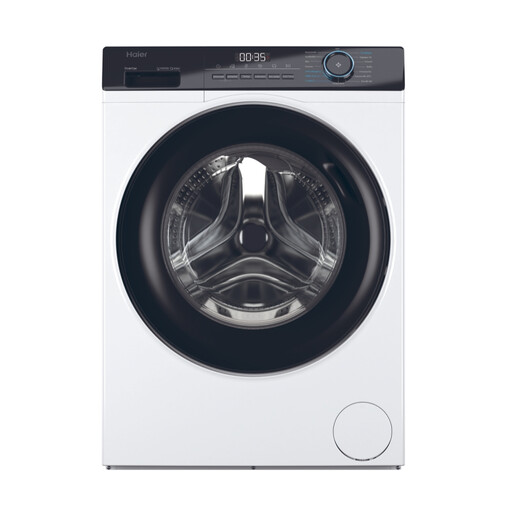
Haier I-PRO SERIES 3, 9 kg front-loader
For households looking to wash napkins with suitable family laundry, the stated cotton capacity is a useful point of comparison.
9 kg cotton capacity; maximum 1400 rpm; cotton, delicates and wool programmes; temperature can be set manually.
View at Joybuy
 No image available
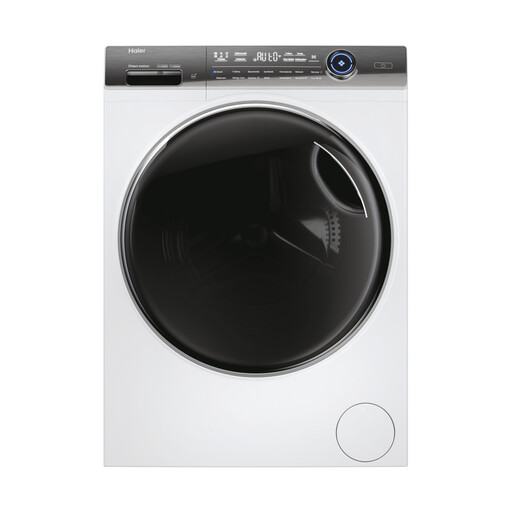
Haier I-Pro 7 Plus HW80-BD14979EU1, 8 kg
The 8 kg model could suit family loads that can be washed together; check that the programme you choose is suitable for your napkins.
8 kg; 1400 rpm; steam and quick wash programmes; stain treatment for six types of stain according to the product information.
View at Joybuy
 No image available
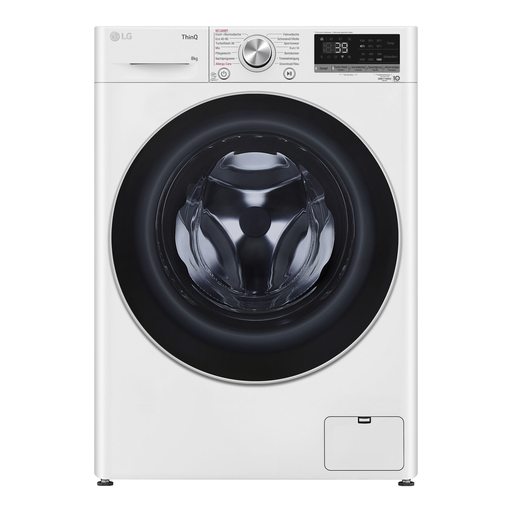
LG F4WV708P1E, 8 kg
For households with different types of laundry, the listed programmes can help you narrow down your choices; the care label on each textile remains the deciding factor.
8 kg; steam programmes; TurboWash 360° for half loads; 14 programmes; Wi-Fi and app control.
View at Joybuy
 No image available
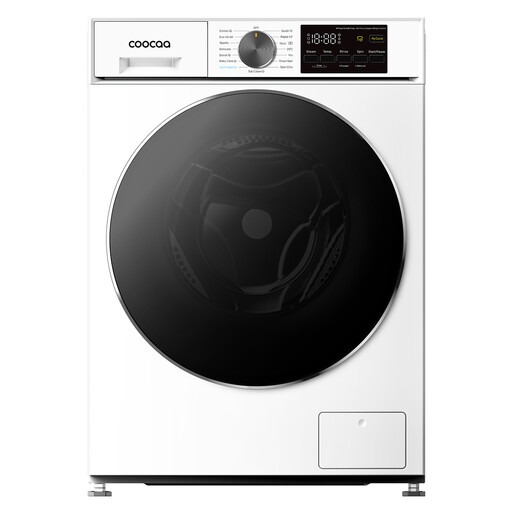
Coocaa Galaxy A3 F802A3AВC0, 8 kg
The stated stain treatment may be useful when narrowing down your options; still, choose a wash programme that matches the care label.
8 kg; steam wash; stain treatment; 15 programmes; 15-minute quick wash.
View at Joybuy
 No image available
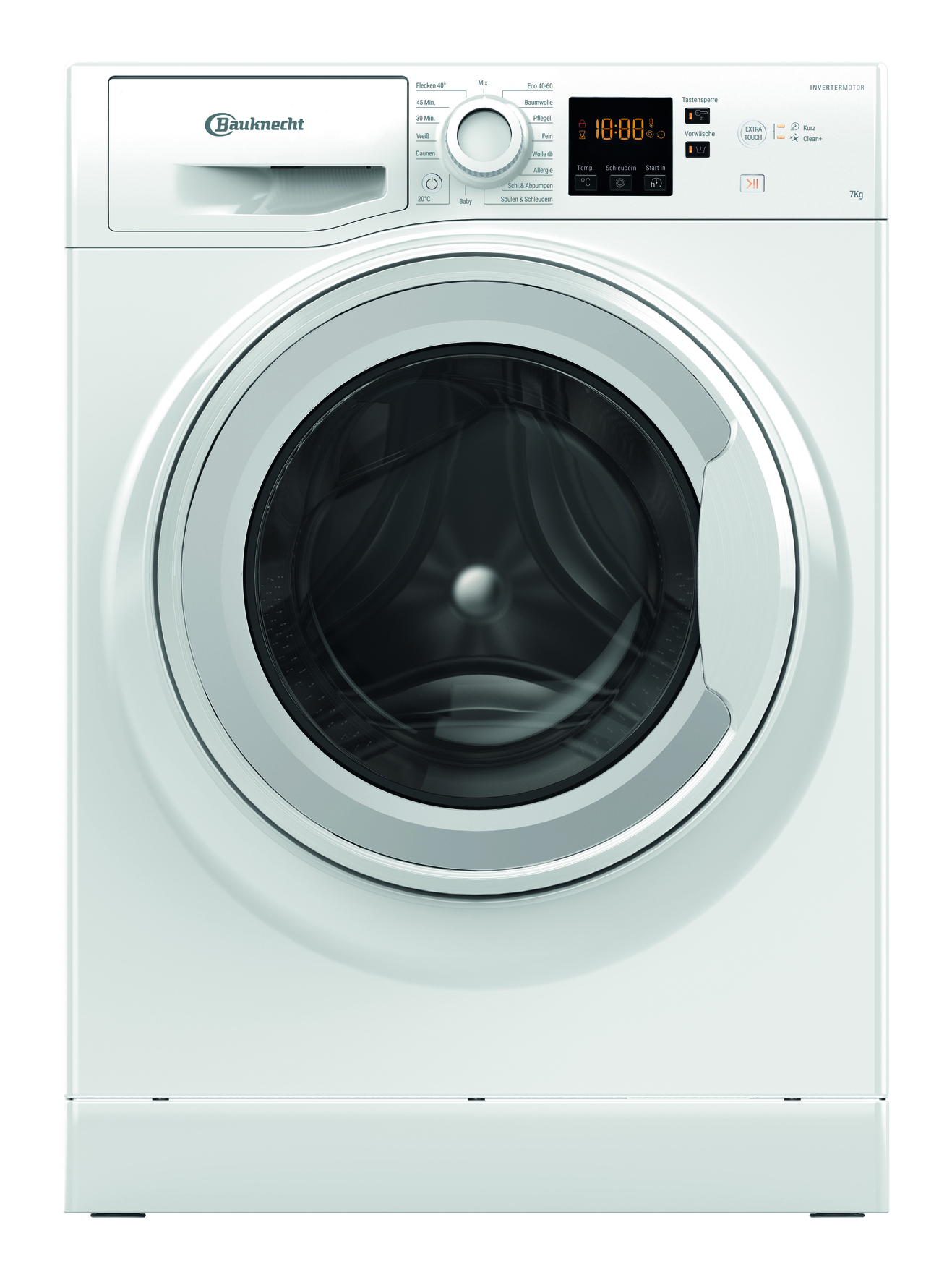
Bauknecht BW 719 A, 7 kg
The programme selection may suit households that wash more delicate fabrics separately from everyday laundry.
7 kg; “Stains 40°” programme; wool hand-wash programme; automatic load adjustment.
View at Joybuy
Frequently asked questions
Do fabric napkins always need to be washed at 60 °C?
No, there is no one temperature that suits every napkin. The care label, the level of soiling and the right programme are what matter; the Verbraucherzentrale also advises against letting stains dry in where possible.
Does the energy efficiency class show how economical the stain programme is?
Not directly: according to the European Commission, the standardised energy information relates to “eco 40-60”. For other programmes you use regularly, check the relevant instructions and any programme data available.
How can I prevent odours in my washing machine?
The Verbraucherzentrale recommends taking wet laundry out promptly, wiping the seal and detergent drawer dry after washing, and leaving the compartments open.
What should I do with an old washing machine?
The Federal Ministry for the Environment notes that waste electrical equipment must be handed in at an authorised collection point. Retailers are also required to take it back in certain circumstances under the law; check in advance whether the collection service you want is available when your new machine is delivered.


