Anyone with a narrow appliance space
Check that the width, depth, height, connections and opening space all work together. Mini front-loaders, shallower front-loaders and top-loaders each need space in different places.


Choose a washing machine that genuinely fits the available space, including its connections and the room needed to open it. A top-loader may help if width is limited, while a shallower front-loader could work where depth is restricted, provided there’s enough space in front of the door. Choose the wash programme and temperature for your pillowcases according to their care labels; having a delicate cycle doesn’t remove the need to check. A washer-dryer may be worth considering if there’s no room to air-dry the pillowcases and they’re suitable for tumble drying. However, the Verbraucherzentrale notes that washer-dryers use more electricity and water than separate appliances.
Check that the width, depth, height, connections and opening space all work together. Mini front-loaders, shallower front-loaders and top-loaders each need space in different places.
Choose the programme, temperature and drying method according to the care symbols on each removable pillowcase. A delicate cycle on its own doesn’t tell you whether it’s suitable for every cover.
Compare the stated airborne noise emissions during spinning rather than assuming that a slim design or a marketing claim means the machine runs quietly.
First measure the space, connections and room needed to open the machine. Then check that the programmes and label information match your pillowcases’ care instructions and your day-to-day needs.
| Priority | What to check when buying | Who it matters most to |
|---|---|---|
| Fit and installation | Appliance dimensions, including space for hoses; room for the delivery route and an open door or lid | If I need to fit the machine into a narrow space, I want to know that the appliance, hoses and open door will all fit. Around 25 % of consumers say fitting the machine is their top buying priority. |
| Caring for pillowcases | Care symbols, permitted temperature and a suitable delicate or gentle programme | I want to be able to choose a programme based on the care symbols on my removable pillowcases, rather than relying on the name of a delicate cycle alone. Around 25 % of consumers put suitable care for their pillowcases first. |
| Noise during spinning | Airborne noise emissions during spinning in dB(A); installation and levelling as instructed | If the spin cycle would be clearly audible in my small flat, I’d compare the stated airborne noise emissions for the specific model. Around 20 % of consumers consider spin noise their top priority. |
| Electricity and water consumption | kWh per 100 Eco wash cycles and litres per Eco cycle; take the rated capacity into account | I want to compare electricity and water consumption using the same labelled programmes, rather than looking at the energy efficiency class alone. Around 15 % of consumers put ongoing running costs first. |
| Drying without needing extra space | Tumble-drying symbol on the pillowcases; wash and dry capacities of a washer-dryer | If I have no space to air-dry my laundry, I first need to check whether the care symbols allow my pillowcases to go in the tumble dryer. Around 15 % of consumers say a lack of drying space is their main concern. |
Hoses, the door and nearby obstacles can all need extra space. Haier notes that the actual depth can vary depending on the model and its connections.
Check the dimensions of the specific model against the space, connections, delivery route and room needed to open it.
Washing and drying symbols give different instructions. A washer-dryer doesn’t change the care instructions for your pillowcase.
Before choosing a washer-dryer, check the tumble-drying symbols on every pillowcase you want to dry in it.
Label figures are based on set Eco cycles and don’t automatically reflect the consumption of other programmes or load sizes.
For the specific model, compare electricity and water figures on the same label basis, and take the intended load capacity into account.
AEG’s specifications for the LTR5N30260 and Beko’s for the BTL7BE8BBT both state 78 dB(A) during spinning. A narrow width doesn’t therefore guarantee low airborne noise emissions.
Check width and spin noise separately using the information for each model.
The documented mini and shallower front-loaders show different ways to work around space constraints.
The LTR5N30260 top-loader is an example of a narrow footprint that needs clear space above the appliance.
The WGE0240V is a standard front-loader with a documented Delicates/Silk programme.
The BTL7BE8BBT top-loader is another design option for a narrow space.
The Joybuy products below include a 7 kg front-loader and portable mini washing machines. For pillowcases, always check the care label, dimensions and load size; the mini models aren’t automatically suitable for larger pillowcases.
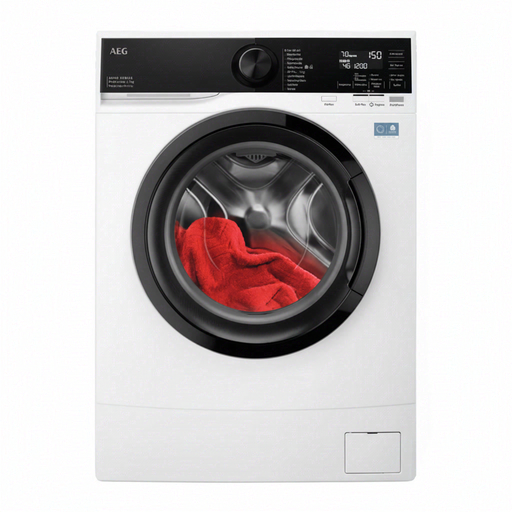 No image available
This 7 kg front-loader may be worth considering if it fits in your space and the care label recommends a suitable programme for your pillowcases.
The product name lists 7 kg, 1400 rpm and energy class A. Before buying, check the machine’s actual dimensions and your pillowcases’ care instructions.
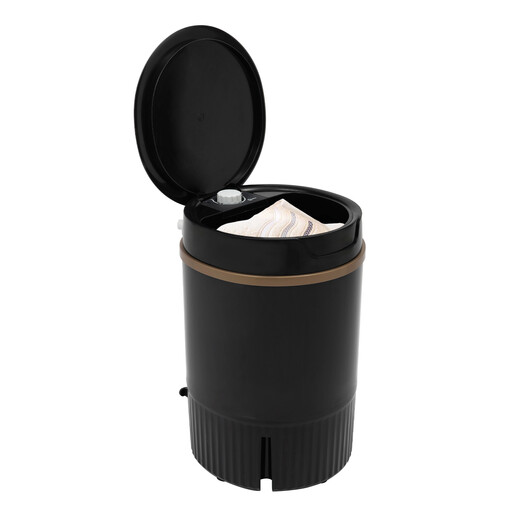 No image available
The product description says this option is designed for small items of laundry; don’t assume it can handle a larger pillowcase without checking first.
The product name lists 4,5 l, 260 W, a spin basket and IPX4. The description limits its intended use to small items of laundry.
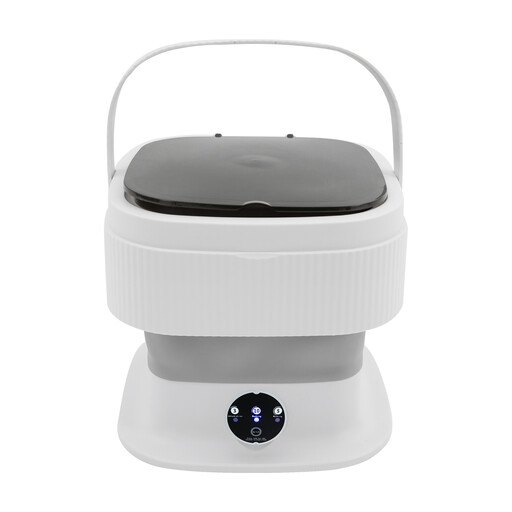 No image available
The foldable design may be useful for small loads when storage space is limited. For pillowcases, check the care instructions and make sure the size and load are suitable.
The product name lists 10 l and a dual-rotation washing action. This doesn’t tell you whether a particular pillowcase will fit.
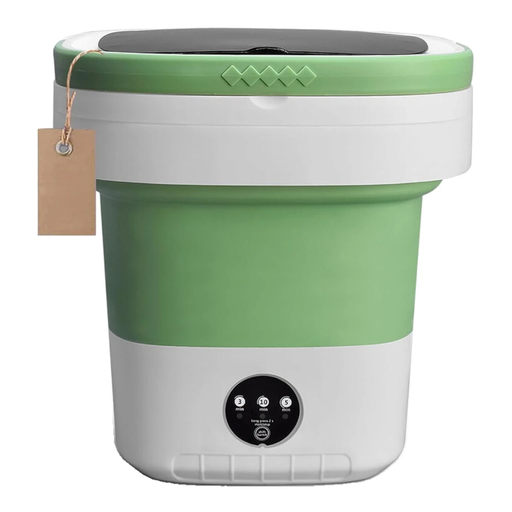 No image available
This portable, foldable design is described as suitable for small loads; a pillowcase won’t automatically be suitable for a machine of this size.
The product name lists 12 l and a spin basket. Before choosing it, check that the specific textile size and care label are suitable.
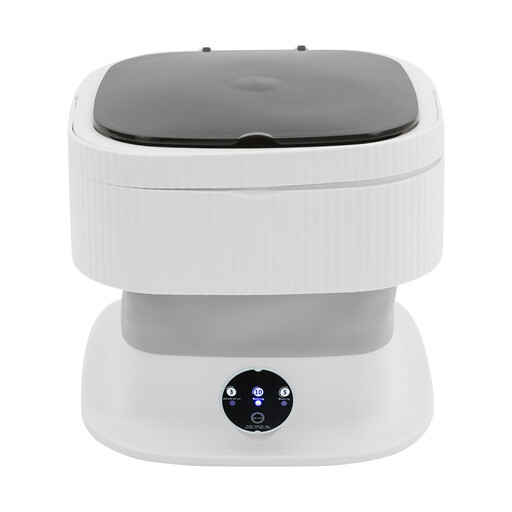 No image available
The foldable design may be handy when storage space is limited. Whether it’s suitable for a pillowcase depends on its size, care label and intended load.
The product name lists 10 l and three wash modes. Check the care symbols before choosing a programme.
No. The wash tub, delicate-wash symbol and temperature specified for each pillowcase determine how it should be washed; the number in the wash tub gives the maximum recommended temperature. Forum Waschen recommends following the care instructions on your textiles.
Only if the relevant care symbol allows tumble drying. GINETEX Germany also explains the symbols for low-temperature drying and for textiles that must not go in a tumble dryer; a washer-dryer doesn’t change these instructions.
Follow the instructions for the specific model on transit bolts, the electricity and water connections, and levelling. Also check the space for the machine, room to open the door or lid, and space for the connecting hoses.
The European Commission lists electricity consumption per 100 Eco wash cycles and water consumption per Eco cycle on the EU energy label. These figures allow you to compare machines using the same programme basis, but they don’t automatically reflect every programme you use or every load size.