Homes with a narrow space for a washing machine
If width is the main constraint and the lid can open upwards, compare narrow top-loaders with the dimensions of your alcove. The Bauknecht WMT Evo 6B model is listed as 40 cm wide.


The right washing machine depends on whether width, depth or height is the main constraint: a top-loader takes up less width, a slimline front-loader needs less depth, and a mini front-loader may fit under a low alcove. Also check the space needed to open the door or lid, the connections and the care label on each pillowcase. The stated rated capacity does not automatically apply to delicate programmes. GINETEX Germany points out that a bar beneath the wash symbol calls for gentler treatment, a smaller load and a lower spin speed.
If width is the main constraint and the lid can open upwards, compare narrow top-loaders with the dimensions of your alcove. The Bauknecht WMT Evo 6B model is listed as 40 cm wide.
Choose a machine based on the care instructions for each removable pillowcase and the load limits of the relevant programme. GINETEX Germany explains that a bar beneath the wash symbol indicates gentler treatment, a smaller load and a lower spin speed.
If depth or height is the limiting factor, check the exact dimensions of each model, including the door, protruding parts and connections. Haier lists the dimensions of its HW50-BP12307U1 mini front-loader as 51 × 49,2 × 70 cm.
A good fit if: width is the main constraint and there is enough room above the machine to open the lid.
The trade-off: The lid needs clear space above, so this design is not a solution for a particularly shallow alcove. Bauknecht lists the WMT Evo 6B as 40 × 60 × 90 cm, with a rated capacity of 6 kg.
A good fit if: depth is limited, but you have roughly the usual amount of width available for a front-loader.
The trade-off: A shallower measurement does not automatically mean a narrower machine. Haier gives an approximate width of 60 cm and a depth of 44–46 cm as a guide for slimline front-loaders; the door and connections may need extra space.
A good fit if: height is also limited and the smaller drum can hold the pillowcases you usually wash together.
The trade-off: A lower rated capacity may mean running several loads for larger quantities of pillowcases. The front door also needs room to open. Haier lists the HW50-BP12307U1 as having a rated capacity of 5 kg.
| Priority | What to check | Especially important for |
|---|---|---|
| Space and room to open | Measure the width, depth and height of the specific model; allow for the door or lid to open and for the connections. | If I have a narrow alcove, the machine and the space needed to open it must both fit. This matters most to around 33% of consumers, for whom width is the main consideration. |
| Caring for pillowcases | Check the care symbols, programme and programme-specific load limit together. | If my pillowcases need gentle treatment, the right programme and an appropriate load are important. Around 27% of consumers put pillowcase care first. |
| Limited depth or height | Measure each point where space is restricted and check the dimensions of the specific model, including any protruding parts. | If my alcove is particularly shallow or low, I need a machine whose depth or height will actually fit. This is the main space-related concern for around 20% of consumers. |
| Consumption and running costs | Compare kWh per 100 Eco 40–60 cycles and litres per Eco cycle on the same basis; do not use these figures to estimate the consumption of a delicate programme. | If running costs matter to me, I want comparable consumption figures rather than estimates applied to every programme. Around 20% of consumers prioritise this. |
The figures on the EU energy label relate to the Eco 40–60 programme shown. The European Commission explains that household washing machines have used the A to G scale since 1 March 2021; Which? uses energy consumption in kWh per 100 Eco cycles as a basis for comparison.
A top-loader needs clear space above the lid, while a front-loader needs room in front of the door. Hoses and protruding parts can also affect the usable depth.
Measure the space and the opening area, then check the specification sheet for the exact model.
Care instructions for gentle treatment may call for a smaller load and a lower spin speed than the machine's rated capacity.
Check the label on each pillowcase against the relevant programme and its load limit. Smaller loads may mean you need to run extra washes.
The current EU scale runs from A to G. The stated consumption relates to Eco 40–60 and does not automatically indicate how much a delicate programme will use.
Compare current labels on the basis of the same programme, and do not treat Eco figures as measurements for other programmes.
The LTR7A70260 top-loader is a specific example for a narrow space.
The WMT Evo 6B is a specific top-loader example for a space with limited width.
The HW50-BP12307U1 is an example of a mini front-loader for a low alcove.
The selection below includes slimline front-loaders, mini front-loaders and narrow top-loaders for different space constraints. The right type depends on the dimensions of your alcove, the room needed to open the machine and the care instructions for your pillowcases.
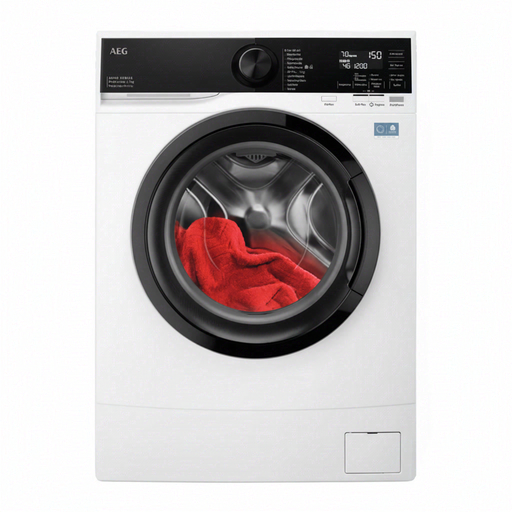 No image available
A slimline front-loader option if your alcove is shallow and there is room in front of the door.
Rated capacity: 7 kg; stated depth: 487 mm; Delicate/Silk programme; 1400 rpm; energy efficiency class A.
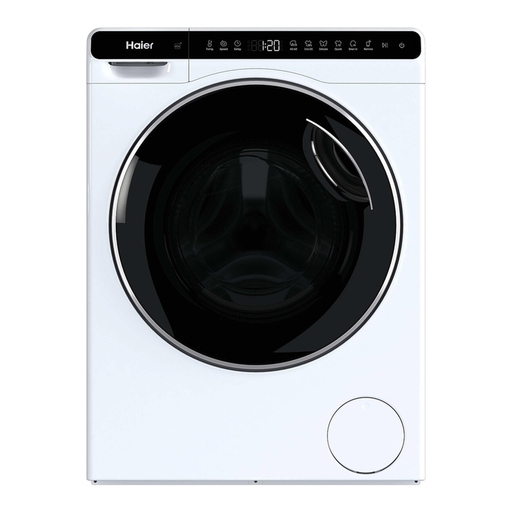 No image available
A mini front-loader option if your alcove is also limited in height and a rated capacity of 5 kg is enough for your pillowcase loads.
Rated capacity: 5 kg; dimensions according to Haier: 51 × 49,2 × 70 cm; 6 programmes.
Larger pillowcase loads may need several washes; the door needs room to open forwards.
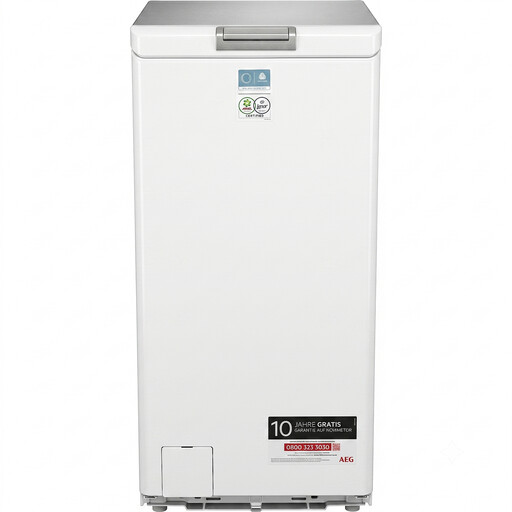 No image available
A top-loader option if width is limited and there is enough room above the machine to open the lid.
Rated capacity: 7 kg; stated dimensions: 59,9 × 39,7 × 90,3 cm; up to 1300 rpm; Delicates and Wool/Silk programmes.
The lid needs clear space above.
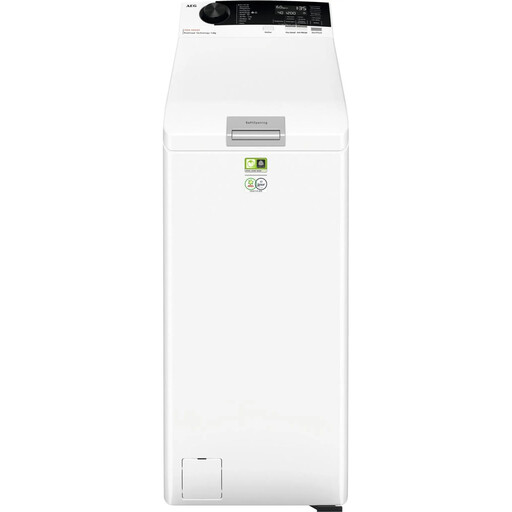 No image available
A top-loader option for a narrow space, provided there is room above the machine to open the lid.
Rated capacity: 6 kg; width: 40 cm; Delicates programme.
The lid needs clear space above.
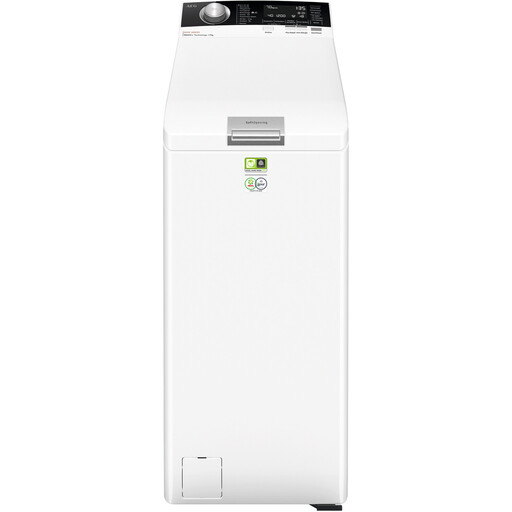 No image available
A top-loader option if width is limited and the lid can open upwards.
Rated capacity: 7 kg; Delicates and Wool/Silk programmes; ProSense.
The lid needs clear space above.
No. The word ‘washable’ on its own is not enough. Follow the care label on each pillowcase: according to GINETEX Germany, a bar beneath the wash symbol calls for gentler treatment, a smaller load and a lower spin speed.
Check the installation instructions for the specific model, the connections and the space needed to open the door or lid. AEG warns against running its front-loaders with the transit bolts still fitted; always follow the instructions for your particular machine.
Since 1 March 2021, the EU label for household washing machines has used the A to G scale and shown, among other things, energy consumption per 100 Eco 40–60 cycles and water consumption per Eco cycle. These figures cannot be applied directly to a different delicate programme.
According to Which?, when you replace an old large appliance with a new one, the retailer responsible for the sale must take back the old appliance. Local authority collection points are another option. Check which return options are available to you before disposal.