Households that wash bedding regularly
You wash pillowcases with other suitable household laundry, so you need to match the load, care labels and programmes.


Choose a washing machine based on the total amount of laundry you usually wash and the space available – not just the number of pillowcases. Check the care label and suitable programmes before comparing the energy and water consumption, spin noise and water-protection features of the specific model. A slim top-loader may suit a narrow space, but it needs clear space above.
You wash pillowcases with other suitable household laundry, so you need to match the load, care labels and programmes.
The usable space, including room to open the machine, will determine whether a front-loader or top-loader is right for you.
You want to wash a few pillowcases without regularly running a large drum with only a small load, and you pay attention to consumption and suitable programmes.
First check the care label and the size of your typical load, then the dimensions and clearance needed to open the machine, and finally the consumption and noise figures for the specific model.
| Consideration | What to check before buying | Who should pay particular attention |
|---|---|---|
| Washing fabrics appropriately | Check the care label, suitable programme and its load limit. The German Environment Agency recommends washing bedding at 40 or 60 °C for hygiene reasons; the care instructions for the individual item remain the deciding factor. | If I want to wash pillowcases in line with their care labels, I pay particular attention to the programmes and temperature. Around 28 % of consumers share this concern. |
| Choosing the right drum size | Compare your typical total load with the rated capacity and the limits of the chosen programme. The German Environment Agency recommends loading delicate and woollen items much less than regular cotton or coloured laundry. | If I regularly wash pillowcases with other suitable laundry, the capacity should suit those loads. Around 22 % of consumers say load size is their top priority. |
| Space and water protection | Check the appliance dimensions, door or lid clearance, access route and connections. The Verbraucherzentrale recommends an integrated water-protection system. | When space is limited, I mainly need to make sure the machine can be opened and the connections are accessible. Around 22 % of consumers are concerned about installation space. |
| Running costs | Compare the EU label figures for the specific model on a like-for-like basis; actual programmes and temperatures may differ from the test programme. | If I care more about running costs than extra convenience features, I want to be able to compare consumption figures clearly. Around 17 % of consumers say consumption is their top priority. |
| Spin noise | Compare the stated noise level during the spin cycle. The maximum spin speed alone does not tell you how noisy the machine is in use. | If the utility room is near a living area, I pay particular attention to spin noise. Around 11 % of consumers share this concern. |
The right capacity depends on the total amount of laundry you usually wash. Some programmes may also have a lower load limit than the machine’s rated capacity.
Work out which items you regularly wash together, then compare that load with the stated limits for the drum and programme.
The programme name does not tell you whether it is suitable for the care needs of a particular pillowcase, or whether its temperature is appropriate for a specific hygiene requirement.
Follow the care label and the appliance manual. If you have a specific hygiene requirement, choose a washing method designed for it.
A front-loader needs space in front for the door to open, while a top-loader needs clear space above. You also need to allow for connections and the route to the installation space.
Before buying, compare the full appliance dimensions and the clearance needed to open it with the space available.
Statutory rights, voluntary warranty cover and the return of an old appliance are separate services.
Check each separately and confirm before buying whether delivery, installation or removal has been agreed.
The freestanding WAN282EK1 front-loader is a comparison model with an 8 kg rated capacity.
The freestanding BM3WFU3841X front-loader offers a point of comparison for capacity, noise level and programme load limits.
The WMT Evo 6B top-loader illustrates a design suited to spaces where width is a key consideration.
The iQ700 WG44B2073 front-loader is a 9 kg option for households with correspondingly larger regular loads.
The W1 WWE380 WPS PWash&Steam&8kg front-loader is a comparison model with convenience features.
The freestanding front-loaders below are aimed at households that wash pillowcases along with other laundry.
 No image available
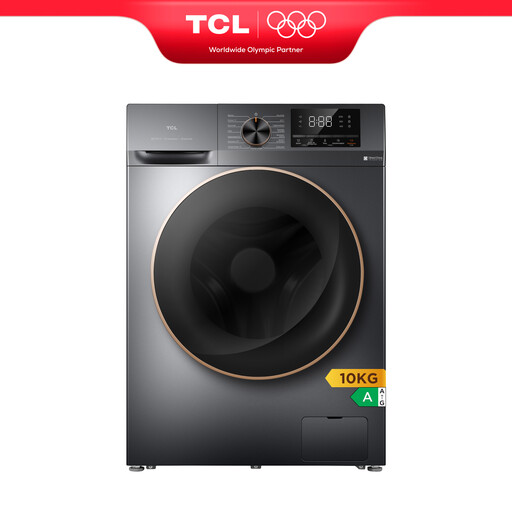
The stated capacity may appeal to households that wash pillowcases with other items; compare it with the size of your usual loads.
10 kg rated capacity; 1400 rpm; steam wash function; 15-minute quick wash; energy efficiency class A.
 No image available
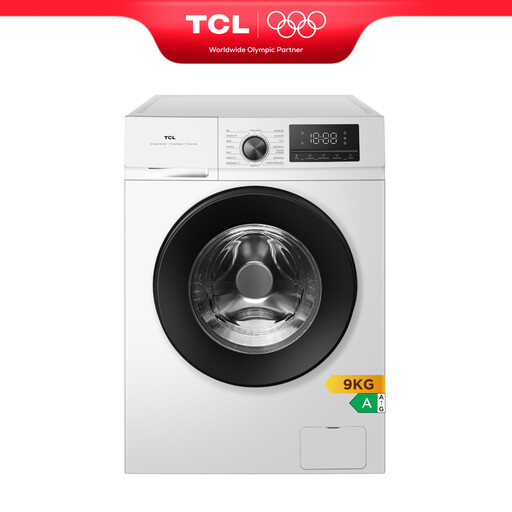
The 9 kg capacity provides a useful benchmark for households that combine pillowcases with other laundry; make sure the programme load limit also suits your items.
9 kg rated capacity; BLDC motor; steam wash function; 15-minute quick wash; energy efficiency class A.
 No image available
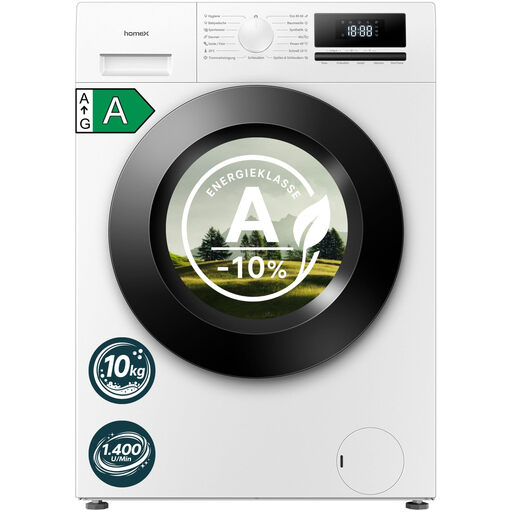
As a freestanding front-loader with a 10 kg capacity, this model is a useful comparison for households looking at their regular total load.
10 kg capacity; 1400 rpm; steam function; energy efficiency class A.
 No image available
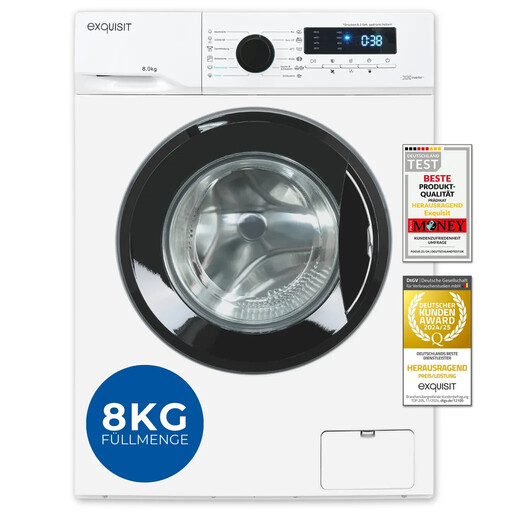
The stated capacity may suit households that want to wash pillowcases with a suitable amount of other laundry.
8 kg capacity; maximum 1400 rpm; 13 programmes; energy efficiency class A.
 No image available
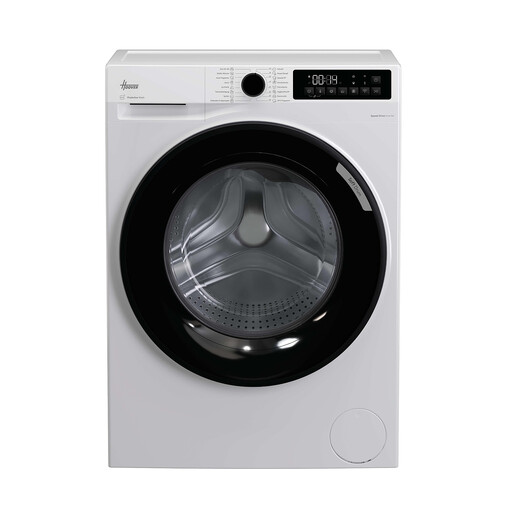
The 9 kg capacity is a useful benchmark for your regular total load; also check the load limit for the programme you choose.
9 kg capacity; 1400 rpm.
No, not necessarily. The German Environment Agency recommends washing bedding at 40 or 60 °C for hygiene reasons; the care label for the specific pillowcase determines which temperature it can withstand. A specific infection risk may call for further hygiene advice.
Check the installation dimensions, clearance for opening and the electrical, water inlet and drain connections against the instructions for the specific model. Remove the transit bolts according to the installation instructions; AEG specifically warns that a front-loader must not be operated with the transit bolts still in place.
Choose a capacity that suits your usual household laundry and follow the programme’s load limit. The German Environment Agency recommends filling the machine as much as possible for regular cotton or coloured laundry, while loading delicate and woollen items much less. Set the temperature and choose detergent according to the fabric and how dirty it is.
If the machine develops a fault, you may have statutory rights against the seller; the specific requirements depend on the circumstances. The German Federal Ministry for the Environment states that local collection points accept waste electrical appliances regardless of their size. If you arrange for a retailer to take back the old machine, check the relevant conditions, collection arrangements and any additional services in advance.