What should you look for when buying?
First decide what matters most in your day-to-day routine: washing shared loads, having school clothes ready at short notice, finding a suitable place for the machine or keeping consumption in check. Then check the specifications and conditions for the model you’re considering.
| Criterion |
What to check |
Who is this important to? |
| Capacity and laundry planning |
Compare the rated capacity with the shared loads you typically wash, and check the maximum load for the programmes you need. |
When we coordinate laundry for several people, I want to make sure the drum size and programme suit our usual loads; around 33 % of consumers put managing shared laundry first. |
| Wash time and fabric care |
Check the quick programme’s duration and load limit, as well as which programmes suit the care labels on your clothes. |
When school clothes are needed again at a set time, I need a suitable wash cycle, not just a short run time; around 27 % of consumers prioritise getting laundry washed on time and in a way that’s right for the fabric. |
| Installation space and water protection |
Measure the space and clearance needed to open the door; check spin noise, connections, water protection and any arrangements for the installation location. The Verbraucherzentrale recommends involving your landlord before installing a machine in a rented home. |
When the machine is near shared living areas, I want to check the dimensions and connections in advance and minimise disruption to other residents; around 20 % of consumers prioritise a suitable and safe installation location. |
| Electricity and water consumption |
Compare the EU label figures for electricity per 100 cycles, water per cycle and programme duration on a like-for-like basis. The European Commission bases these figures on the standardised Eco-40-60 programme. |
When several people use the machine frequently, I want to factor standardised consumption into our laundry planning; around 20 % of consumers put electricity and water consumption first. |
Washing machines at Joybuy
These product suggestions cover washing machines for shared laundry and different washing schedules. Before choosing, check that the capacity and programmes suit your loads and the care labels on your clothes.
 No image available
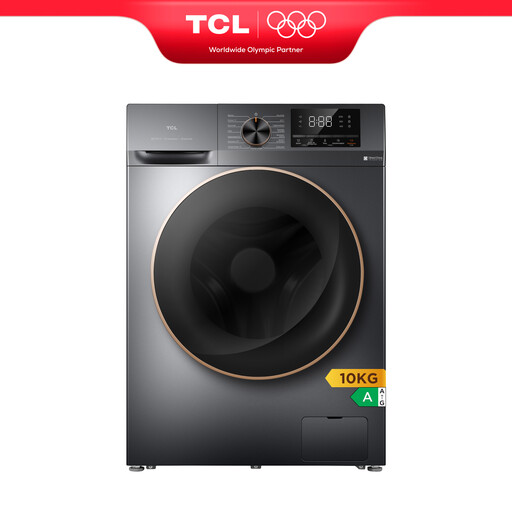
TCL FP2210SA0AMDE, 10 kg
The stated capacity could be a useful starting point if your household regularly has larger loads to wash together.
Features listed in the product name: 10 kg, Smart DD Motor, steam wash, 15-minute quick wash, child lock and delay start.
View at Joybuy
 No image available
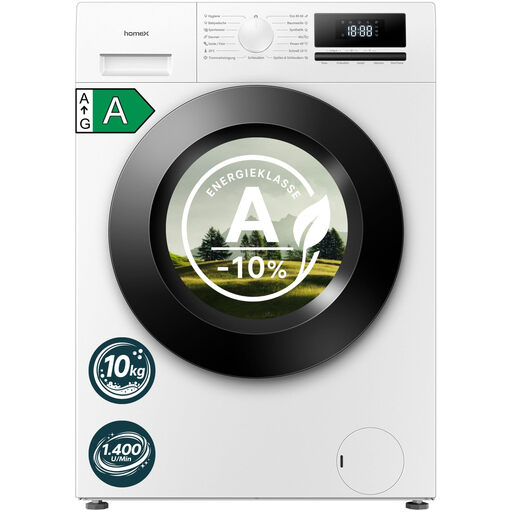
homeX WF1014H1A-W, 10 kg
This model may suit households looking for a stated capacity of 10 kg and a quick programme.
Features listed in the product name: front-loading, 10 kg, 1.400 rpm, steam function, inverter motor and energy class A. The 15-minute programme is designed for small, lightly soiled loads.
View at Joybuy
 No image available
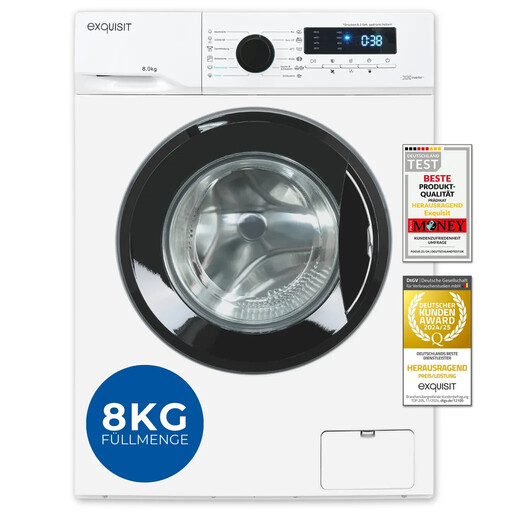
Exquisit WA58014-020A, 8 kg
The stated capacity and quick programme give you specific details to compare with your typical loads and available wash times.
Features listed in the product name: 8 kg, energy class A, maximum 1.400 rpm, 13 programmes, delay start and child lock.
View at Joybuy
 No image available
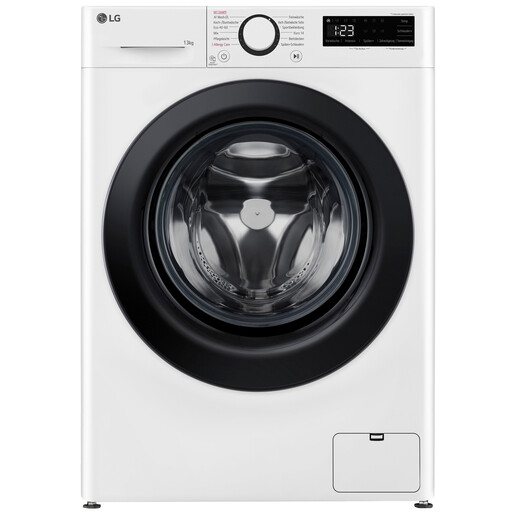
LG F4WR5035, 13 kg
The stated capacity may be useful for larger shared loads; also check that the programmes suit the different fabrics you wash.
Features listed in the product name: front-loading, 13 kg and 1.360 rpm. According to the product information, the Add-Item function is only available with supported programmes.
View at Joybuy
 No image available
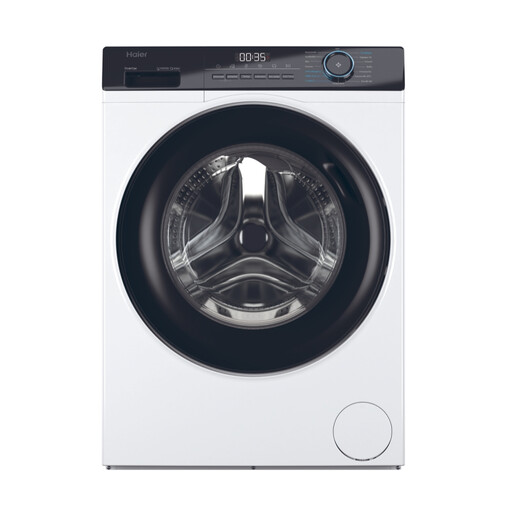
Haier I-PRO SERIES 3, 9 kg
If you have limited time for washing, it’s worth checking whether the express programme is suitable for the load in question.
Features listed in the product name: 9 kg and maximum 1.400 rpm. According to the product information, the 15-minute express programme is designed for lightly soiled laundry.
View at Joybuy
Frequently asked questions
What should I check first when washing different school clothes?
Check the care labels, as well as the type and severity of any stains. Separate items with different care requirements, try not to let stains dry in and use the right amount of detergent for the load size, how dirty the clothes are and the water hardness.
What should I check before installing a machine in a shared home?
Measure the space and the clearance needed to open the door, and check the water and electricity connections, as well as any arrangements for the installation location. For a rented home, the Verbraucherzentrale recommends discussing the installation with your landlord and taking water protection into account; this isn’t a blanket ban on installing a machine in every rented home.
Which figures can help me compare consumption?
The EU label includes figures such as electricity use per 100 cycles, water use per cycle, programme duration and spin noise. These figures are based on the standardised Eco-40-60 programme; actual consumption depends on how you use the machine.
What can I do if the shared washing machine smells unpleasant?
Don’t leave the machine closed while it’s still damp. The Verbraucherzentrale notes that washing only at low temperatures or using only liquid detergent can contribute to unpleasant smells; also follow the appliance instructions for cleaning and care.
Which energy label scale applies to new household washing machines?
Household washing machines covered by EU requirements use the current A to G scale. The European Commission introduced this scale on 1 March 2021; the former A+++ scale is no longer the current basis for comparing new appliances.


