Families with limited space
If an alcove or passageway limits where you can put your machine, width, depth and clearance for opening it all matter. The key is finding a style that genuinely fits the space available.


First, measure the width and depth of the space, as well as the clearance needed for the lid or door and the connections. A top-loading machine may help if width is the main constraint; a slimline front-loader may be an option if depth is limited and you have around 60 cm of width. Then choose a capacity and programmes to suit your usual laundry load and the care labels.
If an alcove or passageway limits where you can put your machine, width, depth and clearance for opening it all matter. The key is finding a style that genuinely fits the space available.
If clothes are stained to different degrees or need delicate care, choose programmes that match their care labels. A blanket promise that a quick wash can handle every load won’t help you choose.
If school uniforms need to be ready again soon, plan for the full routine: wash time, spin cycle and a realistic way to dry them.
A good fit if: width is the main constraint and there’s enough clearance above the machine to open the lid.
Bear in mind: The space above the machine must remain clear, and capacity and spin noise vary by model.
A good fit if: depth is limited, but you have around 60 cm of width and enough room to open the door.
Bear in mind: “Slimline” can mean a shallower depth, not a narrower width; hoses and connections also need space.
A good fit if: there’s enough room for the machine and its open door, and a larger drum suits the amount of laundry you do.
Bear in mind: A front-loader isn’t automatically space-saving; Bosch lists the WAN28127 as 598 mm wide and 590 mm deep.
A good fit if: you don’t have a practical way to dry clothes as well as a space for a washing machine.
Bear in mind: The German Environment Agency recommends choosing a washing machine on its own where possible, as washer-dryers use considerably more energy. For combined appliances, compare the figures for washing and for washing plus drying separately.
| Buying criterion | What to check | Who is this important to? |
|---|---|---|
| Space and machine style | Check the width, maximum depth, height, opening clearance and hose routing for the specific model. | If an alcove or passageway limits where I can put the machine, I want to know whether the appliance and its door will really fit. Around 31% of consumers put the available space first. |
| Stains and fabric care | Read the care labels and check which programmes are suitable, along with their permitted load sizes. | If school uniforms are stained or made from fabrics with different care needs, I want to choose a programme that suits them. Around 25% of consumers focus above all on stains and fabric care. |
| Washing and drying time | Check programme duration and permitted load size in the manual, and plan a suitable place to dry clothes. | If clothes are needed again soon, the whole process from washing to drying matters to me. Around 19% of consumers prioritise the time available. |
| Spin noise | Compare the dB rating during the spin cycle for the specific model and install the machine level, following the instructions. | If the machine is near living or sleeping areas, I want to pay particular attention to how noisy it is during the spin cycle. Around 13% of consumers prioritise keeping noise down where the machine is installed. |
| Energy use and running costs | Compare kWh per 100 eco wash cycles, litres per eco cycle and drum capacity against the amount of laundry you usually do. | If I do laundry regularly, I want to compare the stated consumption figures with how I use the machine. Around 12% of consumers focus primarily on energy use and running costs. |
The figures on the EU energy label are based on the eco 40–60 programme. They don’t, on their own, tell you how much another programme or your own washing routine will use. A quick programme saves time, but according to the German Environment Agency, it doesn’t automatically save energy.
A shallow front-loader can still be almost 60 cm wide. A top-loader, meanwhile, needs room for its lid to open upwards.
Measure the width and depth separately, and allow for the door or lid to open as well as space for hoses and connections.
The figures on the label are based on eco 40–60 and can’t simply be applied to every other wash programme.
Compare the label figures, then check which programmes you’ll actually use for school uniforms.
The German Environment Agency distinguishes between shorter cycle times and lower energy use: a quick programme doesn’t automatically save energy.
Use a quick programme when time is short and it’s suitable for the fabrics and load; don’t judge energy use on cycle time alone.
Features can vary from one model to another. For the Bosch WAN28127, the product page explicitly lists AquaStop as “No”.
Check the water protection system on the exact appliance, and confirm the installation and insurance requirements for your chosen location.
The models featured here offer different space-saving options: a slim top-loader and a shallower front-loader.
The WMT Eco Star 626 A is a top-loader with documented specifications, designed for a narrow space.
The Series 4 front-loader WAN28127 is a useful size comparison if you have room for a standard appliance.
This selection includes top-loaders and front-loaders, with models to suit different spaces. For each appliance, check the dimensions, clearance needed to open it and whether its programmes are suitable for your laundry.
 No product image available
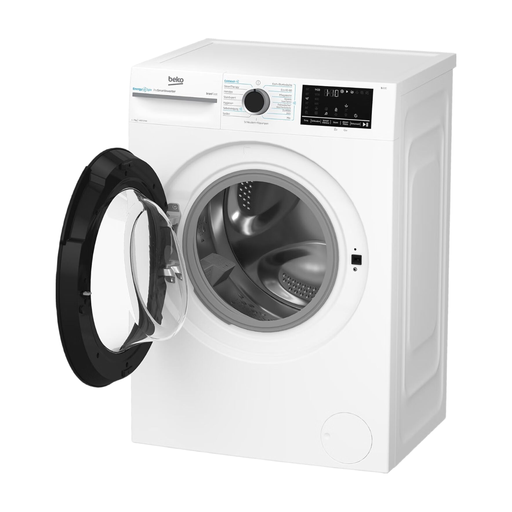
An option if you’re looking for a front-loader with a slim-fit design and need to wash larger loads.
The product name lists a 9 kg capacity and 1,200 rpm. Check the actual depth and allow enough room to open the door at the installation site.
 No product image available
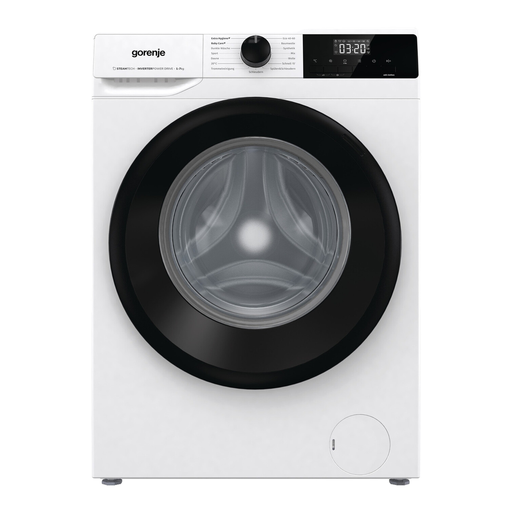
If school uniforms have different types of stains, the programmes listed in the product description may help you decide.
The product name lists a 7 kg capacity and 1,400 rpm. Check that the programmes suit the care labels and your usual load size.
 No product image available
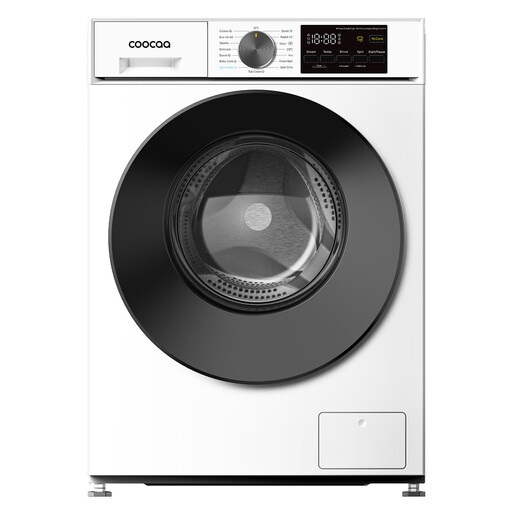
If depth is limited where you plan to put the machine, this model may be worth considering. Compare its specifications with the space available.
The product name lists a 7 kg capacity and 1,400 rpm. Check the actual depth, including connections and hose routing.
 No product image available
A possible choice if you’re looking for a shallower front-loader; measure the space, including connections and room for the door to swing open.
The product details list dimensions of 595 × 440 × 850 mm and an A energy rating. According to the product description, the 15-minute quick programme is intended for lightly soiled laundry.
 No product image available
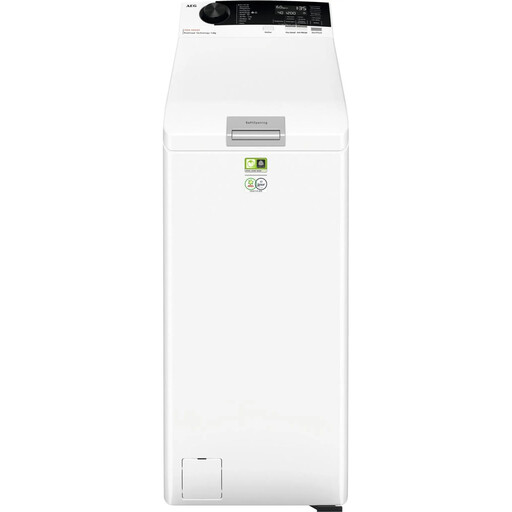
This top-loader may suit you if width is the main constraint and there’s room above the machine to open the lid.
The product details list a 6 kg capacity and a width of 400 mm. Check that the lid can open fully and that connections won’t be obstructed at your chosen location.
According to the EU description, this programme is intended for normally soiled cotton laundry whose care labels allow washing at 40 °C or 60 °C. Check the care label on every garment; the programme name doesn’t mean it’s suitable for every uniform.
Check the water, waste and electrical connections, as well as the space and water protection. The consumer advice centre recommends discussing the installation with your landlord. Before using the machine, remove the transit bolts as instructed and make sure it is level.
No. A shorter cycle doesn’t automatically mean lower energy use. The German Environment Agency distinguishes between saving time and saving energy; check that the programme and load are suitable for your fabrics.
Dose detergent according to the water hardness and how soiled the laundry is. The German Environment Agency also recommends running a wash at 60 °C regularly to help prevent bacteria from growing. Follow the appliance manual for care and maintenance.