What to look for when buying
First, check the load capacity for the programme you’ll use for your cloths and make sure the machine fits the space available. Then consider whether to wash small loads straight away or combine them with other suitable laundry.
| Priority |
What to check before buying |
Who this matters to |
| Consumption for small loads |
Check for load adjustment and the permitted load for each programme. The European Commission notes that the energy label is based on Eco 40–60 and doesn’t show the consumption of every quick-wash or small-load programme. |
If I often wash flannels on their own or in small loads, consumption on the programme I actually use is what matters. Around 36 % of consumers put consumption for small loads first. |
| Washing conditions for cloths |
Check the care label and choose a suitable programme. The German Environment Agency recommends 40 or 60 °C for items including towels for hygiene reasons; this isn’t a blanket temperature recommendation for every face cloth. |
If I want to choose the right washing conditions for cloths used close to the body, I look at the fabric and programme rather than relying on a hygiene claim alone. Around 29 % of consumers prioritise washing hygiene. |
| Dimensions and clearance |
Compare the alcove, connections and space needed for the open door or lid with the specific machine’s installation dimensions. |
If I have to use a particular space, I need to be able to operate the machine there, including opening its door or lid. Around 21 % of consumers put a suitable size and design first. |
| Quick availability |
Check the manual for the maximum load, temperature and intended level of soiling for the specific quick programme. According to the German Environment Agency, a shorter cycle doesn’t automatically use less energy. |
If I need lightly soiled cloths again soon, a programme designed for that purpose matters – but I can’t automatically assume it will be hygienic or economical. Around 14 % of consumers prioritise shorter waiting times. |
Relevant brands and model features
The notes below refer to the specific models named; manufacturers’ descriptions of features and performance aren’t independent comparison results.
AEG
The LSR6FA70268 combines a 6 kg rated capacity with a shallow design.
- According to AEG, ProSense adjusts the time, water and energy used for smaller loads.
- AEG gives this model a maximum depth of 416 mm. Load adjustment doesn’t prove that it will always use less energy than other machines.
Beko
The B3WFU57413W1 is a front-loading machine with a 7 kg rated capacity.
- Beko states that the Xpress programme takes 14 minutes for loads of up to 2 kg.
- This programme description applies to the intended use of the quick wash; it doesn’t cover every hygiene requirement.
Bosch
The WUU28T22 is an under-counter front-loading machine with a 9 kg rated capacity.
- Bosch promotes this model’s water adjustment for smaller loads, as well as its Hygiene Plus function.
- The 9 kg capacity should suit the rest of your household’s laundry needs; these feature descriptions come from the manufacturer.
Siemens
The WG56B2A42 is a front-loading machine with a 10 kg rated capacity.
- Siemens describes the Mini-load function as suitable for individual items and small loads.
- If you mostly wash very small loads, weigh the large rated capacity against your household’s actual needs.
Joybuy product selection for small laundry loads
The Joybuy range includes household washing machines with capacities of 6 to 7 kg, as well as mini washing machines for very small amounts of laundry. Their capacities and washing methods vary considerably, so compare only machines that suit your actual laundry needs.
 No image available
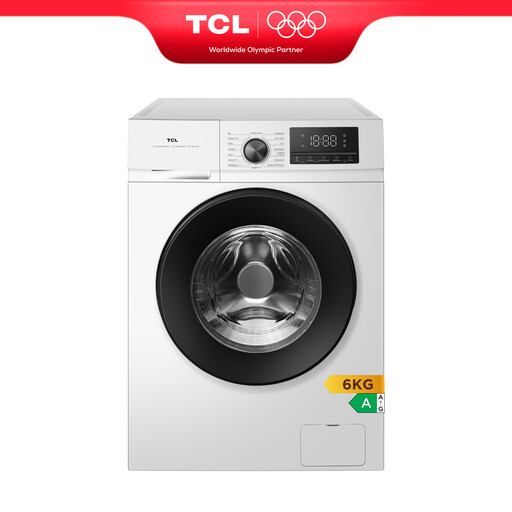
TCL FF0106WA2AMDE washing machine, 6 kg
A good fit for a household looking for a 6 kg washing machine with a quick wash for lightly soiled laundry. A short cycle doesn’t automatically mean the programme is suitable for every washing requirement or especially economical.
6 kg rated capacity; 15-minute quick wash; Steam Wash; BLDC motor.
View at Joybuy
 No image available
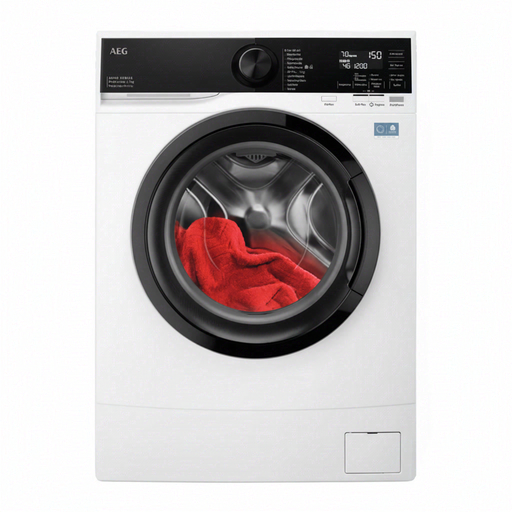
AEG LSR6FA75470 6000 Series ProSense washing machine, 7 kg
A possible choice if you want to wash small loads alongside other household laundry in a 7 kg machine. The 20-minute programme is specified for loads of up to 3 kg of lightly soiled laundry.
7 kg rated capacity; 1,400 rpm; ProSense; 20-minute programme for 3 kg.
View at Joybuy
 No image available
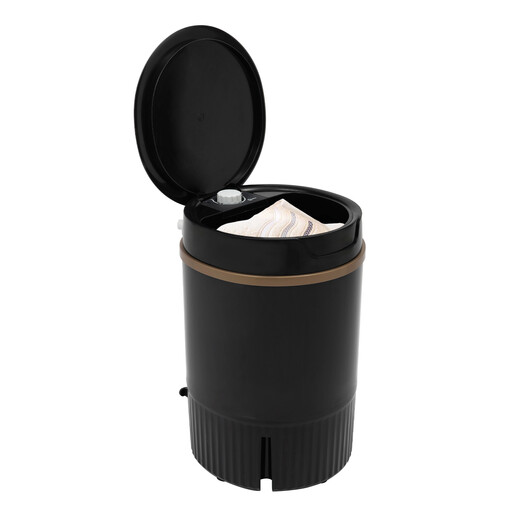
Semi-automatic mini washing machine, 4.5 l, 260 W
Designed more for individual small items than for a mixed household load. The stated maximum load is 0.8 kg.
4.5 l capacity; wash cycle from 1 to 10 minutes; 3-minute spin cycle with basket.
View at Joybuy
 No image available
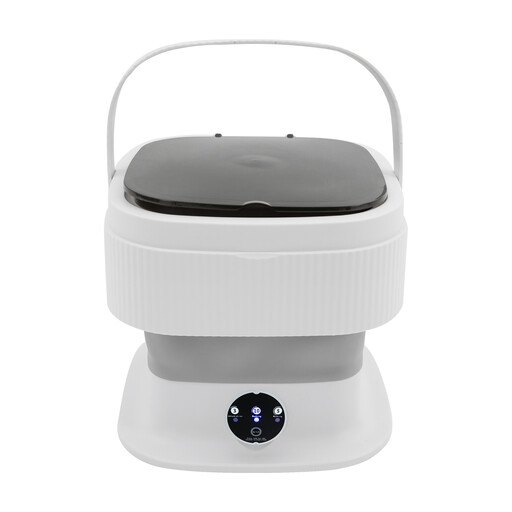
Foldable semi-automatic mini washing machine, 10 l
Worth considering for small, delicate fabrics if you’re looking for a separate compact machine. The product description lists socks among the items it’s designed for.
10 l capacity; foldable design; timed programmes of 2, 5 or 10 minutes.
View at Joybuy
 No image available
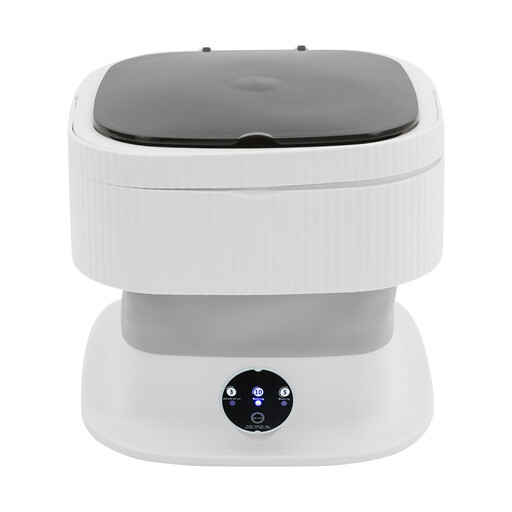
Foldable semi-automatic mini washing machine, 10 l/2.64 gal
For small loads if you’re looking for a foldable machine. According to the product description, laundry remains damp after spinning; this machine isn’t a tumble dryer.
10 l capacity; three wash modes; 320 rpm motor.
View at Joybuy
Frequently asked questions
Do I always need to wash face flannels at 60 °C?
No, there’s no blanket requirement to wash every face flannel at 60 °C. The German Environment Agency recommends 40 or 60 °C for items including towels for hygiene reasons. For a specific cloth, also follow its care label and choose a suitable programme.
Is a quick programme especially economical because it runs quickly?
Not automatically: according to the German Environment Agency, quick programmes mainly save time, not necessarily energy. Check the programme’s load limit and intended level of soiling, and compare consumption figures only under like-for-like conditions.
What dimensions should I check before installing a washing machine?
Measure the space, including the connections and the clearance needed for the open door or lid. Then compare these measurements with the installation details for the specific model; the design alone doesn’t guarantee that it will fit.
How can I keep running costs down?
Avoid unnecessarily small loads if you can sensibly combine them with other suitable laundry. The German Environment Agency notes that higher temperatures use more energy; the German consumer advice centre recommends dosing detergent according to the amount of laundry, how soiled it is and the local water hardness.
Which energy efficiency scale applies to household washing machines?
Since 1 March 2021, the EU energy label has used the A to G scale for the household washing machines and washer-dryers it covers. The European Commission also lists information including energy consumption for 100 cycles; an older A+++ rating isn’t the same as the current scale.


