What to look for when buying
First, measure the space and room needed to open the machine. Then compare care programmes, drum capacity, noise and consumption figures on a like-for-like basis.
Since 1 March 2021, the EU energy label for washing machines has used a scale from A to G, as explained by the European Commission. The consumption figures shown are based on specified programmes and testing conditions.
| What matters |
What to check |
Who it matters most to |
| Dimensions that fit |
Measure the width, depth and clearance needed for the lid or door. |
If I have a narrow space, I’ll also measure the room needed to open the machine before choosing a design. Around 26% of consumers put suitable external dimensions first. |
| Care for towels |
Check the care label and the wash programmes you can actually select. |
If I want to wash towels in a way that suits the fabric and my household, I’ll check the temperature options on the specific machine. Around 21% of consumers say suitable towel care is their top priority. |
| Drum capacity |
Choose a rated capacity that suits the amount of laundry you wash overall. |
If I only have a few towels, I’ll factor in the rest of my laundry rather than choosing a machine based on a single load. Around 21% of consumers put the right drum capacity first. |
| Noise and water protection |
Check the stated spin noise level and water protection system. |
If the machine is in my flat, I’ll consider how noisy it is during the spin cycle and how well it protects against leaks. Around 16% of consumers prioritise these risks at home. |
| Electricity and water costs |
Compare kWh per 100 Eco 40–60 cycles and litres per Eco cycle. |
If I want to understand the running costs, I’ll compare the declared figures on the same energy label basis and take my own usage into account. Around 16% of consumers say total costs are their top priority. |
Washing machines at Joybuy
The following Joybuy models include front-loaders and top-loaders for limited spaces, with a range of drum capacities.
 No image available
LG F2X7SLIM9W washing machine, 9 kg, 1200 rpm, Slim Fit, AI DD, Steam, TurboWash 360°, ThinQ, energy class A
The Slim Fit design makes this model worth considering if space is limited. Check the actual dimensions and make sure the 9 kg capacity suits the amount of laundry you wash overall.
The product name lists a capacity of 9 kg, 1200 rpm and energy class A.
View at Joybuy
 No image available
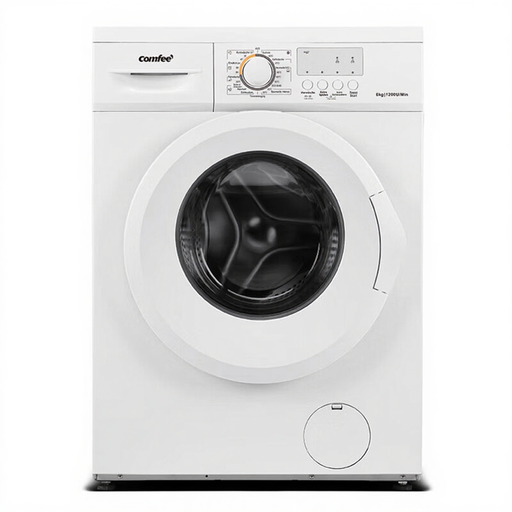
Comfee Slim Line washing machine, 6 kg, 1200 rpm, energy class D
Listed as a front-loader with a shallow depth, this model may suit a tight space. Check the actual dimensions and door swing before choosing it.
The product name lists a capacity of 6 kg, 1200 rpm and energy class D. Short programmes of 15, 30 and 45 minutes are also mentioned.
View at Joybuy
 No image available
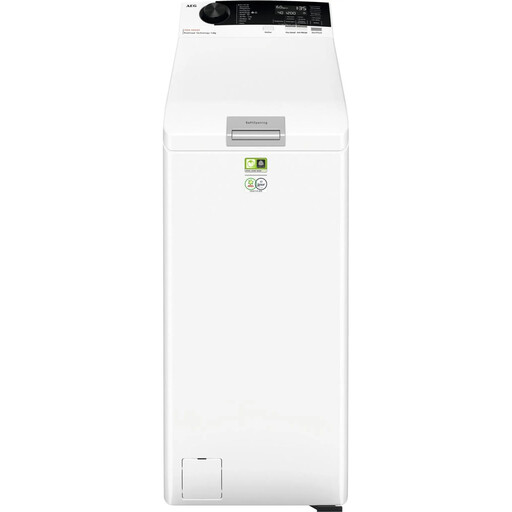
AEG 7000 ProSteam LTR7A70260 top-loader, 6 kg
This 6 kg top-loader may suit a narrow space. Also measure the depth and the clearance needed to open the lid.
The product name gives a rated capacity of 6 kg.
View at Joybuy
 No image available
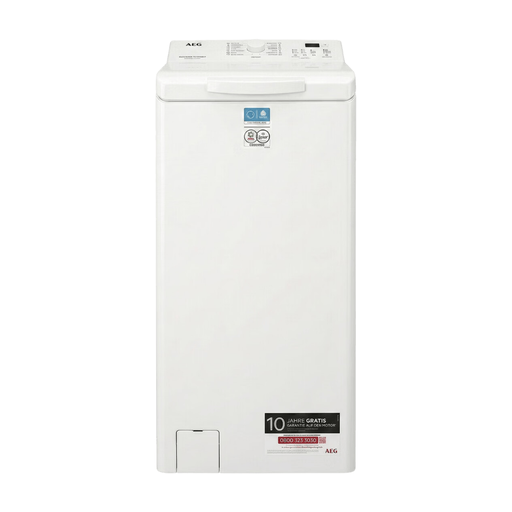
AEG LTR6A41460 top-loader with ProSense, 6 kg, 1400 rpm, energy class A
This 6 kg top-loader may be a good choice if width is limited; remember to allow for its depth and lid opening, too. AEG says ProSense on this model adjusts the time, water and energy consumption to the size of the load.
AEG lists a width of 40 cm and 42 kWh per 100 Eco cycles for this model. The label figure doesn’t guarantee the consumption for a single small load of towels.
View at Joybuy
 No image available
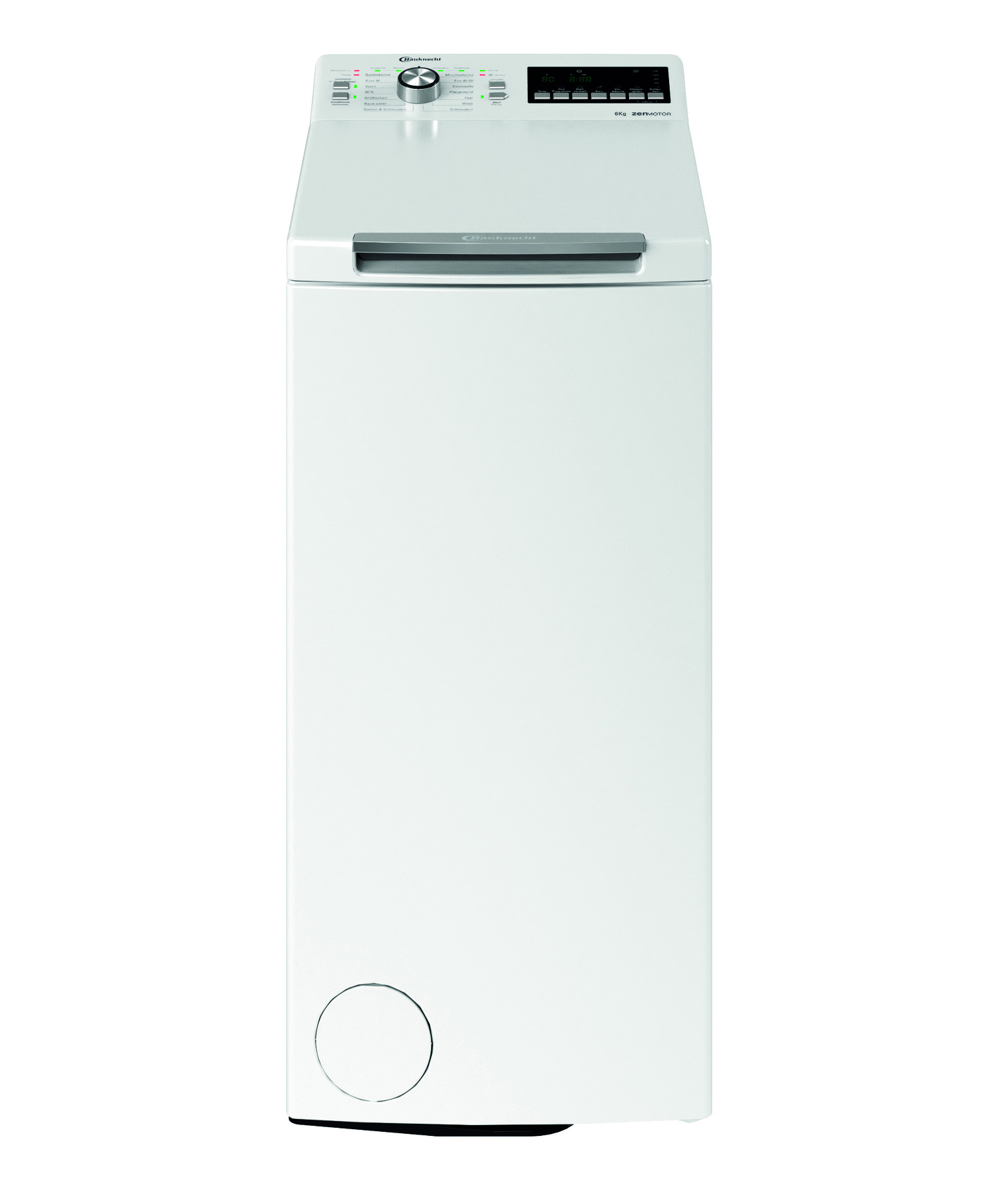
Bauknecht WMT Star 6ZB top-loader, 6 kg, 1200 rpm, energy class B
This 6 kg top-loader may be an option if width is limited. Check the full dimensions and make sure the lid can open freely where you plan to install it.
The product name lists a capacity of 6 kg, 1200 rpm and energy class B.
View at Joybuy
Frequently asked questions
Do towels always need to be washed at 60°C?
No. For hygiene reasons, the German Environment Agency recommends 40 or 60°C. For normally soiled laundry in a healthy household, there’s no need for additional laundry disinfection. Further hygiene measures may be necessary if someone has a contagious illness. Always follow the care label.
Is Eco 40–60 the same as a 60°C wash?
No. As AEG explains in its programme information, you can’t freely set the temperature for Eco 40–60. If you want to choose a particular wash temperature, check whether another suitable programme is available on the specific model.
What should I check before installing a washing machine in a rented flat?
Measure the space and room needed to open the machine, check the existing water and waste connections, and consider your specific tenancy and insurance arrangements. The Consumer Advice Centre highlights the risk of water damage caused by washing machines. Check what applies to your own policy.
What does the energy label tell me about my washes?
Among other things, the label shows kWh per 100 Eco 40–60 cycles, water consumption per Eco cycle, rated capacity and spin noise. The European Commission describes these figures as applying under specified conditions; they don’t guarantee the same consumption for every small load of towels.
What are my rights if something is faulty?
For an ordinary purchase, § 438 BGB generally sets a two-year limitation period for claims relating to defects, starting from delivery. This is separate from any additional manufacturer’s guarantee; check the terms of any optional service plan.


