People with a tight laundry space
When space is limited, the machine's width and depth, the connections and the direction in which it opens all need to suit the space available.


For washing cotton shorts in a small flat, start by looking at the space available. A top-loader may work if width is limited but there is room above the machine for the lid; a slimline front-loader is a better fit if you have enough width but limited depth. A compact machine could be an option if height is restricted. If there is no suitable space for a machine, consider using a shared laundry room. Choose the drum size and programmes to suit your regular washing loads, and compare the energy consumption and water protection specifications for the model you are considering.
When space is limited, the machine's width and depth, the connections and the direction in which it opens all need to suit the space available.
If you wash shorts with other suitable items, choose a drum size to match your usual loads rather than individual garments.
If the machine is near your living space, check its spin noise, that there is a suitable water connection and that it has protection against water damage.
Measure the space, including the connections and room needed to open the machine, before comparing designs and drum sizes. Then check the energy consumption, noise and water protection specifications for each model.
A good fit if: The space is narrow and there is room to open the lid upwards.
Keep in mind: You need room above the machine to load it. The width and depth vary by model.
A good fit if: You have around 60 cm of width but limited depth, and there is room for the door to open forwards.
Keep in mind: The machine's depth alone does not account for the connections or the space needed for the open door.
A good fit if: The available height is limited as well as the floor space.
Keep in mind: The height, connection space and door opening all need to suit the specific location.
| Buying consideration | What to look for | Who it matters most to |
|---|---|---|
| Space and access for loading | Measure the width, depth and height, including space for connections. Allow room in front of the door or above the lid. | If my space is tight, I want to know before choosing whether the machine will fit and have room to open. Space is the top priority for around 29% of consumers. |
| Drum size and programmes | Choose a capacity to suit your usual combined washing loads and check the care labels. The German Environment Agency points out that quick programmes do not automatically save energy. | If I wash shorts with other suitable items, I want a drum that suits my regular loads. Small washing loads are a particularly important consideration for around 23% of consumers. |
| Spin noise | Compare the airborne noise emissions during spinning on the energy labels for the models you are considering. | If the machine is close to my living space, I want to compare the spin noise before choosing. Noise is the top priority for around 18% of consumers. |
| Water protection and connections | Check the available connections and the machine's built-in water protection system. The consumer advice centre recommends considering water protection when buying. | If the machine is in my flat, I want to check the connection and protection against water damage. Water protection is the top priority for around 18% of consumers. |
| Energy consumption and running costs | For suitable machines, compare the electricity consumption per 100 Eco 40–60 cycles and the water consumption per cycle on the energy label. | If running costs matter to me, I want to compare consumption figures using the same energy label criteria. This is the top priority for around 12% of consumers. |
A narrow top-loader and a shallow front-loader solve different space problems. Hoses and the door or lid also need room to open.
Measure the space, including room for connections and opening the machine, and check the model's full dimensions.
The German Environment Agency distinguishes between saving time and saving energy. The consumption figures on the energy label are based on Eco 40–60.
Compare energy label figures on the same basis and choose a programme to suit the care label and your washing.
The Haier model numbers HW50-BP12307AU1 and HW50-BP12307U1 are different. Similar names alone do not prove that they are the same version.
Check the full model number and the features that matter to you before choosing a machine.
The LTR6A41460 and LSR6FA70269 are examples of a 6 kg top-loader and a 6 kg slimline front-loader.
The WMT Eco Star 626 A is an example of a narrow top-loader with a 6 kg capacity.
The HW50-BP12307AU1 is a compact front-loader with a 5 kg capacity.
The WML61423N1 is an example of a 6 kg front-loader with a reduced depth.
This selection includes slimline front-loaders and a top-loader for spaces with limited room. As well as checking the machine's dimensions, allow for the connections and the way it opens.
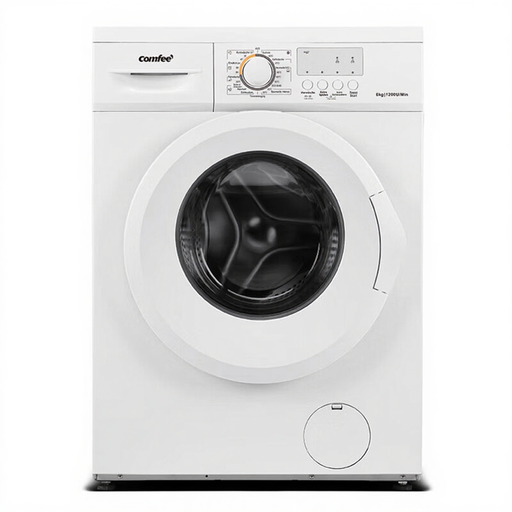 No image available
A possible choice if depth is limited and you want programmes for cottons.
40 cm deep; energy class D; 80 dB noise emissions; cottons programmes and Eco 40–60.
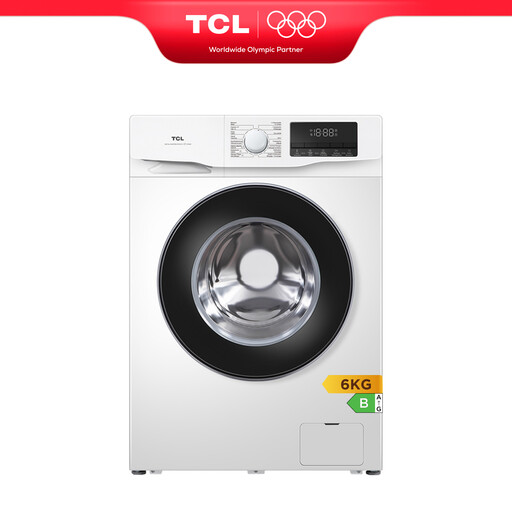 No image available
Could be a good fit if depth is limited and you want a function that adapts to different load weights.
45 cm deep; energy class B; BLDC inverter motor; Auto-Weight function; Add-Garment function.
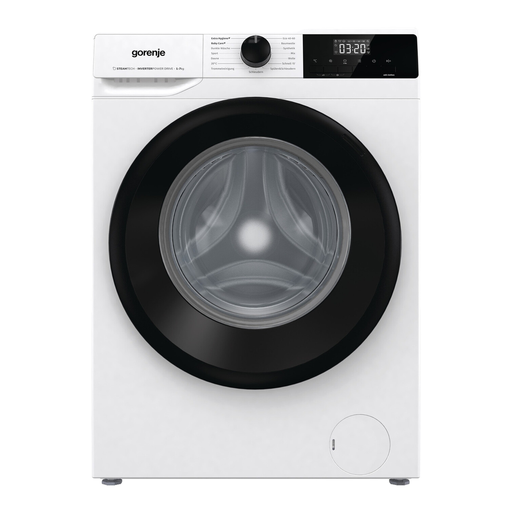 No image available
An option for cottons and Eco 40–60, if the stated depth suits your space.
46,5 cm deep; energy class A; cottons programme; Eco 40–60; AquaStop.
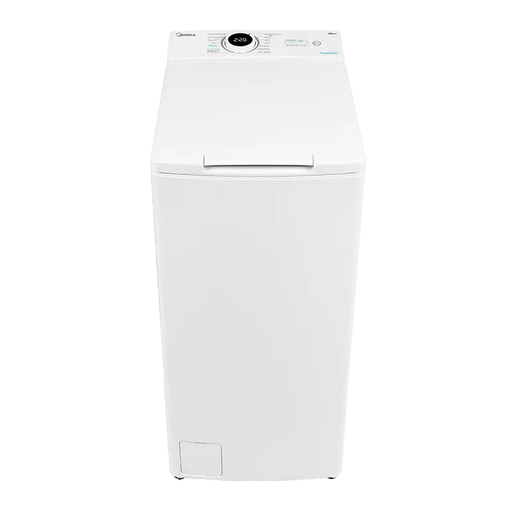 No image available
Could suit a narrow space if there is enough room above the machine to open the lid.
40 cm wide; energy class A; 78 dB spin noise according to the product name; cottons and Eco 40–60 programmes; Aqua Stop.
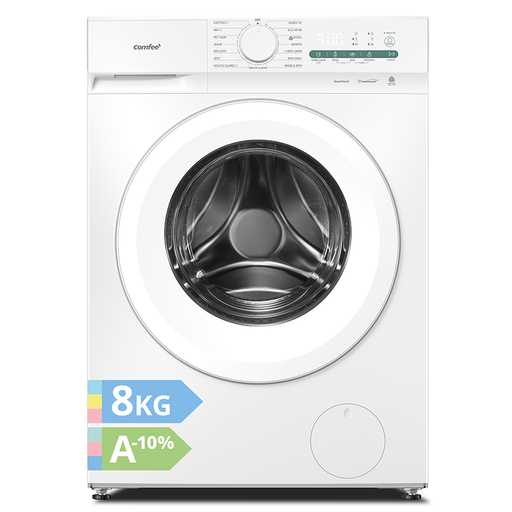 No image available
Could be a good fit if you need a larger drum for your regular loads and have room for a depth of 48 cm.
48 cm deep; energy class A; 16 programmes; steam function; add-garment function.
Start by checking the care label and how soiled the items are. For suitable washing, the German Environment Agency recommends Eco 40–60. It also mentions low temperatures of 20–30 °C for lightly to normally soiled items. A quick programme does not automatically save energy.
Check the space, connections and water protection, and confirm the installation requirements and your insurance cover. The consumer advice centre explains that tenants are generally allowed to have a washing machine in their flat. This does not apply as a blanket rule to every connection or case of damage.
The energy label for washing machines is based on Eco 40–60. Also compare the weighted electricity consumption in kWh per 100 cycles and the water consumption per cycle. Your actual costs will also depend on how you use the machine and your energy and water tariffs.
EU rules apply to washing machines that require an energy label. According to the European Commission's guidance, the energy label must also be visible in online shops. Check the information for the specific model.
Under the conditions set out in Section 17 of the German Electrical and Electronic Equipment Act (ElektroG), when you buy a new appliance, the retailer must take back an old appliance of the same type with essentially the same functions free of charge. Additional legal requirements apply to free collection when the new appliance is delivered to your home. Check the arrangements with the retailer when you complete your purchase.