Who is a washing machine for a small flat suitable for?

People with a narrow laundry space

If your laundry space is narrow, you’ll need to consider width, depth and opening clearance together. The consumer advice centre distinguishes between slimmer top-loaders and front-loaders, while exact dimensions vary by model. For example, Bauknecht gives the DTL 6B BK W FF a width of 40 cm and a depth of 60 cm.

Small households with smaller loads

If you wash pyjamas with other suitable laundry, choose a drum size that suits your usual loads and check the care labels. The European Commission describes Eco 40–60 as being for normally soiled cotton garments labelled as washable at 40 or 60 °C.

Households without a suitable place to dry clothes

If you can’t easily hang up wet laundry, consider whether a washer-dryer will fit your space and handle the amount you actually need to dry. The consumer advice centre notes that washer-dryers have a lower drying capacity than washing capacity and use more electricity and water than separate appliances.

What should you look for when choosing a washing machine for cotton pyjamas?

Slimline top-loader

A good fit if: The space is too narrow for a standard front-loader and there’s room above the appliance to open the lid. Bauknecht gives the DTL 6B BK W FF a width of 40 cm, a depth of 60 cm and a capacity of 6 kg.

Consider: Its slim design doesn’t save depth, and the lid needs clearance above the machine.

Shallow front-loader

A good fit if: There’s room for the door to open in front of the appliance, but depth is limited. Haier gives the HW70-BP14929 dimensions of 595 × 477 × 850 mm and a capacity of 7 kg.

Consider: The appliance’s depth alone won’t tell you whether the hoses and open door will fit in the space.

Standard-depth front-loader

A good fit if: There’s enough width and depth, and you regularly wash other suitable cotton items with your pyjamas. Bosch gives the WAN28127 a width of 598 mm, a depth of 590 mm and a capacity of 8 kg.

Consider: Make sure the larger stated capacity suits the loads you usually wash together. Bosch lists this model as not having AquaStop.

Compact washer-dryer

A good fit if: You can’t accommodate a second appliance or find a suitable place to dry clothes, and your drying loads are small. Haier gives the HWD50-BP12307U1 a washing capacity of 5 kg and a drying capacity of 2.5 kg.

Consider: According to the consumer advice centre, washer-dryers use more electricity and water than separate appliances. The Haier model mentioned has a combined energy efficiency rating of E.

Priority What to check before buying Who is this especially important to?
Fit and access Measure the appliance’s width and depth, along with the space needed for the door or lid and connections. If your laundry space is tight, the machine needs to fit and be easy to open in everyday use. Around 26% of consumers put fit and access first.
Load size and cotton care Check your usual combined load and the care labels; Eco 40–60 is designed for cotton labelled accordingly. If you usually wash small loads of pyjamas and cotton items, make sure the drum and programme are suitable for your laundry. Around 21% of consumers put this priority first.
Quiet operation and water protection Compare the spin noise level and the water protection system on the specific model. In a small flat close to living areas, spin noise and protection against water damage are important considerations. Around 21% of consumers put quiet operation and water protection first.
Drying without needing extra space If hanging laundry up isn’t practical, check the drying capacity and the energy and water used for a complete wash-and-dry cycle. If you don’t have a suitable place to dry clothes, you may want to dry wet laundry without needing a second appliance. Around 16% of consumers prioritise this option.
Running costs Compare usage figures on the same programme basis; quick programmes aren’t necessarily economical. If you’re particularly mindful of electricity and water use over time, compare the programmes you’ll actually use too. Around 16% of consumers put running costs first.

Which buying mistakes should you avoid?

  • Buying a slim machine without checking how it opens

    A top-loader needs space above the lid, while a front-loader needs room in front for the door. So the appliance’s footprint alone won’t tell you whether you can use it in the space you have in mind.

    As well as measuring the appliance, check the usable space in the direction it opens.

  • Taking the washing energy rating as the rating for washing and drying

    With a washer-dryer, the figures for washing alone and for the combined cycle can differ. For example, the Haier HWD50-BP12307U1 has a washing capacity of 5 kg but a drying capacity of 2.5 kg.

    If you regularly use the machine to dry clothes, compare its drying capacity and the energy and water used for a complete wash-and-dry cycle.

  • Assuming it has water protection based on the brand or range name

    Features can vary by model. Bosch explicitly lists the WAN28127 as not having AquaStop, while the consumer advice centre recommends considering protection against water damage.

    Check the water protection and connection requirements for the specific model, and confirm what applies to your installation location.

Which brand models are useful for comparison?

Bauknecht

The DTL 6B BK W FF top-loader is an example of a machine for a narrow space, as long as there’s enough room above it to open the lid.

  • Bauknecht gives this model a width of 40 cm, a depth of 60 cm, a capacity of 6 kg and an energy efficiency rating of B.
  • Its narrower width doesn’t solve the need for depth or clearance above the lid. Claims about the motor or stain removal are made by the manufacturer.

Haier

The HW70-BP14929 and HWD50-BP12307U1 are examples of models designed to address different space and drying needs.

  • Haier gives its HW70-BP14929 front-loader a depth of 477 mm and a capacity of 7 kg.
  • The HWD50-BP12307U1 mini washer-dryer has a washing capacity of 5 kg and a drying capacity of 2.5 kg; its combined cycle is rated E. Claims about hygiene or motor performance are made by the manufacturer.

Bosch

The WAN28127 front-loader is an example for households with enough room for a front-loader and regular loads of laundry washed together.

  • Bosch Home Appliances gives this model a width of 598 mm, a depth of 590 mm, a capacity of 8 kg, an A rating and a reload function.
  • Bosch lists this specific model as not having AquaStop. Claims about water savings or reduced creasing are made by the manufacturer.

Miele

The W1 WSA123 WCS 8kg Active front-loader is another 8 kg model to consider, provided there’s enough room for a front-loader.

  • Miele gives this model a capacity of 8 kg, a spin speed of 1400 rpm, AddLoad and a water protection system.
  • These details apply to this specific model. Miele’s description of testing for 20 years isn’t a guarantee of an individual appliance’s lifespan.

Joybuy products for small flats

This selection includes front-loaders and a top-loader. If your space is tight, check the dimensions of the specific appliance and allow room for the door or lid.
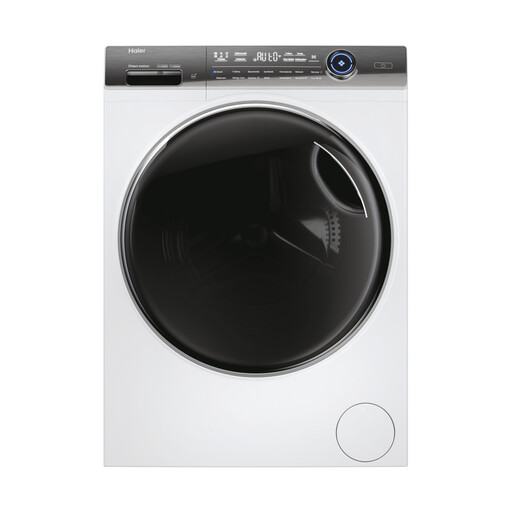
Haier I-Pro 7 Plus Series HW80-BD14979EU1 washing machine

Haier I-Pro 7 Plus Series HW80-BD14979EU1, 8 kg

This front-loader may suit a space where depth is limited, as long as its dimensions fit.

The product description lists a depth of 50 cm, a washing capacity of 8 kg and 14 programmes.

View at Joybuy
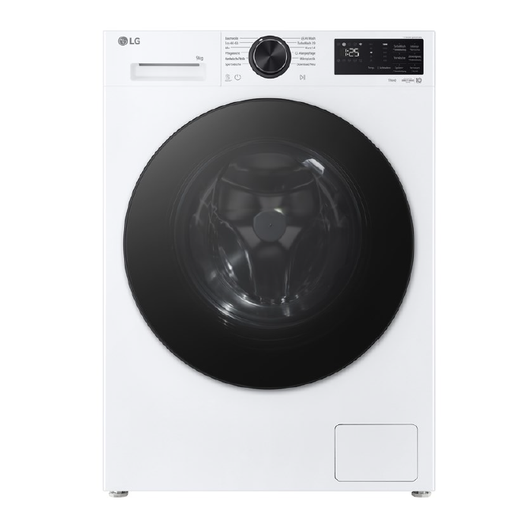
LG F2X7SLIM9W washing machine, 9 kg

LG F2X7SLIM9W, 9 kg

The Slim-Fit design may be worth considering if space is limited; check the full dimensions against your available space before buying.

The product details list a capacity of 9 kg, a spin speed of 1200 rpm, and Cotton and Eco 40–60 programmes.

View at Joybuy
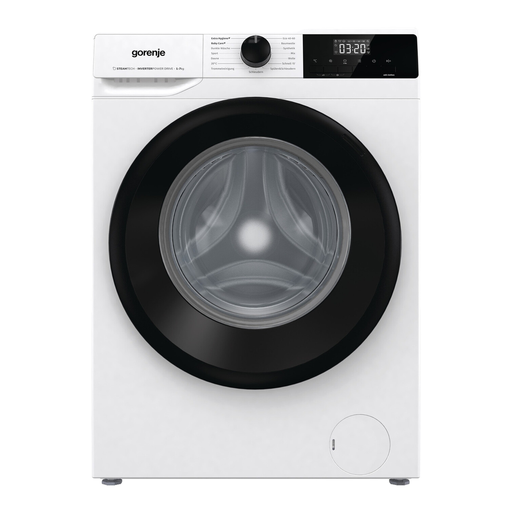
Gorenje WNHEI74SAPS/DE washing machine, 7 kg

Gorenje WNHEI74SAPS/DE, 7 kg

This front-loader may suit a space with limited depth, provided the appliance and door fit in the available space.

The product description lists a depth of 46.5 cm, a capacity of 7 kg and 15 programmes, including Cotton and Eco 40–60.

View at Joybuy
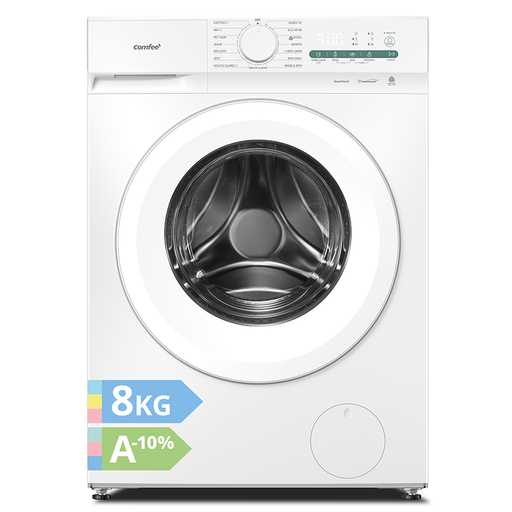
Comfee CF08EWP05W front-loading washing machine, 8 kg

Comfee CF08EWP05W, 8 kg

This front-loader may be an option if depth is limited, as long as its stated dimensions and door clearance fit your space.

The product description lists an appliance depth of 48 cm, a capacity of 8 kg and 16 programmes.

View at Joybuy
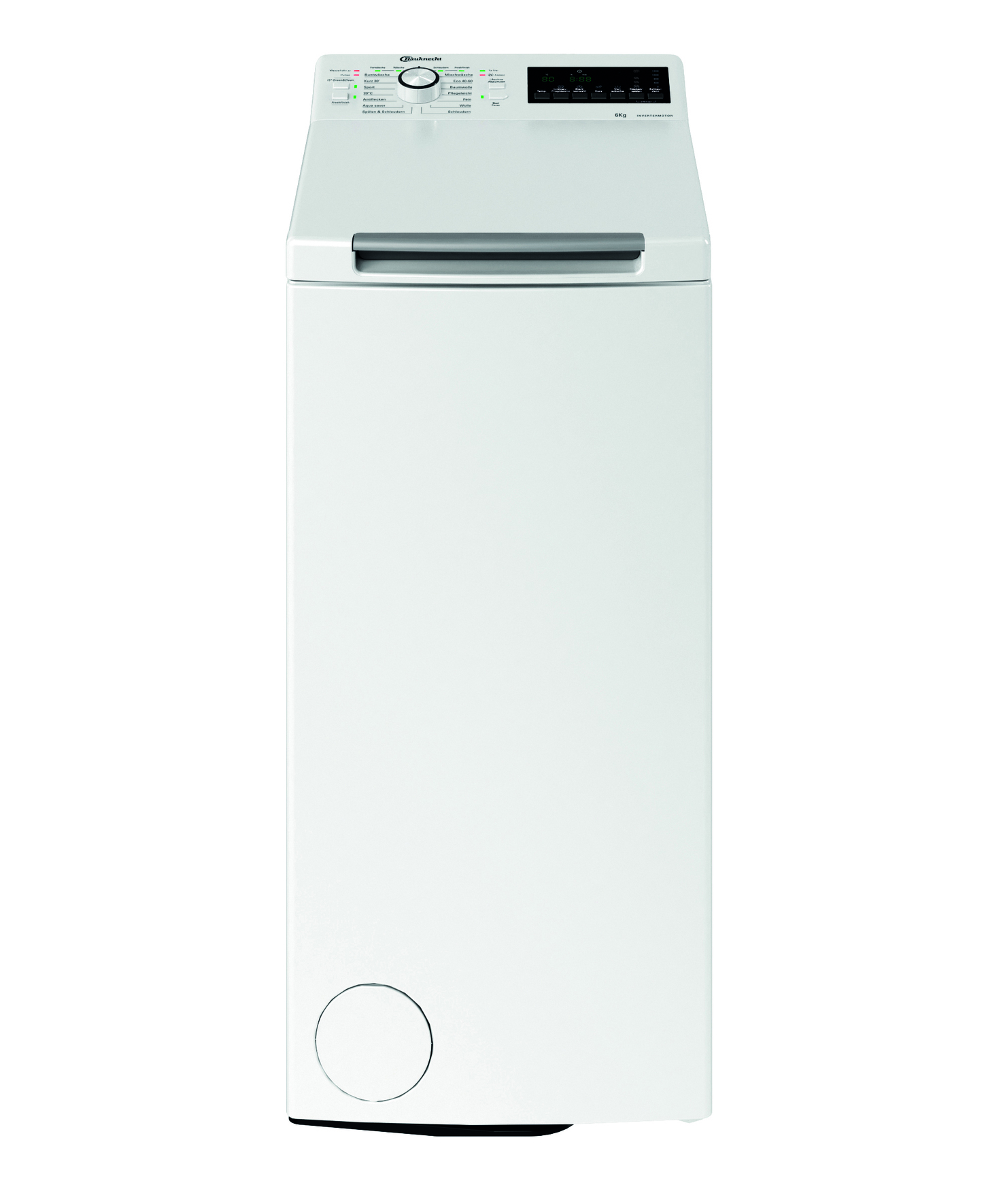
Bauknecht WMT Eco Shield 626 A top-loading washing machine, 6 kg

Bauknecht WMT Eco Shield 626 A, 6 kg

This top-loader may fit in a narrow space, provided there’s enough room above it to open the lid.

The product description lists dimensions of 90 × 40 × 60 cm and a washing capacity of 6 kg. It also gives a spin noise level of 79 dB(A) and lists Cotton and Eco 40–60 programmes.

View at Joybuy

Frequently asked questions about washing machines and cotton pyjamas

Can I always wash cotton pyjamas on the Eco 40–60 programme?

Only if the care labels allow you to use a suitable laundry care programme. The European Commission describes Eco 40–60 as being for normally soiled cotton garments labelled as washable at 40 or 60 °C; seeing “cotton” on the label alone isn’t a substitute for checking the care instructions.

What should I check before installing a washing machine in a rented flat?

Measure the space and opening clearance, check the connections and discuss any installation concerns with your landlord. The consumer advice centre recommends considering water damage and insurance; this doesn’t mean you always need your landlord’s consent to buy a washing machine.

How can I dry pyjamas in a small flat?

If you hang laundry up indoors, make sure you ventilate and heat the room sufficiently. If there’s nowhere suitable to dry it, compare a washer-dryer’s lower drying capacity with the size of your actual load.

How can I avoid spending more than I need to on detergent?

Dose detergent according to the water hardness and how soiled the laundry is, following the instructions on the pack. The Federal Environment Agency recommends using a modest dose based on these factors.

What are my rights if the appliance is faulty, and what happens to my old one?

If an appliance is faulty, your statutory rights against the seller are separate from any voluntary guarantee. According to the consumer advice centre, these rights can generally be exercised for new goods within two years of delivery. Waste electrical appliances must be taken to an authorised collection point; retailers have take-back obligations in the circumstances described by the Federal Ministry for the Environment. If you want your old appliance taken away, arrange this when you buy the new one.