For homes with limited space
If space is tight, work out whether the width, depth or height is the main constraint. Remember to allow for the door or lid to open, depending on the type of machine.


Start by measuring the width, depth and height of the space, and allow for the room needed to open the appliance door. Depending on which dimension is restricted, a narrow top-loader, a low-profile mini machine or a shallow front-loader could work. The drum capacity should also suit the rest of your laundry. Compare the energy and noise ratings for the specific model. A washer-dryer is worth considering if you don’t have a separate way to dry your clothes.
If space is tight, work out whether the width, depth or height is the main constraint. Remember to allow for the door or lid to open, depending on the type of machine.
If you regularly wash pillowcases and generally do smaller loads, the drum should still be large enough for the rest of your household laundry. Compare energy consumption figures on the same basis.
If the machine will be near your living space, spin-cycle noise may be particularly important. Also check the water protection system fitted to the specific model.
Measure the width, depth and height, allowing for the opening space and connections. Then compare the capacity, energy consumption and noise ratings of the specific model.
| Buying consideration | What to look for | Who it matters most to |
|---|---|---|
| Space and opening clearance | Check the appliance dimensions, opening clearance and space for the water inlet and outlet on the specific model. | If width is limited, I also want to know whether the machine will be easy to open. Around 36% of consumers focus above all on the space available and opening clearance. |
| Drum size and energy use | Check the rated capacity, kWh per 100 Eco cycles and litres per Eco cycle for comparable models. | If I usually wash just a few pillowcases, the drum should still suit the rest of my laundry. Around 29% of consumers prioritise small loads and running costs. |
| Noise and water protection | Compare spin noise and the noise emission class on the same label basis, and check the specific water protection system. | If the machine is near my living space, I want to consider noise and the risk of water damage where it will be installed. Around 21% of consumers prioritise quiet operation and water protection. |
| Fabric care and programmes | Check that the programmes and adjustable temperatures suit the care labels on your pillowcases. | If my pillowcases have specific care instructions, I choose programmes to match. Around 14% of consumers put fabric care or hygiene ahead of other buying considerations. |
A top-loader needs clearance above it, while a front-loader needs space in front of the door. You also need to allow for the connections.
Measure the height, width and depth, as well as the opening clearance, and check where the connections are before choosing a model.
The Federal Environment Agency distinguishes between quick programmes that save time and longer programmes designed to be energy-efficient.
Choose a programme that suits the care label, and compare label figures only on the Eco basis specified for each model.
The consumer advice centre points out that washer-dryers use more electricity and water than separate appliances, and have a smaller drying capacity than washing capacity.
First check whether you really don’t have a separate way to dry your clothes. If you’re considering a washer-dryer, compare its washing and drying capacities separately.
A voluntary guarantee does not automatically replace your statutory rights against the seller if the product is faulty.
Read the guarantee terms and contact the seller if there’s a fault and you need to exercise your statutory rights.
Haier offers two different designs: a 5 kg mini front-loader and a shallower 7 kg front-loader. These specifications apply to the respective models.
According to Bauknecht, the DTL 6B BK W FF top-loader is 40 cm wide and has a rated capacity of 6 kg.
According to AEG, the LTR6N40260 top-loader is 397 mm wide and has a capacity of 6 kg.
The following Joybuy models include front-loaders for spaces with limited depth and a narrow top-loader. As well as capacity, compare the clearance needed to open the machine: front-loaders need space in front of the door, while top-loaders need room above the lid.
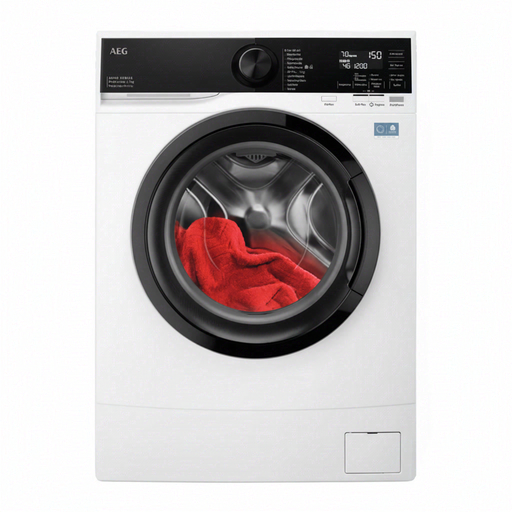 No image available
This front-loader could be a good option if you want to wash other household laundry as well as pillowcases. Make sure there’s enough space in front to open the door.
Specifications in the product name: 7 kg, energy class A and 1400 rpm.
 No image available
This front-loader is an option if depth is limited and you want the drum to fit the rest of your household laundry too. Remember to leave space in front of the door.
Specifications in the product name: 7 kg, 400 mm depth and energy class A-10%.
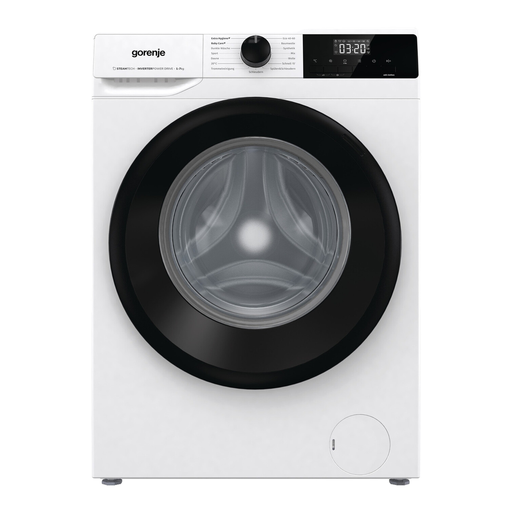 No image available
This front-loader is worth considering if you want to wash other laundry as well as pillowcases. You’ll need extra space to open the door.
Specifications in the product name: 7 kg, 1400 rpm, energy class A and AquaStop.
 No image available
This front-loader is an option for a space with limited depth if you want to wash other laundry as well as pillowcases. Remember to leave room to open the door.
Specifications in the product name: 7 kg, 440 mm depth, energy class A-10% and 15 programmes.
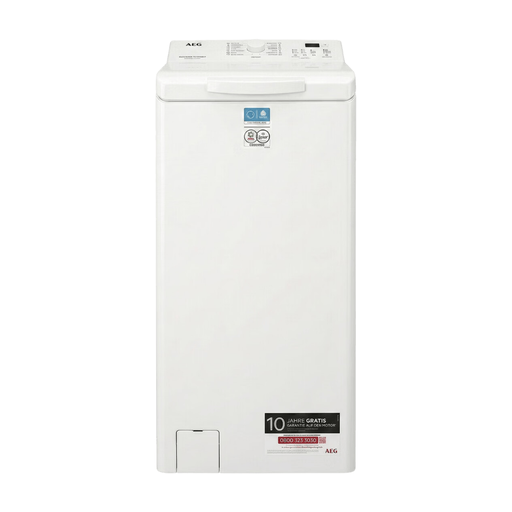 No image available
A top-loader could work if you have limited space at the sides. Make sure there’s enough room above the lid to open it.
Specifications in the product name: 6 kg, 1400 rpm, energy class A, ProSense and Water Stop.
No. The right temperature depends on the fabric and how soiled the pillowcases are. Check the care label first. For lightly to normally soiled laundry, the Federal Environment Agency generally recommends 20 to 30 °C for coloured fabrics and 40 °C for whites. Any special hygiene requirements should be considered separately.
Check the water and electricity connections, the available space, the opening clearance and the appliance’s water protection features. The consumer advice centre notes that tenants generally cannot be prevented from installing a washing machine in their home. Whether a particular connection is suitable for your machine depends on the conditions at your property.
Don’t leave wet laundry sitting in the machine for too long. The consumer advice centre also recommends wiping the grooves in the rubber seal and the detergent drawer dry after washing, and leaving the compartments open.
A+++ belongs to the previous energy label system. Since March 2021, current appliances have been rated on a scale from A to G, as explained by the Federal Environment Agency. For washing machines, also compare kWh per 100 Eco cycles and litres per Eco cycle.
Waste electrical appliances must be taken to an authorised collection point or handed to another organisation obliged to take them back. The Federal Environment Ministry lists local collection points and take-back by retailers when you buy a new equivalent appliance. Check the collection arrangements when you place your order.