People with a narrow laundry area
If floor space is limited, measure the width and depth, as well as the room needed to open the machine. Top-loaders and slim front-loaders solve different space problems.


For a small laundry area, start by checking the width, depth and space needed to open the machine. If width is limited, a top-loader may fit; if depth is the issue, consider a slim front-loader. A particularly compact front-loader could work if height or width is also restricted. Then check that the capacity and programmes suit your usual laundry, and follow the care label on each pair of shorts when choosing the temperature and treatment.
If floor space is limited, measure the width and depth, as well as the room needed to open the machine. Top-loaders and slim front-loaders solve different space problems.
If you wash your shorts with other everyday items, make sure the capacity and programme suit the full load and the care labels on each item.
Compare the capacity that suits your needs and the stated consumption figures, rather than relying on the energy rating alone.
First, measure the available space, including the opening clearance and connections. Then you can make a useful comparison of care programmes, capacity and label figures.
The percentages below show the main priorities for consumers choosing a washing machine for cotton shorts in a small laundry area.
| Priority | What to check when buying | Who it matters most to |
|---|---|---|
| Space and opening clearance | Check the dimensions of the specific appliance against the space, connections and room needed for the door or lid. | If space is tight, I check the width, depth and opening clearance first to make sure the appliance and connections will fit. Around 36% of consumers put available space first. |
| Caring for cotton shorts | Check the care symbols, maximum temperature and any need for a gentler wash against the programmes available. | I want to wash each pair of shorts according to its care label, rather than choosing a programme based on the fabric alone. Around 29% of consumers prioritise suitable fabric care. |
| Load size and consumption | Compare your usual laundry load with the rated capacity, kWh per 100 Eco cycles and litres per Eco cycle. | The drum size and stated consumption figures need to suit the laundry I usually wash. Around 21% of consumers prioritise load size and consumption. |
| Installation and water protection | Check the connections, that the appliance can be levelled securely, the specific model’s protection features and the installation instructions. | If the water and electrical connections are hard to reach in my laundry area, I check the installation requirements before the first wash. Around 14% of consumers put this first. |
The German Consumer Advice Centre recommends comparing consumption figures on the same label basis. The EU energy label includes, among other things, electricity consumption per 100 Eco wash cycles and water consumption per Eco cycle.
The appliance may fit in the space, but the lid or door could hit a wall, furniture or connections when opened.
Check the available space, opening clearance, access and room for hoses against the dimensions for the specific model.
The care label tells you how the item can be treated. A bar beneath the wash symbol means it needs a gentler wash.
Choose the temperature and programme according to the symbols on each pair of shorts, rather than automatically selecting a hot cotton cycle.
Label figures are based on specified Eco conditions and do not necessarily reflect consumption for every individually selected wash cycle.
For suitable appliances, compare the rated capacity and electricity and water figures on the same label basis, and take your usual use into account.
A combined appliance is worth considering above all if you also have nowhere suitable to dry clothes. The German Consumer Advice Centre notes that washer-dryers use more electricity and water than separate appliances, and that washing and drying capacities may differ.
First check whether you lack space to dry clothes. If so, compare the washing and drying capacities and the relevant label figures.
A documented top-loader model may be a good option if width is the main constraint and there is room to open the lid upwards.
The LTR6N40270 top-loader is an example to consider for a narrow laundry area where you also need to check the rated capacity and stated Eco figures.
The compact HW50-BP12307AU1 front-loader is an example to consider if width or height is also restricted, as well as depth.
The WAN28272 front-loader provides a size comparison for laundry areas with enough width and depth.
This selection includes slim front-loaders for limited depth, a particularly compact front-loader and a top-loader for a narrow space.
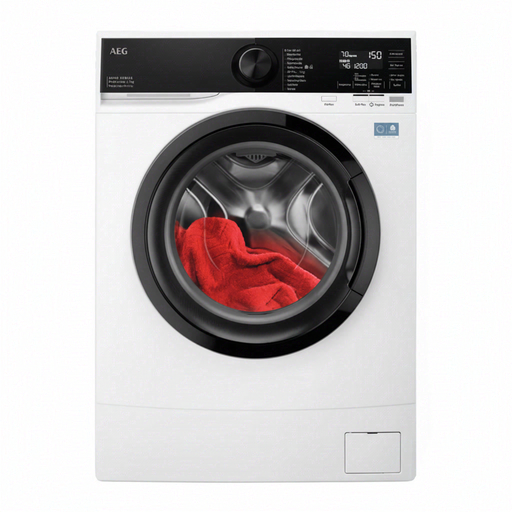 No image available
Classed as a slim front-loader for a laundry area with limited depth; make sure there is enough room to open the door.
Listed in the product name: 7 kg, 1400 rpm and energy class A. Check that the specific programmes suit the care labels on your shorts.
 No image available
Classed as a Slim-Fit front-loader for limited space; the door needs room to open.
Listed in the product name: 9 kg, 1200 rpm and energy class A. Check that the rated capacity suits the size of your usual laundry load.
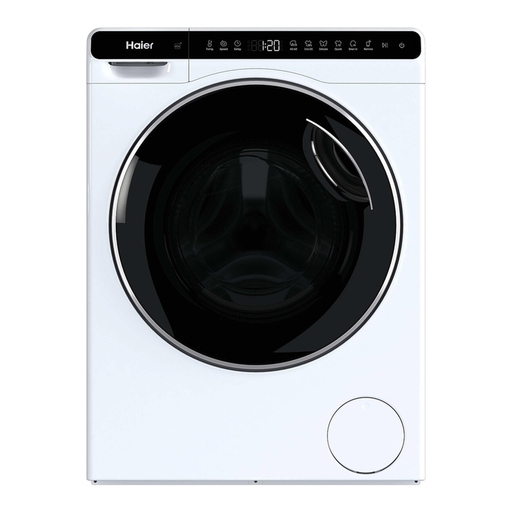 No image available
Classed as a compact front-loader for particularly restricted spaces; leave room for the front door.
Listed in the product name: 5 kg. Compare this rated capacity with your usual load and check the dimensions of the specific model.
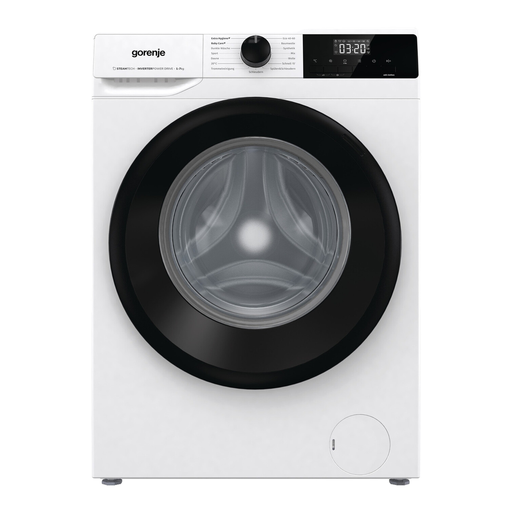 No image available
Classed as a slim front-loader for limited depth; allow for the door opening and connections.
Listed in the product name: 7 kg and 1400 rpm. Check the appliance dimensions and whether the available programmes suit the care labels.
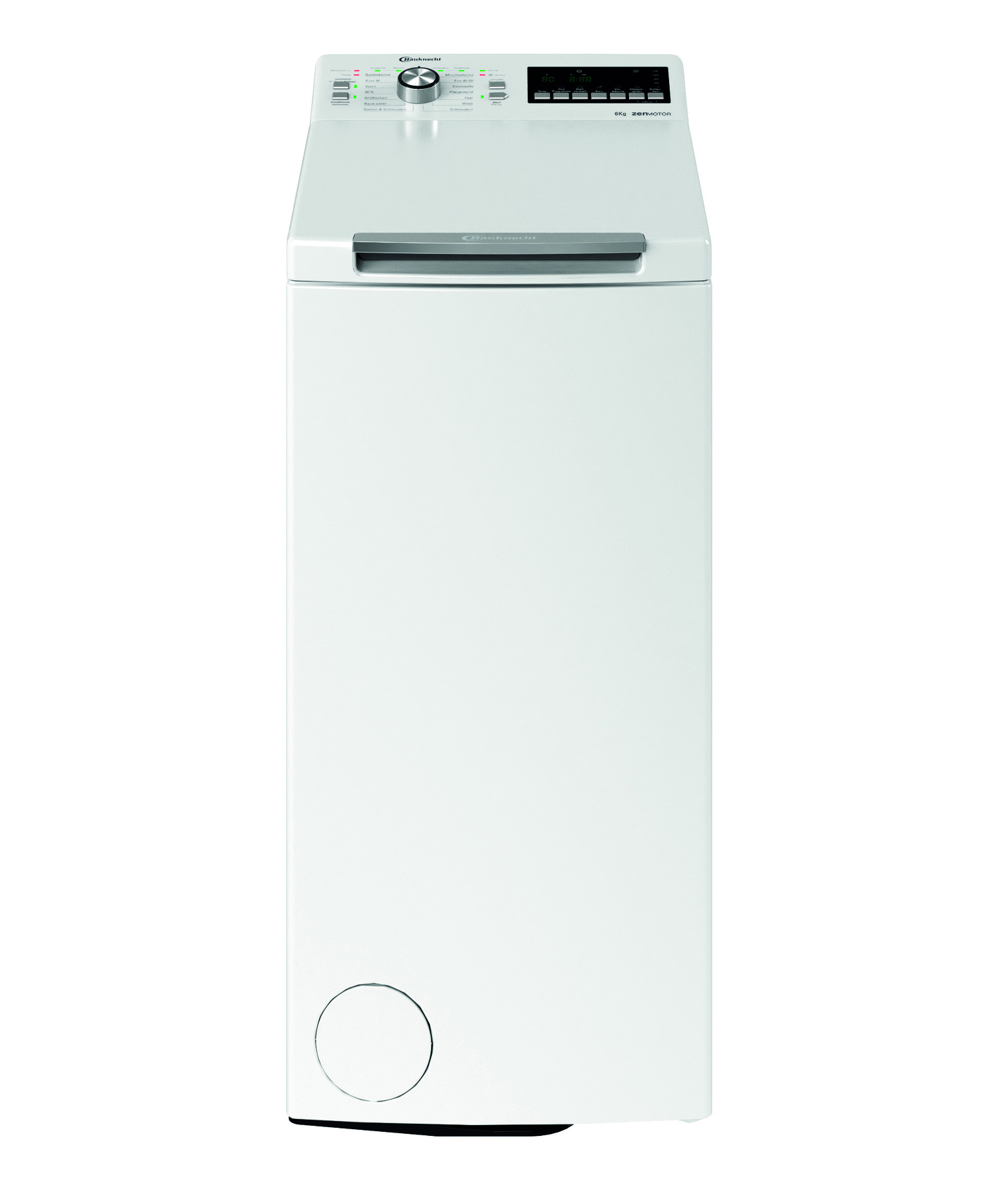 No image available
Classed as a top-loader for a narrow space; make sure there is enough room above the appliance to open the lid fully.
Listed in the product name: 6 kg, 1200 rpm and energy class B. Check the specific external dimensions and available programmes.
Not just because they are made of cotton. The European Commission describes Eco 40–60 as being for normally soiled cotton laundry that is labelled as washable at 40 °C or 60 °C. Check the maximum temperature and any instructions for gentler treatment on each pair of shorts, as well as the appliance’s programme instructions.
Follow the instructions for the specific appliance: remove the transit bolts, check the water and electrical connections, and level the machine. Also measure the clearance needed for the door or lid to open and the space for the hoses.
The EU energy label includes, among other things, kWh per 100 Eco wash cycles and litres per Eco cycle. These figures are based on the stated Eco conditions and do not necessarily reflect the consumption of every individually selected cycle for washing shorts.
When you buy from a trader, you are generally entitled to a minimum two-year statutory guarantee from the date you receive the appliance; the seller is responsible for handling claims about faults. Your Europe, the European Union’s information portal, distinguishes this statutory guarantee from any additional manufacturer’s guarantee.
For a like-for-like exchange for a new large appliance with a similar function, online retailers must offer free collection of the old appliance, according to the German Consumer Advice Centre. Arrange collection when you place your order; connection and installation are separate services.