People with a small laundry area
If space is tight, check whether width, depth or room to open the machine is the main constraint. Bauknecht and Haier list different dimensions for their respective models.


First, measure the alcove’s width, depth and height, along with the space needed for the door or lid and the connections. A narrow top-loader solves a different space problem from a slimline front-loader. For pillowcases, follow the care symbols for the temperature and wash cycle. For the rest of your laundry, compare capacity and consumption figures using the same EU energy label basis.
If space is tight, check whether width, depth or room to open the machine is the main constraint. Bauknecht and Haier list different dimensions for their respective models.
The care symbols on the pillowcase indicate which temperature and wash cycle are suitable. The Verbraucherzentrale explains that the number in the wash tub symbol shows the maximum recommended washing temperature.
If you only wash a few pillowcases from time to time, consider your other household laundry too. AEG describes ProSense® on the LTR6A41460 model as adjusting to the load size.
The key question is whether width, depth or opening clearance limits your laundry area. Compare the dimensions of the specific model with the space available for connections and operation.
A good fit if: floor width is the main constraint and there’s room above the machine to open the lid.
Bear in mind: Bauknecht lists the DTL 6B BK W FF as 40 × 60 × 90 cm (W × D × H); the lid needs clear space above it.
A good fit if: depth is limited, but there’s enough width and room to access the machine from the front.
Bear in mind: Haier lists the HW70-BP14637T as 595 × 468 × 850 mm (W × D × H); hoses and the open door need extra room.
A good fit if: the alcove can accommodate a larger machine, with extra space for connections and access.
Bear in mind: Bosch lists the WAN282EK1 as 845 × 598 × 590 mm (H × W × D), with an 8 kg capacity. Its depth could be the deciding factor in a small laundry area.
| Consideration | What to check when buying | Who it matters to |
|---|---|---|
| Installation dimensions and access | Check the installation space, door or lid clearance and room for connections against the dimensions of the specific model. | If my laundry area is narrow, I first check that the width, depth and opening clearance will actually fit. Around 31% of consumers put available installation space first. |
| Caring for pillowcases | Check the care symbols against the temperature, spin setting and programme description in the machine’s manual. | If a pillowcase is delicate, I want to be able to choose a programme that follows its care label. Around 25% of consumers prioritise suitable fabric care. |
| Capacity for household laundry and pillowcases | Consider your usual household laundry and the load limit for the programme you want to use. | If I usually wash just a few pillowcases as well as the rest of my household laundry, I look for a suitable capacity. Around 25% of consumers prioritise small loads and the right capacity. |
| Consumption, noise and water protection | Compare kWh per 100 Eco cycles, litres per Eco cycle and spin noise using the same energy label basis; check the model’s water protection system. | If the machine is near living areas, I pay attention to noise, consumption and protection against water damage. Around 19% of consumers prioritise these ongoing operating factors. The European Commission explains that EU energy label figures are based on specified test conditions. |
Hoses, connections and the space needed to open the door or lid all require extra room.
Before ordering, measure the installation space and access route, then check the installation plan for the exact model.
If the connections or opening clearance don’t fit, you may need to find a different place for the machine or arrange another delivery.
Care symbols may limit the temperature or wash cycle. According to the manufacturer, the 14-minute quick programme on the Beko WML71465S is limited to loads of up to 2 kg.
Read the care label first, then check the programme description and permitted load.
EU energy label figures are based on specified Eco test conditions and don’t automatically apply to every delicate or quick wash. The European Commission explains the labelling for household washing machines.
Compare label figures on the same basis and consider which programmes you’ll actually use.
The drying function is only useful if you need it and the pillowcase care label allows tumble drying.
First check whether you have a suitable place to dry laundry and what type of drying the care symbol allows.
The Verbraucherzentrale points out that washer-dryers use more electricity and water when washing and drying than separate appliances. They can also dry only half a wash load at a time.
The DTL 6B BK W FF top-loader is a useful comparison if floor width is limited.
The HW70-BP14637T front-loader is a useful comparison for laundry areas where depth is the main constraint.
According to AEG, the LTR6A41460 top-loader combines a 6 kg capacity with ProSense® load adjustment.
The WAN282EK1 front-loader is a useful comparison if standard depth fits and you also want the machine to handle larger household loads.
The WML71465S is a useful comparison if you want a front-loader with a quick programme for a limited load.
This selection includes front-loaders and top-loaders for different spaces. Check the dimensions of the specific model at your installation site, including room for the door or lid and hoses.
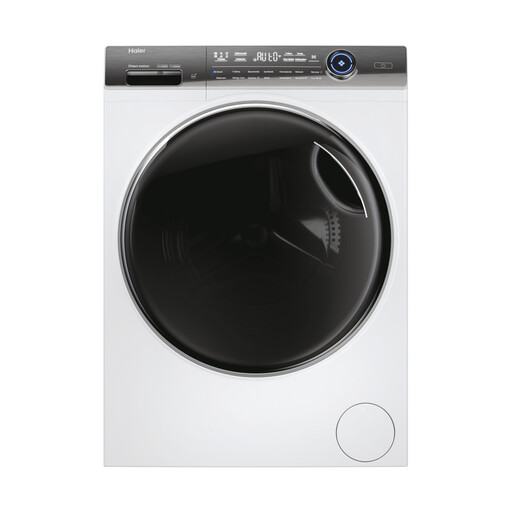 No image available
The listed depth of 50 cm could be useful if depth is limited in your laundry area. Make sure there’s also enough room for the connections and door.
8 kg capacity; AutoDose; AquaStop; 44 litres per Eco cycle according to the product description.
 No image available
The product name describes it as Slim Fit. Check the actual appliance dimensions and allow for the door and connections when measuring your laundry area.
9 kg capacity and 1200 rpm; the programme list includes Hand Wash/Wool, Easy Care and Allergy Care. Always follow the pillowcase care label.
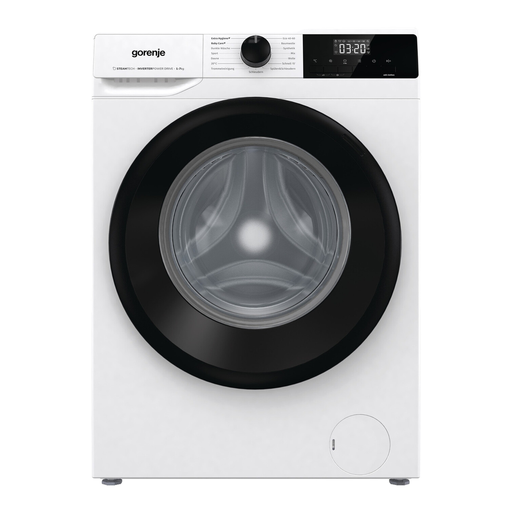 No image available
With a listed depth of 46.5 cm, this front-loader could be worth considering for a shallow laundry area. Remember to allow room for the hoses and door too.
7 kg capacity, 1400 rpm and AquaStop; the programme description includes a Delicate programme. Choose a programme that follows the pillowcase care symbols.
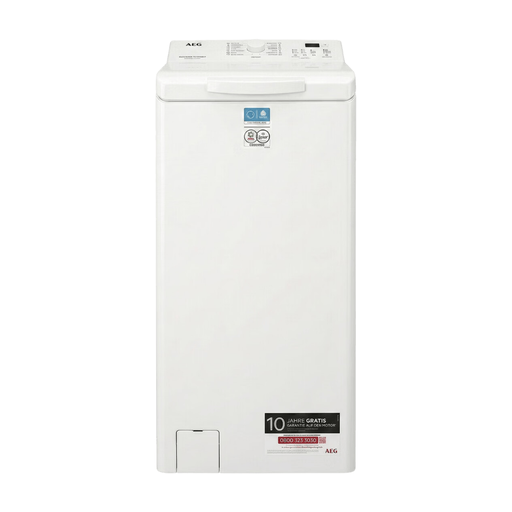 No image available
The listed width of 397 mm could help if floor width is the main constraint. There must still be room above the machine to open the lid.
6 kg capacity and 1400 rpm; according to the product description, ProSense adjusts time, water and energy to the load size. AEG lists 42 kWh per 100 cycles on an Eco basis.
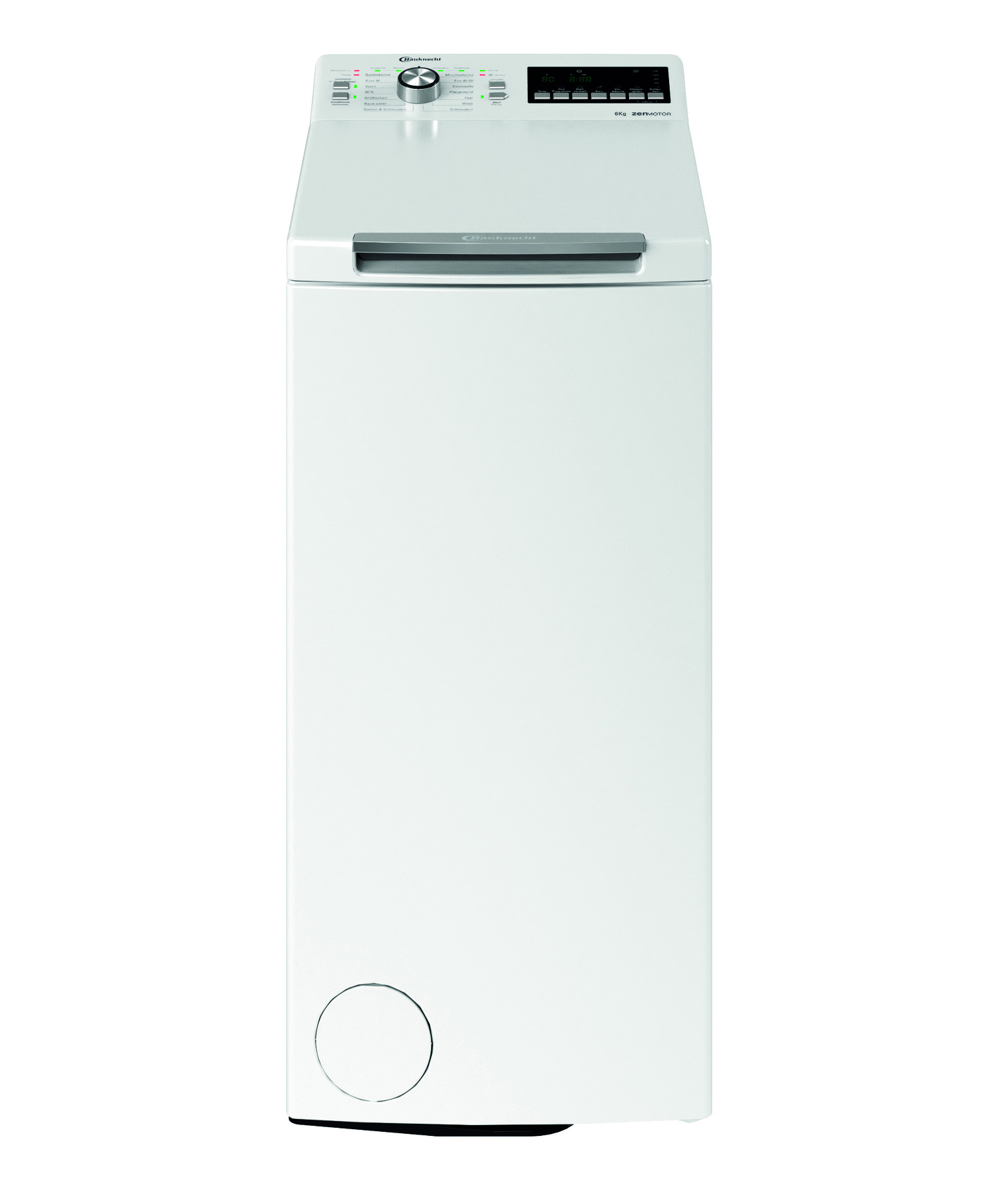 No image available
The listed width of 40 cm could be useful for a narrow installation space. The lid needs clear space above it.
6 kg capacity; the product description lists an Aqua-Saver programme for lighter loads and a SoftOpening function.
No. Check the care symbols on each removable pillowcase: the number in the wash tub symbol shows the maximum recommended temperature, while other symbols distinguish between normal, gentle and very gentle cycles. Check that these instructions match the manual for your specific machine. The Verbraucherzentrale explains what the care symbols mean.
A standard, plumbed-in washing machine needs an electrical socket, a water supply and a drain. Check the hose routes and connections, and remove the transit bolts before first use, following the instructions for your particular machine.
Compare electricity consumption in kWh per 100 Eco cycles and water consumption per Eco cycle on the EU energy label. These figures are based on specified test conditions and aren’t guaranteed consumption figures for other programmes. The European Commission explains the EU labelling for washing machines.
No. The EU consumer information site Your Europe states that goods bought from a trader come with a minimum two-year legal guarantee from the date you receive them. An additional voluntary manufacturer’s guarantee can’t reduce your statutory rights; the applicable terms will depend on your specific circumstances.