People who often wash small loads
If you want to wash pillowcases promptly but rarely have enough laundry for a full drum, load adjustment and suitable programmes are important points to consider.


If you often wash small loads of pillowcases, look for a load adjustment specifically listed for the model, and check the load limit for the relevant programme. If you can wait until you have a larger load, compare the drum capacity with your household’s laundry needs and look at the Eco programme. A quick wash saves time, but not necessarily energy. If space is tight, you’ll also need to check the machine’s design and dimensions, as well as the room needed to open it.
If you want to wash pillowcases promptly but rarely have enough laundry for a full drum, load adjustment and suitable programmes are important points to consider.
If a particular health situation is a consideration, check the care label, temperature and appropriate measures rather than relying on a quick wash simply because it is advertised as suitable.
If the machine needs to fit into a narrow alcove, check its design as well as its height, depth, connections and the space needed to open it.
First check that a model suits your laundry habits and fabrics; then compare its space requirements and like-for-like consumption figures. The German Environment Agency notes that quick programmes save time, but that doesn’t automatically mean they save energy. EU energy label figures are based on Eco 40-60, not on every small-load wash.
| What matters | What to check when buying | Who is this important for? |
|---|---|---|
| Load adjustment | Check whether the specific model adjusts time, water and energy to the load size; compare energy label figures separately from programme data. | If you want to wash small loads of pillowcases often, you’ll want the machine to adjust to the actual load; around 33% of consumers rank this as their top priority. |
| Fabric care and hygiene | Check the care label against the available programmes; don’t assume that a quick or hygiene programme will have a particular effect in every situation. | If you need to handle a fabric gently or meet a specific hygiene need, choosing the right care programme matters more than speed; around 25% of consumers prioritise this. |
| Space and opening clearance | Check the width, height and depth, as well as the connections and the space needed to open the lid or door. | If your alcove is narrow, the machine and the space needed to open it must both fit; around 17% of consumers put available space at the top of their list. |
| Consumption and services | Compare kWh per 100 Eco cycles and litres per Eco cycle; check delivery, installation and old appliance collection separately. | If you wash frequently and want to weigh up the services you need alongside consumption figures, these details matter to you; around 25% of consumers prioritise consumption and service. |
The rated capacity and energy label figures don’t tell you directly how much a single small load will use.
Choose a drum capacity that suits your household’s laundry needs. If it works for you, wait until you have a suitable load and check whether the specific model adjusts to the amount of laundry inside.
The German Environment Agency distinguishes between short programmes that save time and energy-efficient washing.
Use a quick wash only for suitable laundry and within the stated load limit. Compare consumption figures only when they’re based on the same programme.
The height, depth and clearance needed to open the lid must also suit the space.
Measure the entire alcove, including connections and the available opening space, before choosing a machine.
Statutory take-back of an old appliance is separate from additional services such as disconnection.
When placing your order, check separately whether delivery, installation, disconnection and arranged collection of your old appliance are included. Section 17 of the German Electrical and Electronic Equipment Act (ElektroG) sets out the conditions for take-back.
The LTR6A41460 top-loading washing machine combines a 6 kg rated capacity with a load adjustment feature listed for this model.
With its 8 kg rated capacity, the WAN28271 front-loading washing machine is an option if you also want to wash larger household loads in the same machine.
The WML71465S front-loading washing machine has a 7 kg rated capacity and a quick programme for a limited amount of suitable laundry.
The WMT 612 B6 top-loading washing machine has a 6 kg rated capacity and a stated width of 40 cm.
The models below include front-loading and top-loading washing machines for frequent small loads. For each one, check which load adjustments and programme limits are specifically listed.
 No image available
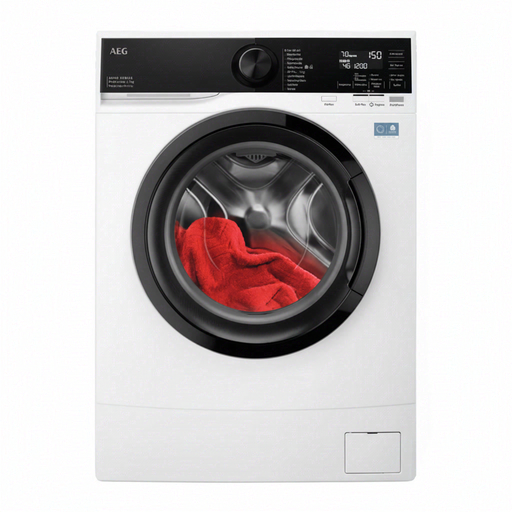
For frequent small loads, if you’re looking for a front-loading machine with a stated load adjustment feature.
ProSense®; 20-minute programme for up to 3 kg; 1400 rpm.
 No image available
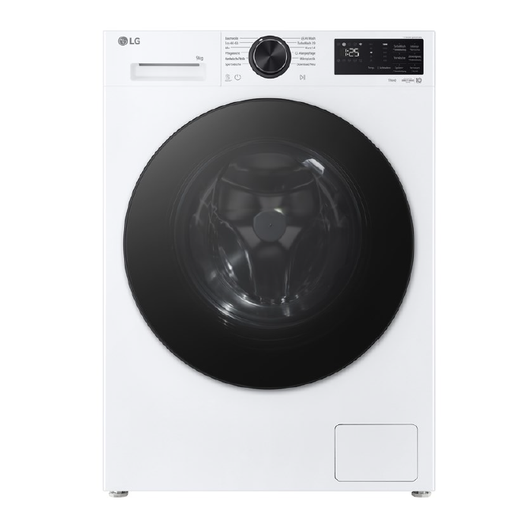
For households considering a front-loading machine with a stated adjustment to suit fabric type and load weight.
AI Wash; TurboWash® takes 39 minutes with a half load; a Quick-14 programme is also listed.
 No image available
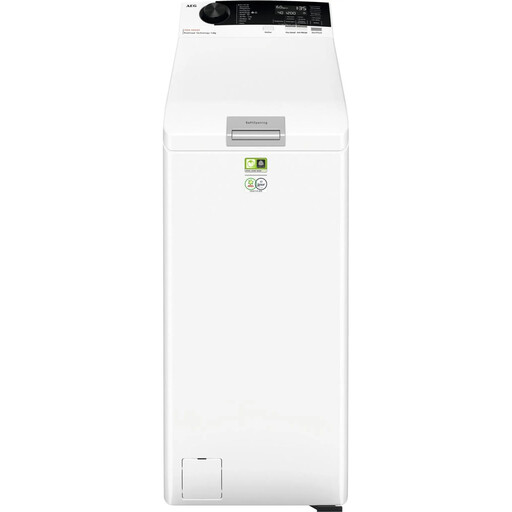
For a narrow space, provided there’s enough clearance above the top-loading machine to open it.
ProSense adjusts to the load size; 20-minute programme for up to 3 kg; stated width: 40 cm.
 No image available
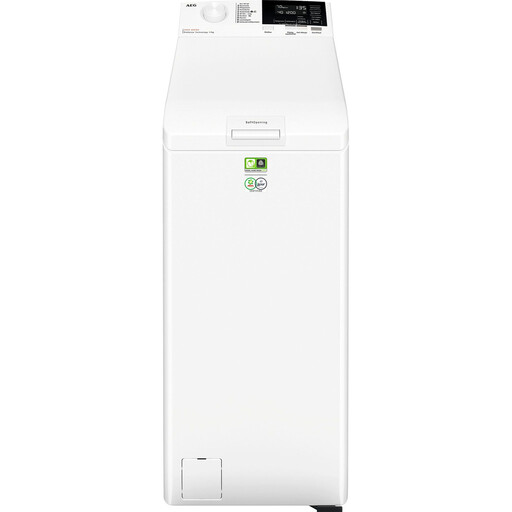
For households considering a top-loading machine with a stated load adjustment feature for a narrow alcove.
ProSense; 20-minute programme for up to 3 kg; stated width: 40 cm. Remember to allow for the space needed to open the lid upwards.
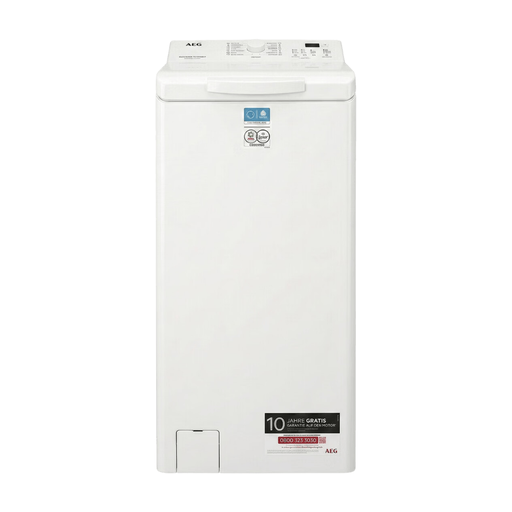 No image available
For frequent small loads, if you’re looking for a top-loading machine with a load adjustment feature specifically listed for the model.
AEG Germany says ProSense adjusts time, water and energy to the load. Eco 40-60; 1400 rpm; stated width: 397 mm.
No, 60 °C isn’t necessary for every pillowcase. Follow the care label. The German Environment Agency explains that disinfection or a hot boil wash is generally not needed in the home; if someone has an infectious illness or a weakened immune system, the measures you take should suit the specific situation.
No, suitability depends on the fabric, how soiled it is and the load limit. For the Xpress programme on the Beko WML71465S, Beko Germany specifies up to 2 kg. The German Environment Agency notes that short programmes save time, but don’t automatically save energy.
Dose according to the amount of laundry, how soiled it is and your local water hardness, and follow the detergent’s dosing instructions. A full standard dose isn’t automatically right for a small load; the German consumer advice centre recommends taking these factors into account.
Under the legal conditions, Section 17 of the German Electrical and Electronic Equipment Act (ElektroG) requires retailers obliged to offer take-back to accept an old appliance free of charge when you buy a new one of the same type. If the new appliance is delivered to a private household, the rules may also cover free collection. Arrange collection when you place your order, and check how it differs from additional services such as disconnection. The applicable provisions are set out by the Federal Ministry of Justice and the Federal Office of Justice.
Compare EU energy label figures on the same programme basis. These include kWh per 100 wash cycles and litres per cycle for Eco 40-60. They don’t guarantee the consumption of a quick programme or every individual small load.