Choose a drum capacity that suits your household’s laundry overall, then check how the specific model handles small loads on its different programmes. A quick wash saves time, but according to the German Environment Agency, it does not automatically save energy. EU label figures relate to the Eco 40–60 programme and do not show the consumption of a quick wash. So compare programme descriptions and care labels, and check the dimensions, delivery and installation arrangements before you buy.
Who is this selection relevant for?
People who often wash small loads
If you often have just a few T-shirts to wash, it’s worth checking the programme guide and the permitted partial load for the model you’re considering. Advice on small loads is available from organisations including the German Environment Agency and Bosch Home Appliances Germany.
People short on time
If you need a particular T-shirt back quickly, compare the duration and permitted load of a quick wash with the needs of the fabric. The German Environment Agency distinguishes the time saved by a quick wash from any energy savings.
Households with limited space
If space is tight, the appliance dimensions, connections and clearance for the open door all need to suit the installation space. The North Rhine-Westphalia Consumer Advice Centre recommends checking the available space before choosing a model.
Which buying criteria matter for small loads?
First check whether the programme you want is suitable for the partial loads you typically wash. Then compare cycle times, consumption figures and the space required.
| What matters |
What to check when buying |
Who it matters to |
| Small loads |
Check the load limits for the programme you want and whether it explicitly offers an adjustment for small loads. |
If I often wash just a few T-shirts, I want to know whether the programme I choose is designed for them. Around 36% of consumers put suitability for small loads first. |
| Short cycle time |
Compare the programme duration with the fabrics and load size permitted in the manual. |
If I need a T-shirt again soon, a suitably short cycle matters to me. Around 29% of consumers prioritise cycle time. |
| Running costs |
Compare EU label figures for Eco 40–60 on a like-for-like basis; dose detergent according to water hardness and how soiled the laundry is. |
If you want to keep an eye on electricity, water and detergent use, don’t apply label figures to quick washes. Around 21% of consumers say running costs are their main concern. |
| Space and connections |
Check the appliance dimensions, door clearance and connections against the actual installation space. |
If space is limited, the appliance needs to fit with its connections and the door open. Around 14% of consumers put fitting the available space first. |
Which assumptions should you avoid?
-
Assuming “quick” means “economical”
A shorter programme saves time, but it doesn’t automatically save energy. The German Environment Agency points out that quick programmes should not be considered energy-saving simply because they take less time.
Choose a quick wash when you need to save time, and check that it’s suitable for the fabric and load. Compare label figures only on their Eco 40–60 basis.
-
Choosing the drum size based only on your T-shirts
The kilogram figure refers to the maximum rated load. On its own, it doesn’t tell you how a particular programme handles just a few items.
Choose a drum capacity to suit your household’s laundry overall, and check the load limits for the programmes you actually plan to use.
-
Confusing delivery, installation and old-appliance collection
These services aren’t automatically included together. Bauknecht lists installation services separately on its offer page, while the take-back obligation for old electrical appliances is set out in section 17 of the German Electrical and Electronic Equipment Act (ElektroG).
Before ordering, check which services are included in the specific offer and ask the retailer about taking back an old appliance of the same type.
Which brands and model ranges are worth considering?
Bosch
Bosch Home Appliances Germany lists the WAN282K4 as an 8-kg front-loading model with Cotton and ExtraKurz programmes, as well as a function that adjusts the wash to smaller loads.
- Worth considering if you want to compare small-load adjustment and quick programmes on a specific model.
- The rated capacity also needs to suit the rest of your household’s laundry. Manufacturer claims about savings don’t show how much energy your own T-shirt wash will use.
Bauknecht
Bauknecht Germany lists the BW 719 A with a rated capacity of 7 kg, a Cotton programme and a “Quick 45” programme for a full load.
- Its lower rated capacity compared with the 8- and 9-kg models considered here may be worth checking if you’re choosing based on the amount of laundry your household produces.
- The “Quick 45” figure applies to a full load and, on its own, says nothing about whether the programme is suitable for a few T-shirts. Check the specific programme guidance on fabrics and how soiled they are, too.
Miele
Miele describes a SingleWash function for very small loads in the W2 Nova Edition range. The WQ 1200 WPS Nova Edition model is listed with a rated capacity of 9 kg.
- A dedicated small-load function is worth considering if you often wash small loads and it’s available on the programme you want.
- Check the manual for the specific model to see whether SingleWash is available on your chosen programme. A 9-kg drum alone isn’t an advantage if you usually wash just a few T-shirts.
Joybuy product options
These models offer features to consider for frequent small loads or washes when time is short. Check the programme description and permitted load for your T-shirts.
 No image available
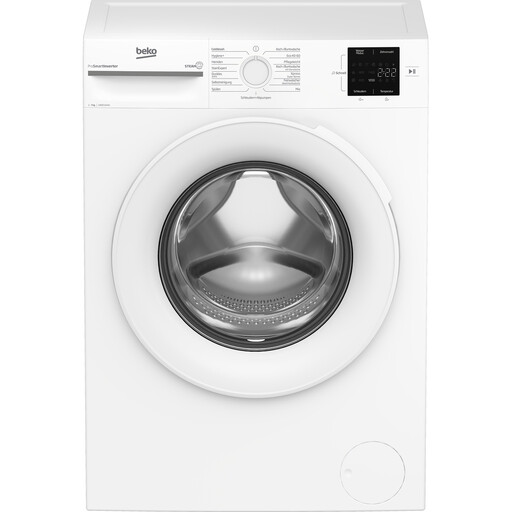
Beko BMMWFU374A, 7 kg
If you’d rather not wait until you have a full load, check the OptiSense adjustment mentioned in the product description and whether the Quick programme suits your fabrics.
7 kg; 1400 U/min; energy class A; SteamCure; ProSmart Inverter Motor.
View at Joybuy
 No image available
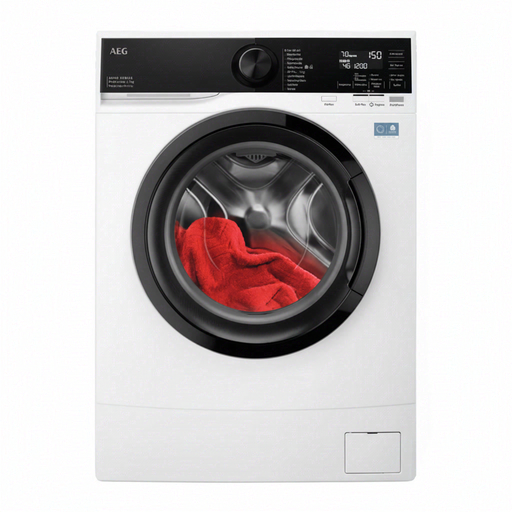
AEG LSR6FA75470 Series 6000 Slim, 7 kg
For lightly soiled laundry when you’re in a hurry, the product description lists a 20-minute programme for up to 3 kg. Check whether that limit suits your load.
7 kg; 1400 U/min. According to the description, the 20-minute programme is limited to lightly soiled laundry and a maximum load of 3 kg.
View at Joybuy
 No image available
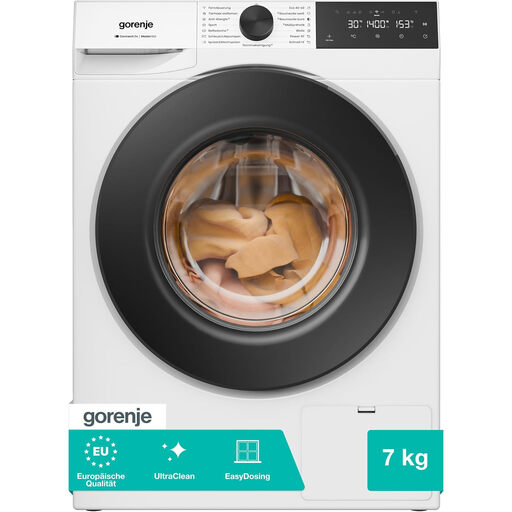
Gorenje W5G474A2P1, 7 kg
If you’re looking for a function that adjusts the wash to the load, check the WashControl feature mentioned in the product description and whether it applies to the programme you want.
7 kg; 1400 U/min; 15 programmes; steam function.
View at Joybuy
 No image available
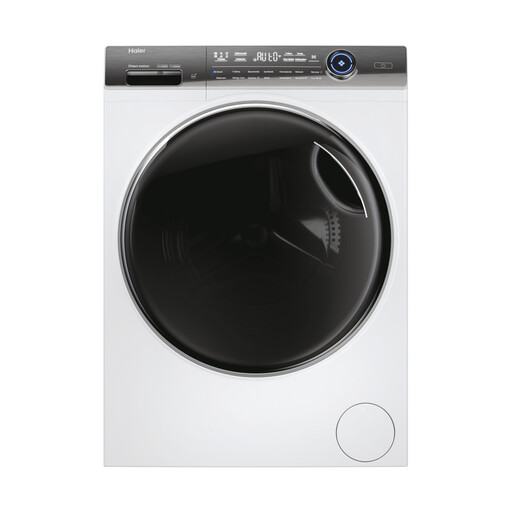
Haier HW80-BD14979EU1 I-Pro 7 Plus, 8 kg
If you often wash partial loads, check the adjustment to the weighed laundry load mentioned in the product description and whether it’s available on your preferred programme.
8 kg; 1400 U/min; AutoDose.
View at Joybuy
 No image available
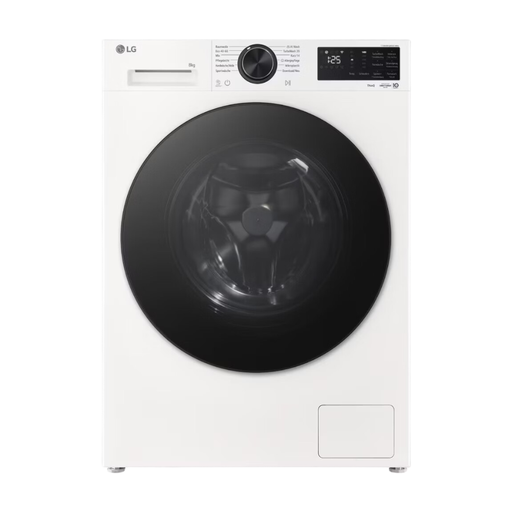
LG F4WX708YC, 8 kg
For small loads when you’re short on time, the product description lists TurboWash 360° for a half load in 39 minutes, plus a Quick 14 programme for lightly soiled laundry. Check the conditions for each programme.
8 kg; 1400 U/min; AI DD; TurboWash 360°.
View at Joybuy
Frequently asked questions
What temperature is suitable for lightly soiled cotton T-shirts?
Check the care label first. For lightly to normally soiled coloured laundry, the German Environment Agency generally recommends 20 to 30 °C. This general advice may not apply if there are particular hygiene needs or heavy soiling.
Is Eco 40–60 a fixed 40 or 60 °C quick wash?
No. Eco 40–60 is the programme used for EU energy labelling, for normally soiled cotton that can be washed at those temperatures. The label’s consumption figures don’t apply to a quick wash or another Cotton programme.
How much detergent should I use for small loads?
Follow the detergent packaging guidance on how soiled the laundry is and your local water hardness, as well as the appliance manual. The German Environment Agency notes that using too much detergent increases costs and environmental impact without improving the wash results.
What should I do before the first wash?
Set up the appliance and connections according to the manual for the model you’ve bought. Miele’s WQ 1200 manual warns that failing to remove the transit bars may cause damage. Always follow the instructions for your particular appliance.
Does the retailer have to take back my old washing machine free of charge?
Under section 17 of the German Electrical and Electronic Equipment Act (ElektroG), you’re generally entitled to free take-back by a retailer with the relevant obligation when you buy a new appliance of the same type. If the new appliance is delivered to your home, collection is also free of charge subject to the legal requirements. Check the take-back arrangements when you buy, and distinguish them from any separately offered disconnection service.


