What should you look for when buying?
Compare the programmes you’ll actually use rather than treating short cycle times, drum size and energy-label figures as interchangeable. The German Environment Agency notes that quick programmes save time, but aren’t automatically more energy-efficient. The German consumer advice centre explains that Eco programme consumption figures are intended for comparison.
| What matters |
What to check before buying |
Who it matters most to |
| Programme for small loads |
Check the permitted load for the programme you want to use and whether the specific model adjusts to the load size. |
If I usually wash only a few napkins, I want to know whether the right programme is designed for a load of that size. Around 33% of consumers prioritise being able to wash small loads frequently. |
| A programme suitable for hygiene needs |
Check the care label, along with the temperature options and permitted load for the programme. |
If used napkins go in the wash regularly, I want to consider the temperature and fabric care together. The German Environment Agency recommends washing napkins at 40 or 60 °C. Around 27% of consumers pay particular attention to this need. |
| Food stains and fabric care |
Check the pre-treatment options and stain-removal programmes on the exact model. |
If food stains are a frequent problem, I want to use a suitable programme without washing delicate fabrics inappropriately just because they have a stain. Around 20% of consumers prioritise stain treatment. |
| Running costs and water protection |
Use the Eco 40–60 figures for comparison and check the water protection features of the specific model. |
If I do a lot of washing, I want to consider energy and water consumption as well as the machine’s features. Around 20% of consumers focus primarily on running costs and water protection. |
Washing machines at Joybuy
This selection includes washing machines for the home with information on load adjustment, small-load programmes or stain-removal features. Check the temperature and permitted load for the programme on each specific model.
 No image available
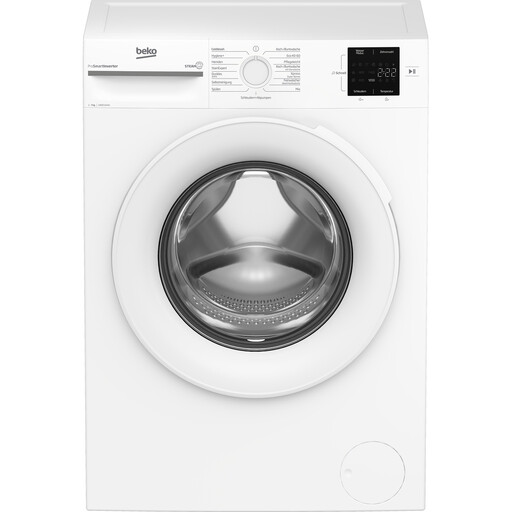
Beko BMMWFU374A, 7 kg
The listed load-weight adjustment and Quick programme could be useful if you often wash loads of different sizes. Quick is described as being for lightly soiled small loads.
7 kg; 15 programmes; selectable temperatures up to 60 °C; described as a freestanding front-loader with a depth of 496 mm.
For hygiene reasons, the German Environment Agency recommends washing napkins at 40 or 60 °C. Check that the temperature and permitted load for your chosen programme are suitable for the fabric and its care label.
View at Joybuy
 No image available
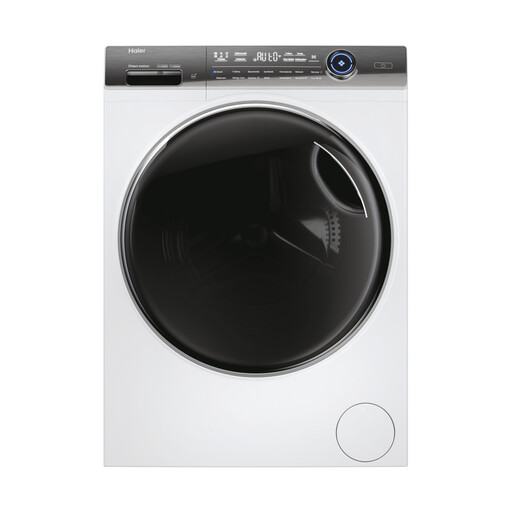
Haier I-Pro 7 Plus HW80-BD14979EU1, 8 kg
The listed LoadSense feature and automatic water-level adjustment could be useful for households that wash loads of different sizes.
8 kg front-loader; the description lists stain-removal programmes and selectable temperatures, including 40 and 60 °C.
Check the care label and permitted load for the specific programme before choosing it for napkins.
View at Joybuy
 No image available
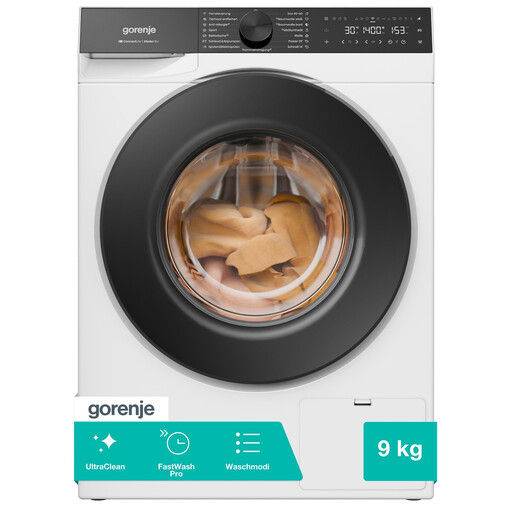
Gorenje W5G694A1T1, 9 kg
The listed adjustments for load size and fabric type could be useful for households that wash loads of different sizes. StainExpert is listed as a stain-removal feature.
9 kg; 15 programmes; product information gives an Eco comparison figure of 41 kWh per 100 cycles.
The Eco figure doesn’t show the consumption of a different programme or a single small load of napkins. Also check the permitted load for the wash cycle you choose.
View at Joybuy
 No image available
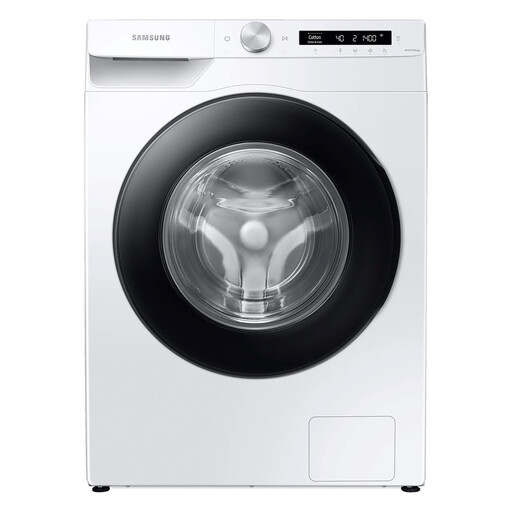
Samsung WW90T504AAWCS2, 9 kg
The listed stain-removal and hygiene programmes, along with adjustable temperatures, could suit a range of laundry needs.
9 kg front-loader; 22 programmes; temperature settings up to 60 °C; the description lists Stain Intensive and a Hygiene Steam programme.
Check that the programme temperature and load are suitable for the napkins’ care labels and how soiled they are.
View at Joybuy
 No image available
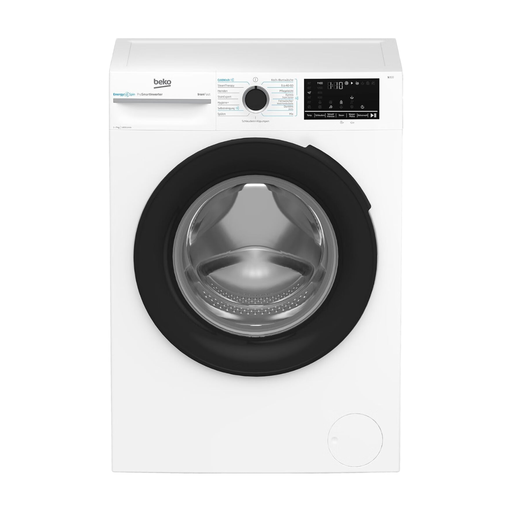
Beko BM3WFU4841N, 8 kg
The product description lists a 14-minute Express programme, as well as StainExpert and Hygiene+. The programme names alone don’t prove that a wash cycle is suitable for every napkin.
8 kg; 15 programmes; AquaWave drum, according to the product description.
The specific programme, its permitted load and the fabric care instructions should all be a good match. A quick programme isn’t automatically energy-efficient or suitable for every hygiene requirement.
View at Joybuy
Frequently asked questions
Is a 14-minute programme enough for used cloth napkins?
Not in every case. For hygiene reasons, the German Environment Agency recommends washing napkins at 40 or 60 °C. Check the care label, temperature and permitted load for the specific quick programme. Beko’s claim of a 14-minute cycle for loads of up to 2 kg on the BM3WFU4841N doesn’t, by itself, prove that it’s suitable for washing every napkin hygienically.
How much detergent should I use for small loads?
Follow the dosage guidance on the detergent packaging, taking the soil level and water hardness into account. The German Environment Agency notes that using too much detergent won’t improve the wash results and will add to your costs and environmental impact.
What should I check before delivery and connection?
Compare the dimensions of the specific model with the space available and the access route, and check the water supply and drainage. Also confirm whether water protection, connection and any disconnection service are included in the offer you’ve chosen. Features and services can vary by model.
How can the energy label help me with washing napkins?
The EU energy label includes figures such as electricity use per 100 wash cycles and water use per cycle for Eco 40–60. These figures are useful for comparing machines, but don’t show consumption for a different programme or a single small load.
What are the rules in Germany on faulty goods and old washing machines?
For an ordinary purchase, statutory claims for faulty goods generally expire two years after delivery. A voluntary manufacturer’s warranty is separate. Online retailers also have take-back obligations for old electrical appliances. The German Federal Ministry for the Environment notes that home collection must be agreed when the contract is concluded. Check the specific terms when you buy.


