Households with a tight laundry space
Measure up to see whether width, depth or height is the limiting factor. This will help you decide whether a top-loader, slimline front-loader or more compact machine is right for you.


First, measure the width, depth and height of the space, as well as the room needed to open and connect the machine. A slim top-loader is a good choice when width is limited, a slimline front-loader when depth is restricted, and a mini machine when height or floor space is tight too. Then choose a capacity to suit your loads, and check the care label, wash programmes and consumption figures on the same Eco 40–60 basis.
Measure up to see whether width, depth or height is the limiting factor. This will help you decide whether a top-loader, slimline front-loader or more compact machine is right for you.
Check the care labels on your cotton shirts and compare suitable programmes and load limits. GINETEX Germany explains that care labels specify how textiles may be treated.
Choose a rated capacity that suits your usual laundry loads. The Verbraucherzentrale recommends choosing an appliance size that matches your household.
First, work out which dimension or how much operating space is limited. Then compare the capacity and programmes with your laundry and the care labels.
| Consideration | What to check when buying | Who is it important to? |
|---|---|---|
| Fit and operating space | Measure the width, depth and height; allow room for opening the machine, connections and the route for delivery. | If my laundry space is tight, I need to know which dimension is the deciding factor and whether the lid or door can open freely. Around 36% of consumers prioritise fit and operating space. |
| Caring for shirts | Check the care label, as well as suitable cotton, shirt or easy-care programmes and their load limits. | If I wash cotton shirts regularly, I want to follow the care instructions and choose a suitable programme. Around 29% of consumers prioritise the right treatment for their shirts. |
| Capacity | Compare your usual laundry load with the rated capacity in kilograms and any programme load limits. | If my loads are small or frequent, the drum size needs to suit my actual washing routine. Around 21% of consumers focus mainly on choosing the right load size. |
| Running consumption | Compare kWh per 100 Eco cycles and litres per Eco cycle on the same Eco 40–60 basis. | If I want to compare running consumption, I need to use the same programme as a basis rather than making a blanket comparison between different programmes. Around 14% of consumers make electricity and water consumption their main consideration. |
A top-loader opens upwards, while a front-loader opens forwards. The narrowest external measurement alone won’t tell you whether the machine will be practical in the space you have in mind.
For the specific model, check all three dimensions, opening space, connections and the delivery route.
An unsuitable location may mean extra planning for delivery or installation.
The care label specifies how each individual shirt may be treated. Additional features and programmes vary by model.
Check the care symbols first, then see which programmes the specific machine offers and how much laundry each can take.
The stated consumption figures are based on the Eco 40–60 programme and don’t automatically reflect the consumption of other programmes.
Start by comparing machines on the same Eco 40–60 basis, then consider your usual choice of programmes separately.
A washer-dryer isn’t automatically the right solution if you can dry your laundry another way. The Verbraucherzentrale notes that washer-dryers use more electricity and water than separate washing machines and tumble dryers.
First consider whether you really need a tumble dryer and whether you can hang your shirts up to dry. Don’t compare washer-dryers and separate appliances as if they use the same amount of energy and water.
A top-loader could be an option if width is the main constraint.
According to the manufacturer, the LTR7A70260 top-loader combines a 6 kg capacity with a steam option.
A slimline front-loader may fit in a shallow space, provided there’s enough room in front for the door.
A mini front-loader could be a good option if low height or a small footprint is especially important.
A standard-size front-loader is an alternative if your measurements show that the space is large enough.
The Aquamatic range offers a mini-machine option if compact dimensions matter more than a large capacity.
This selection includes washing machines with a range of capacities and designs, including slimline and mini front-loaders. Compare the dimensions of the specific model with your available space before choosing.
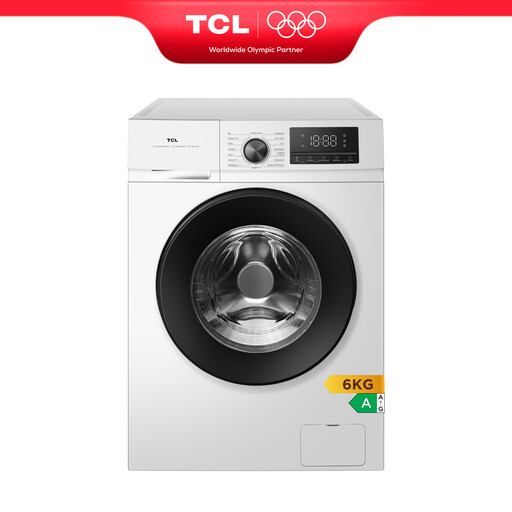 No image available
The stated capacity gives you a useful point of comparison for your usual laundry loads; check the appliance dimensions against your available space.
The product name lists a BLDC motor, Steam Wash, Quick Wash 15mn, Child Lock, Honeycomb Drum and energy efficiency class A.
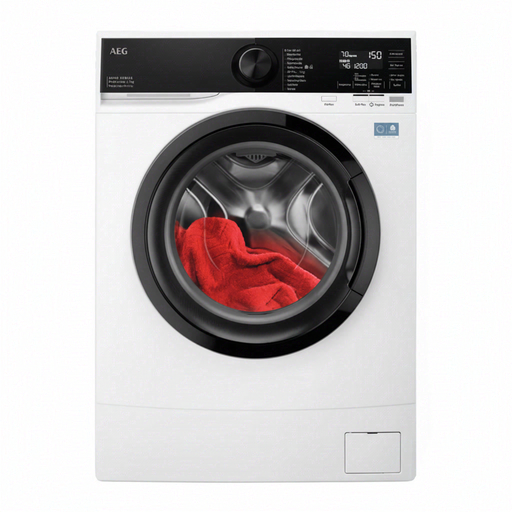 No image available
As a slimline front-loader with a stated depth of 487 mm, this model may suit a shallow space; remember to measure the area in front of the door too.
The product details list a 7 kg capacity, a cotton programme and 1400 rpm.
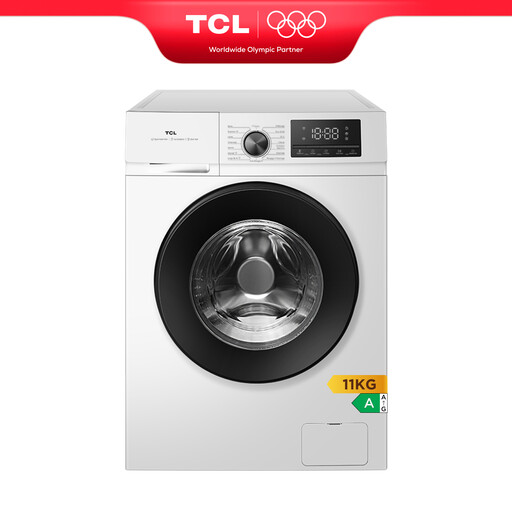 No image available
With an 11 kg capacity, it’s especially important to check that both the capacity and appliance dimensions suit your needs and available space.
The product name lists a BLDC inverter motor, Magic Flow, Quick Wash 15mn and Add Garment, as well as energy efficiency class A.
 No image available
This model is described as Slim Fit; compare its exact dimensions with your available space before deciding where to put it.
The product details list a 9 kg capacity, 1200 rpm and a cotton programme.
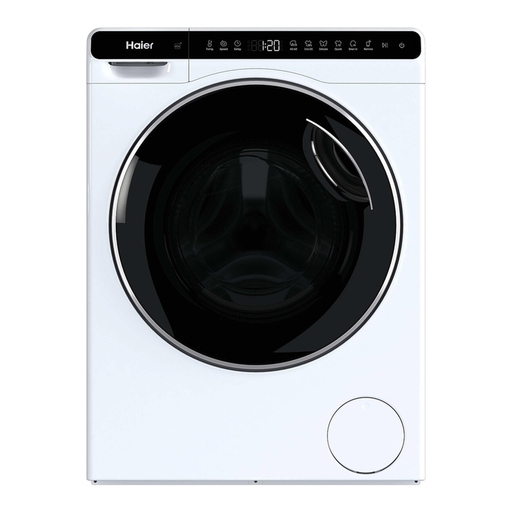 No image available
The mini design and 5 kg capacity may suit you if floor space is limited and your usual loads fit in the drum.
The product details list six wash programmes and Quick Wash from 15 minutes. Check the appliance dimensions and the load limit for your chosen programme.
No. Check the care label on each shirt. The European Commission describes Eco 40–60 as being for normally soiled cotton that the label says can be washed at 40°C or 60°C. That doesn’t mean every shirt is suitable for this programme.
It doesn’t tell you the exact consumption of the shirt programme you usually use. The stated figures are based on Eco 40–60. Compare models on this common basis, and check the figures for other programmes separately if you use them often.
As well as the space for the machine and its door, check the connections and the instructions for your specific appliance. Bosch lists removing the transit bolts, connecting the machine to the electricity and water supplies, and positioning and levelling it as installation steps for its washing machines.
No. Electrical and electronic waste must be collected separately. The Umweltbundesamt explains the separate collection requirements; if you’re replacing an appliance, check which take-back or collection options are available to you.