Households with a narrow laundry alcove
If the alcove is tight, measure not only the appliance width but also the space needed to open it. A top-loader needs enough clearance above it for the lid to open fully.


If floor space is limited, a top-loading machine may be a good fit if width is the main issue and the lid can open fully. If height or depth is limited too, consider a compact front-loader. Measure the space available, including room to open the machine, and choose the drum size to suit your total laundry load. Compare energy and water figures for the same programme, and follow the care label on your pyjamas when choosing a wash cycle.
If the alcove is tight, measure not only the appliance width but also the space needed to open it. A top-loader needs enough clearance above it for the lid to open fully.
For a compact front-loader, compare its width, depth and height with the available space. Also consider whether the drum is large enough for your usual laundry loads.
If you wash other textiles as well as pyjamas, choose a drum that suits the total laundry load. Also factor in access to the door and the machine’s energy and water figures.
A good fit if: width is the main constraint and the lid can open fully upwards.
The trade-off: The top cannot be used as a surface for storage, and this type won’t work if a worktop prevents the lid from opening. According to the manufacturers, the Bauknecht and Beko models reviewed are each 40 cm wide; this does not apply to all top-loaders.
A good fit if: height or depth is limited too, and there is enough room in front for the door to open.
The trade-off: The 5 kg drum of the Haier Mini Washer reviewed may mean extra wash cycles for larger combined laundry loads.
A good fit if: there is enough width, including room for the open door, and you regularly have larger laundry loads.
The trade-off: The Bosch model reviewed is 598 mm wide; a larger rated capacity is not automatically an advantage for small, infrequent loads.
The German Consumer Advice Centre recommends considering appliance dimensions and installation requirements. The Federal Environment Agency notes that a shorter wash programme does not necessarily use less energy.
| Buying priority | What to look for | Who is this important for? |
|---|---|---|
| Space and room to open | Check the width, depth and height, as well as the room needed for the door or lid at the intended installation site. The German Consumer Advice Centre recommends taking installation requirements into account too. | If I have a narrow alcove, I want to know whether the machine will fit and open fully. Around 36% of consumers put available space first. |
| Drum size and care | Compare your usual total load, the rated capacity and the care label. Eco 40–60 is intended for normally soiled cotton labelled as washable at 40 °C or 60 °C. | If I wash pyjamas with other laundry, I want a drum that suits my usual load and a programme that follows the care label. Around 29% of consumers say choosing a machine to suit their laundry load is their top priority. |
| Energy and water use, and programme duration | Compare kWh per 100 cycles, water per cycle and programme duration on the same Eco 40–60 basis. A shorter programme is not necessarily more efficient. | If running costs matter most to me, I want comparable figures rather than focusing on programme duration alone. Around 21% of consumers put energy and water use first. |
| Connections, water protection and delivery | Before buying, check the water supply and drain connections, water protection, and what is included with delivery, installation and removal of your old appliance. | If I’m installing the machine in my home, I want to plan the connections and delivery in advance. Around 14% of consumers say safe installation is their top priority. |
A machine may fit into the alcove but still be impractical if there isn’t enough room to open the door or lid.
Match the width, depth and height to the available space, and check the clearance needed for opening and connections too.
The figures shown on the energy label are based on Eco 40–60 and don’t cover every wash cycle you might choose.
Compare models using their declared figures for the same programme, and take your usual programme choices into account.
What’s included can vary by offer; kerbside delivery is not the same as having the machine installed in its intended position.
Before completing your purchase, check which delivery and installation services are included in the specific offer.
The information below relates to specific model ranges and manufacturer details, rather than a general assessment of each brand.
The WAT Eco 712 B3 top-loader is an option for narrow spaces.
The BWTL 6A W ES top-loader is another narrow option.
The Mini Washer HW50-BP12307U1 is a compact front-loader for smaller loads.
The LTR6N40260 top-loader is another narrow model to consider when comparing machines.
The standard WAN28127 front-loader is a useful comparison if you have more space available.
This selection includes front-loaders with different capacities and space requirements, including compact models for smaller spaces.
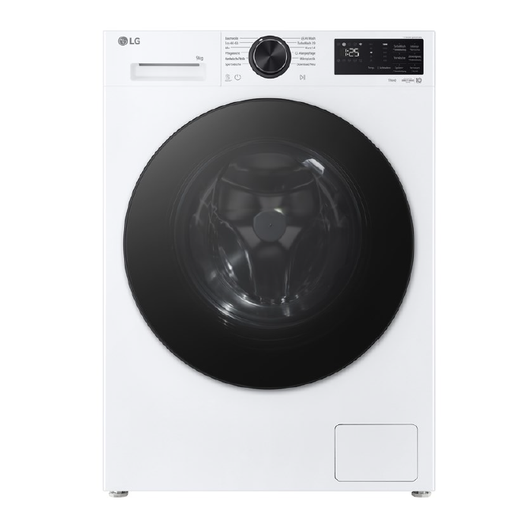 No image available
This front-loader could be a good choice if you have larger laundry loads as well as pyjamas, and enough room for the door to open.
9 kg capacity; 1200 rpm; Slim Fit; energy class A.
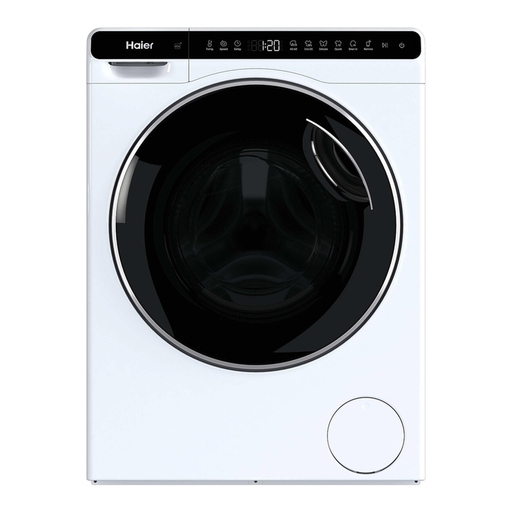 No image available
This compact front-loader may suit a space where several dimensions are limited and you usually wash smaller loads. For larger combined laundry loads, its 5 kg drum may mean extra wash cycles.
5 kg capacity.
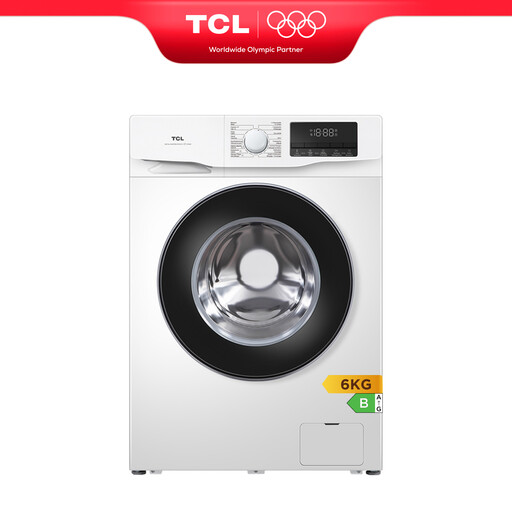 No image available
This front-loader is an option if depth is limited and its stated capacity suits your laundry load; make sure you leave room to open the door.
6 kg capacity; 45 cm depth; energy class B.
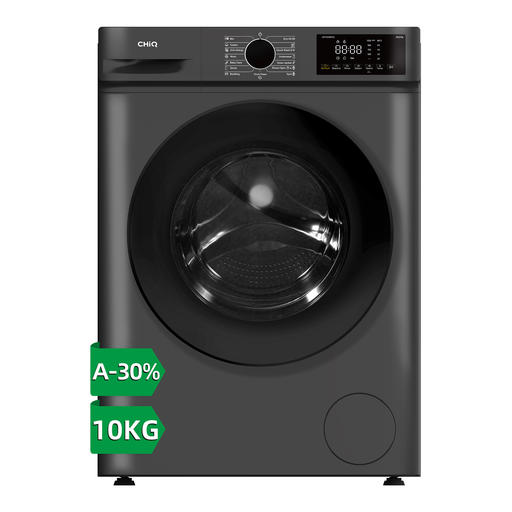 No image available
This front-loader could suit larger laundry loads if its stated width fits the available space and there is enough room for the door to open.
10 kg capacity; 465 mm slim width.
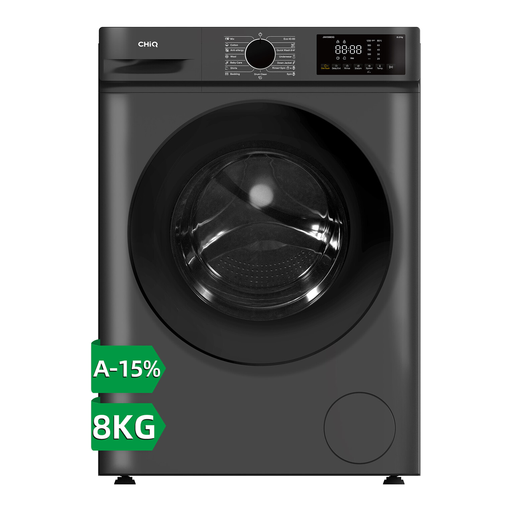 No image available
This front-loader is an option for larger laundry loads, provided its stated width fits the available space and there is enough room for the door to open.
8 kg capacity; 465 mm slim width.
Not necessarily. Choose the programme and temperature according to the care label and how soiled the pyjamas are. Eco 40–60 is defined for normally soiled cotton labelled as suitable for this programme. If someone in your household has a contagious illness, additional hygiene measures may be needed.
Not if the worktop prevents you from opening and loading the machine from above. Check the specific model to make sure the lid can open fully and there is enough clearance above it.
Follow the safety and connection instructions for your specific appliance, paying particular attention to the water supply and drain, as well as water protection. This does not mean every household necessarily needs to hire a professional installer.
Check the specific offer to see whether delivery to the installation site, installation and removal of your old appliance are included. The German Consumer Advice Centre distinguishes between your statutory rights against the seller and a voluntary guarantee.
The EU energy label applies to the household washing machines covered by the rules; the European Commission lists washing machines in its EU product regulations. The German Consumer Advice Centre does not describe a blanket ban on washing machines in rented homes, but recommends checking the specific installation with your landlord and ensuring there is protection against water damage. Check the terms of your tenancy.