Regularly washing sportswear
If you regularly wash small loads of machine-washable sportswear, check the care label, choose a suitable delicates or sports programme, and pay attention to its load limits.


For frequent, small loads of sportswear in a student house share, a suitable delicates or sports programme and adjustable spin speed matter more than having the largest possible drum. Always follow the care label. For everyday laundry washed together, you’ll also need to consider the right capacity, water protection and available space. A top-loading machine may be an option if there’s enough room above it to open the lid.
If you regularly wash small loads of machine-washable sportswear, check the care label, choose a suitable delicates or sports programme, and pay attention to its load limits.
If you alternate between sportswear and everyday laundry, the right capacity and clear agreements about sharing the machine are important.
Before choosing a machine, check its design, the clearance needed to open the door or lid, the connections and the water protection available where you plan to install it.
First check the care requirements for your sportswear and the load limits of the programmes you need. Then you can make a more informed assessment of capacity, running costs and installation requirements.
| What matters | What to check before buying | Who is this especially important for? |
|---|---|---|
| Washing sportswear gently | Check the care label, the delicates or sports programme, and the load limit for that specific cycle. | If I regularly wash small loads of sportswear, I want to be able to choose a suitable programme. Around 33% of consumers are likely to prioritise caring for sportswear in a way that’s suitable for the fabric. |
| Different loads in a house share | Compare your usual shared loads with the rated capacity and any programme-specific limits. | If small individual loads alternate with larger shared loads, the drum should suit the amounts you typically wash. Around 27% of consumers are likely to prioritise having the right capacity. |
| Keeping an eye on consumption | Compare electricity and water figures only when they’re based on the same label and programme. | If we share the machine, I want to be able to compare consumption figures on a like-for-like basis. Around 20% of consumers are likely to consider running costs their top priority. |
| Space, noise and water protection | Check the clearance needed to open the door or lid, the connections, spin noise and the water protection features of the specific model. | If space is limited or the machine is going in a rented flat, the installation needs to suit the home and the day-to-day needs of everyone who lives there. Around 20% of consumers are likely to prioritise available space and consideration for others. |
Beko lists a rated capacity of 8 kg for the BM3WFU4841N, but the 14-minute programme can take a maximum of 2 kg.
Check the load limit for the specific cycle you plan to use for sportswear.
If your chosen quick programme only allows a smaller load, you may need to run extra cycles for larger amounts of laundry.
The stated consumption figures are for the Eco-40–60 programme and don’t automatically reflect the consumption of a sports or quick wash.
Compare label figures on a like-for-like basis, and bear in mind that other programmes may use different amounts.
The Verbraucherzentrale (German consumer advice centre) points out that washer-dryers use more electricity and water than separate machines, and can’t dry the entire wash load straight away.
First check whether there’s space for a suitable drying solution alongside the washing machine. If not, compare the washing and drying capacities separately.
In a rented flat, the installation location, connections and risk of water damage may affect other residents too.
Agree the installation with your landlord or letting agent in advance, and check the space, connections and the machine’s water protection features.
The BM3WFU4841N is a freestanding 8 kg front-loading washing machine with a quick programme for small loads.
The documented LR6B60480 and LTR6A60370 models come in different designs: front-loading and top-loading.
Depending on the model, Bosch suggests a sportswear programme or a delicates cycle as a possible setting for technical fabrics.
This selection of front-loading machines includes models with sports or delicates programmes and features for handling different load sizes.
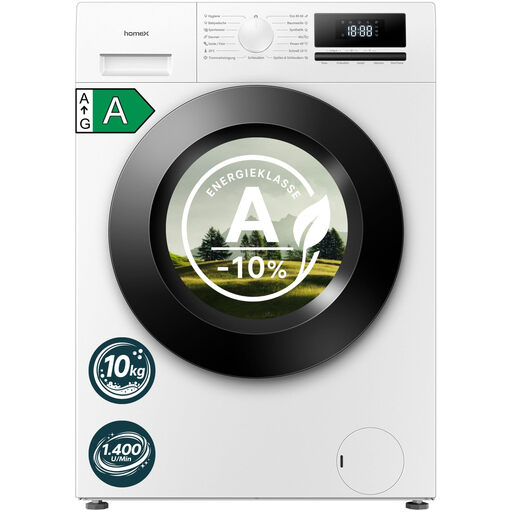 No image available
The listed sportswear programme may be worth considering if you regularly wash machine-washable sportswear separately.
Features include 15 programmes, 1400 rpm, AquaStop and a spin noise level of 74 dB.
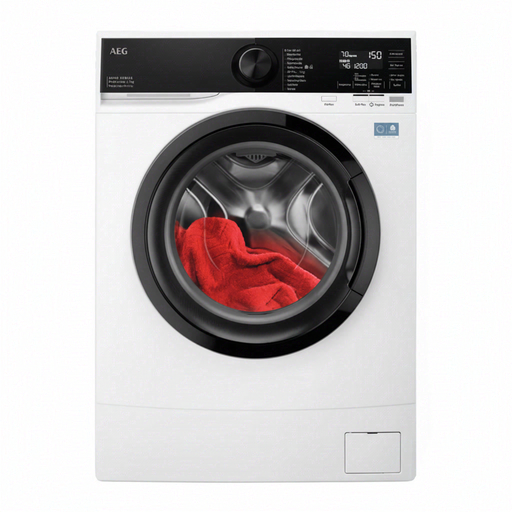 No image available
The listed delicates programmes and adjustable settings may be useful for smaller or more delicate loads.
Features include Delicate/Silk, a 20-minute programme for 3 kg, a wool programme, and adjustable temperature and spin speed.
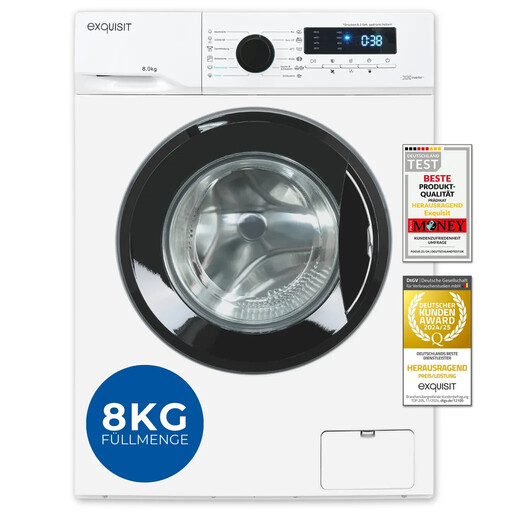 No image available
The listed rated capacity may make this a good option for shared loads in a house share. Check the quick programme’s load limit too.
Features include 13 programmes, a maximum spin speed of 1400 rpm and AquaStop.
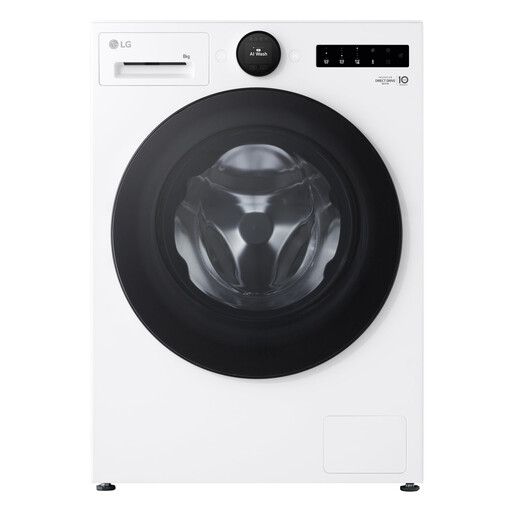 No image available
The listed programmes for small loads may be useful if you don’t want to wait until you have a full drum of sportswear.
The machine has a 14-minute programme and a 39-minute programme for half loads; it also features 1350 rpm and AI DD.
 No image available
The listed sportswear programme may be useful if you regularly wash machine-washable sportswear. Consider whether the rated capacity suits the shared loads in your house share.
Features include Sportswear, Quick 14, LoadSense, AquaLock and adjustable spin speeds.
No, not necessarily. For suitable sportswear, Bosch suggests using a delicates cycle or washing at 30 °C on a low spin speed as an alternative to a dedicated sportswear programme. Always follow the care symbols on the garment.
Agree the proposed installation location with your landlord or letting agent in advance, and take the connections and risk of water damage into account. The Verbraucherzentrale recommends discussing this beforehand; it doesn’t mean washing machines are generally prohibited in rented homes.
Choose the programme and load size according to the care label and the limits of the cycle. The Verbraucherzentrale recommends measuring detergent according to the amount of laundry, how soiled it is and the local water hardness. Eco label figures don’t automatically apply to sports or quick programmes.
Compare figures on the same programme basis, including electricity use per 100 Eco-40–60 cycles and water use per Eco cycle. The European Commission sets out requirements for the Eco-40–60 programme; these figures aren’t a promise of how much energy or water a sportswear wash will use.