What should you look for when buying?
First, work out whether you’ll mostly wash together or separately. Then compare the programmes and energy consumption figures, and finally check that the machine and connections will fit in the space you have in mind.
| What matters |
What to check before buying |
Who it matters most to |
| Drum capacity and load sizes |
Compare the typical size of shared loads with the stated capacity, and take the machine’s dimensions into account too. |
If we regularly combine shirts and other laundry, we want to wash a suitable load together rather than choosing a machine based only on the number of people. Around 33% of consumers say the amount of laundry they wash together is their top consideration. |
| Cotton shirts and programmes |
Check the care label, cotton and Eco programmes, and the maximum load for any quick wash programme. |
If we want to wash cotton shirts appropriately according to their care labels and how dirty they are, the range of programmes needs to suit our needs. Around 25% of consumers put shirt care first. |
| Space and connections |
Check the dimensions, door or lid clearance, delivery route, water inlet and drain, spin noise level on the energy label, and the stated water protection. |
If we’re putting a machine in a cramped laundry area, it needs to be practical to open and connect it there. If you’re renting, you may also need to check the proposed location with your landlord. Around 25% of consumers focus mainly on space and connections. |
| Energy use and running costs |
Compare kWh per 100 Eco cycles and litres per Eco cycle using the same energy label basis; check what additional services are available and who is responsible for repairs. |
If we share a machine, we want to compare its energy use over many washes as well as its purchase price. Around 17% of consumers say running costs are their top consideration. |
Washing machines for student-house life
This selection from Joybuy features freestanding front-loaders for cotton laundry and a range of student-house load sizes.
 No image available
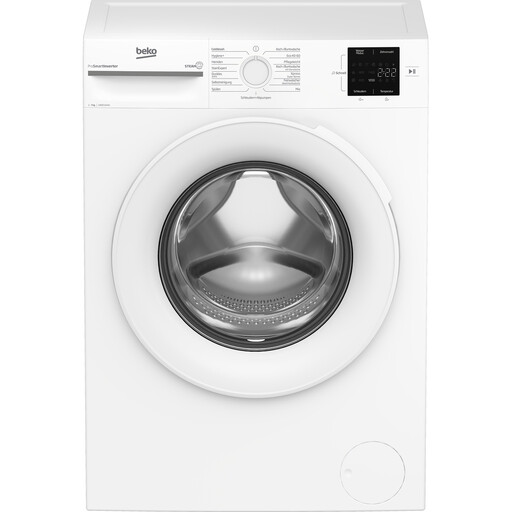
Beko BMMWFU374A, 7 kg
A front-loader with a clearly listed cotton programme could suit a student house with varying load sizes.
Product name highlights: 7 kg, maximum 1.400 U/min, SteamCure, ProSmart Inverter Motor and energy class A.
Joybuy
 No image available
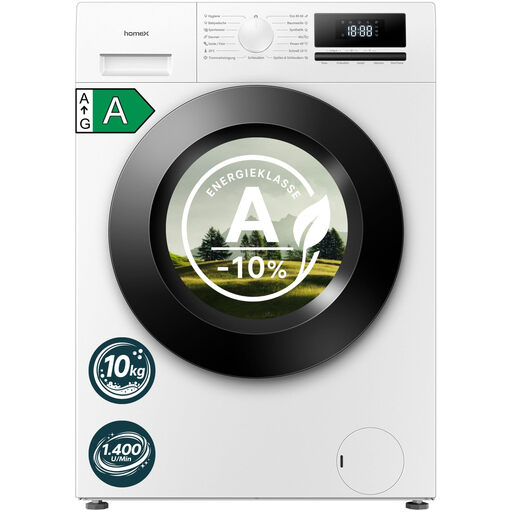
homeX WF1014H1A-W, 10 kg
The stated capacity could be worth considering for student houses that regularly wash larger loads together.
Product name highlights: 10 kg, front-loader and maximum 1.400 U/min.
Joybuy
 No image available
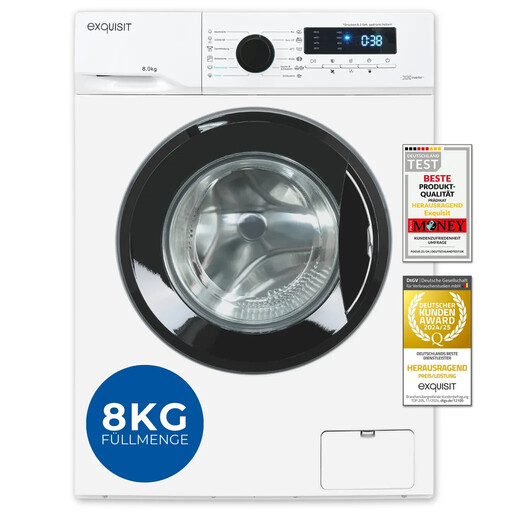
Exquisit WA58014-020A, 8 kg
A cotton programme is worth considering if you want to wash shirts according to their care labels.
Product name highlights: 8 kg, energy class A, maximum 1.400 U/min and 13 programmes.
Joybuy
 No image available
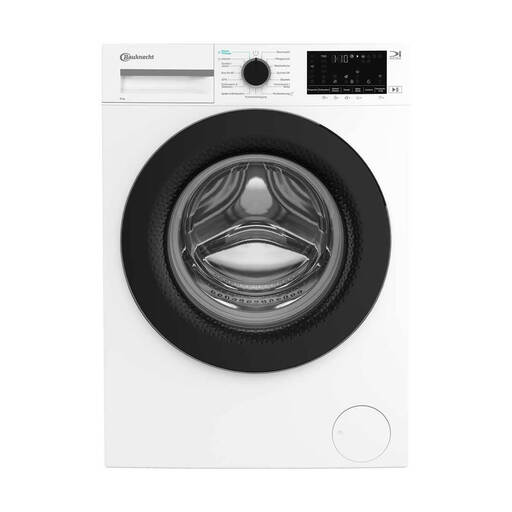
Bauknecht BW 8A10 BS, 8 kg
For varying student-house loads, the capacity and load adjustment details may help when comparing models.
Product name highlights: 8 kg, maximum 1.400 U/min, Steam Therapy, Adaptive Wash and energy class A. Steam Therapy is described as a refresh function and doesn’t replace washing dirty shirts.
Joybuy
 No image available
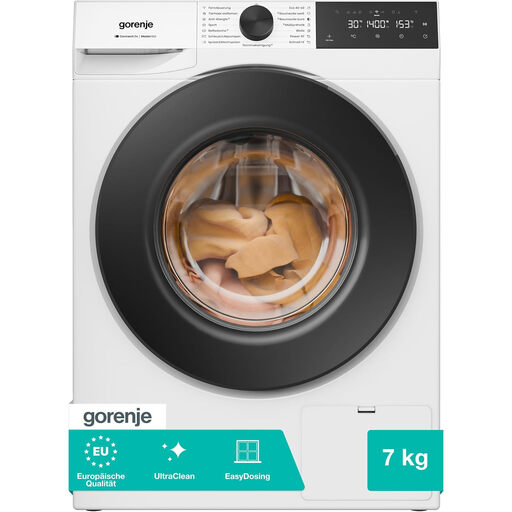
Gorenje W5G474A2P1, 7 kg
The clearly listed cotton programme makes this a possible option for washing shirts. Also check that its programmes suit the care labels on your clothes.
Product name highlights: 7 kg, maximum 1.400 U/min and 15 programmes.
Joybuy
Frequently asked questions
Can I always wash cotton shirts on Eco 40–60?
No. According to the European Commission’s description, Eco 40–60 is designed for normally soiled cotton that can be washed at 40 °C or 60 °C according to its care label. If the care instructions or level of soiling are different, check the label and programme separately.
Does a quick wash automatically save electricity in a student house?
No. The Umweltbundesamt distinguishes between time-saving quick programmes and longer, energy-saving programmes. Also check the maximum load for the quick programme on the model you’re considering.
What should we check before installing a machine in a rented student house?
Check the connections and water protection, and, if necessary, confirm the proposed location with your landlord before installation. The Verbraucherzentrale highlights the possible consequences of water damage; whether a location is permitted depends on the circumstances where you live.
How can we prevent smells in a shared washing machine?
Don’t leave wet laundry in the machine for long. If needed, dry the seal and detergent drawer, and leave the openings ajar so the machine can dry out. The Verbraucherzentrale also recommends cleaning the fluff filter regularly, if the machine has one, and washing suitable white laundry at 60 °C with powder detergent for whites about once a month.
What are the rules in Germany for faults and getting rid of an old washing machine?
Your statutory rights if a product is faulty are different from a voluntary manufacturer’s guarantee. For ordinary statutory claims relating to defects, § 438 BGB generally provides for a period of two years from delivery. Electrical waste must be taken to an authorised collection point. Retailers’ take-back obligations depend on factors including their legal requirements, and for large appliances may be linked to buying a corresponding new one.


