People with a narrow laundry alcove
The key question is whether width, depth or height is restricted. You’ll also need space for the door or lid to open, for the connections and to move the appliance into position.


The right design depends on whether width, depth or height is most limited in your laundry space. A top-loading machine may suit a narrow space, a slim front loader can work where depth is limited, and a mini machine may be an option if height is restricted. Before choosing, measure the space needed to open the door or lid, as well as room for the connections. For table napkins, choose the programme and temperature according to the care label, fabric and level of soiling.
The key question is whether width, depth or height is restricted. You’ll also need space for the door or lid to open, for the connections and to move the appliance into position.
The programme should suit the fabric, care label and level of soiling on your napkins. A quick or hygiene programme won’t necessarily be suitable for every fabric.
If you wash just a few napkins with other household laundry, compare the drum capacity with your usual total load and how often you wash.
Start by measuring the space, including room for the door or lid to open and for the connections. Then compare the care programmes and capacity with the napkins and other laundry you usually wash.
| Criterion | What to check before buying | Who should pay particular attention? |
|---|---|---|
| Fit and installation | Measure the alcove’s width, depth and height, as well as the space needed to open the door or lid and for the water inlet and outlet. Follow the installation requirements for the specific model. | If space is limited, the appliance needs to fit in the alcove and be easy to use there. Around 42% of consumers say fit is their main consideration when choosing. |
| Napkin care | Check the care labels against the programmes available on the specific appliance. Don’t treat a manufacturer’s claims about stain removal as an independent test of effectiveness. | If my napkins are stained, I want to choose a programme that suits the fabric and care label. Around 33% of consumers put suitable cleaning and fabric care first. |
| Capacity and consumption | Consider your usual total load and how often you wash. Compare the capacity, kWh per 100 Eco cycles and litres per Eco cycle on the EU label for the specific model. | If I usually wash small loads, I want the drum size to suit the laundry I typically have. Around 25% of consumers prioritise small loads and a suitable capacity. |
A top loader needs clearance above the lid, while a front loader needs space in front of the door. Hoses and protruding parts also affect the depth you’ll actually need.
Check the external dimensions, opening clearance, access route and connection requirements in the documentation for the specific model.
A smaller drum holds less laundry. If that means you need to run extra wash cycles, actual consumption will depend on how you use the machine and which programmes you choose.
Compare the capacity with your usual total laundry load, and compare the energy label figures on the same Eco basis.
The fabric and care label may limit your choice of programme and temperature. An advertised stain programme isn’t independent proof that it will remove every stain from every material.
Check that the programmes suit your napkins’ care labels, and consider the conditions under which the manufacturer makes its claims.
The DTL 6B BK W FF top loader is an example of a model for a laundry space with limited width.
The example models include a slim front loader for limited depth and a top loader for limited width.
The HW50-BP12307AU1 Mini Washer is an example to consider if height as well as floor space is limited.
Front loaders are worth comparing if there’s enough space in front of the door.
The following Joybuy models include slim front loaders and a top loader. What matters is the size of your laundry space, the clearance needed to open the appliance and the amount of laundry you usually wash.
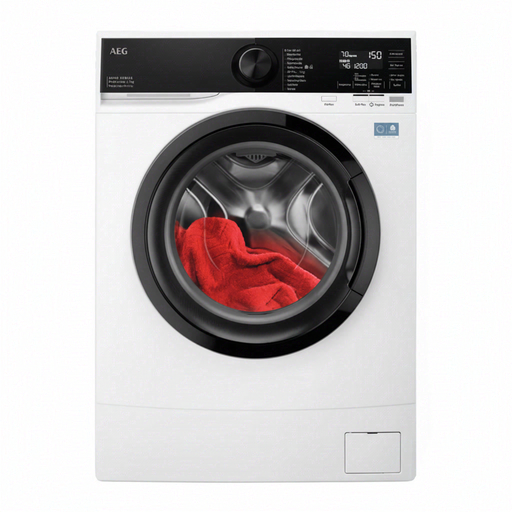 No image available
This slim front loader may suit a laundry space with limited depth. Check the actual dimensions and the clearance needed in front of the door.
The stated capacity is 7 kg. Programmes listed include Cotton, Delicates or Silk, and Wool.
 No image available
This front loader is described as Slim Fit. Compare its dimensions with your alcove, and check that the capacity suits your usual total laundry load.
With a stated capacity of 9 kg and programmes for Cotton, Mixed Fabric and Easy Care, it’s worth considering if your household can make use of that capacity.
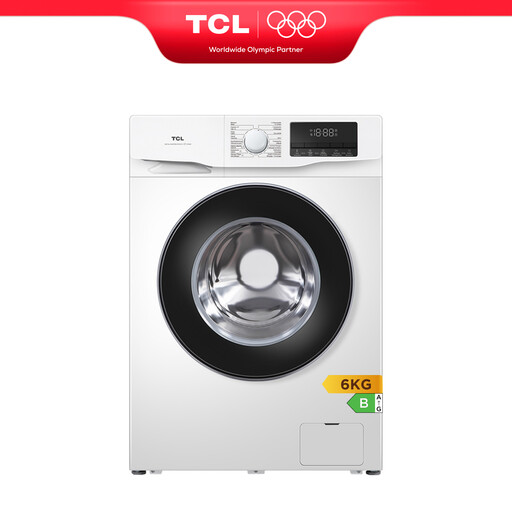 No image available
The stated depth may be useful to know if your alcove is tight. Allow extra room for connections, protruding parts and the space needed in front of the door.
The model is listed with a 6 kg capacity, energy class B, Steam Wash and automatic adjustment to the load weight.
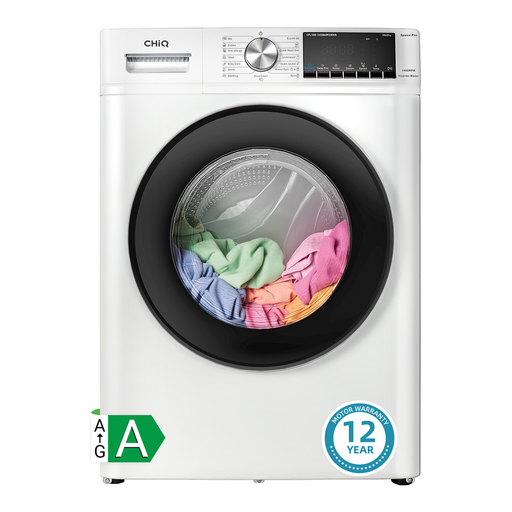 No image available
Before choosing, check that the stated depth of 57 cm will fit your laundry space and that the capacity makes sense for your usual load.
The model is listed with a 10 kg capacity, 15 wash programmes and energy class A.
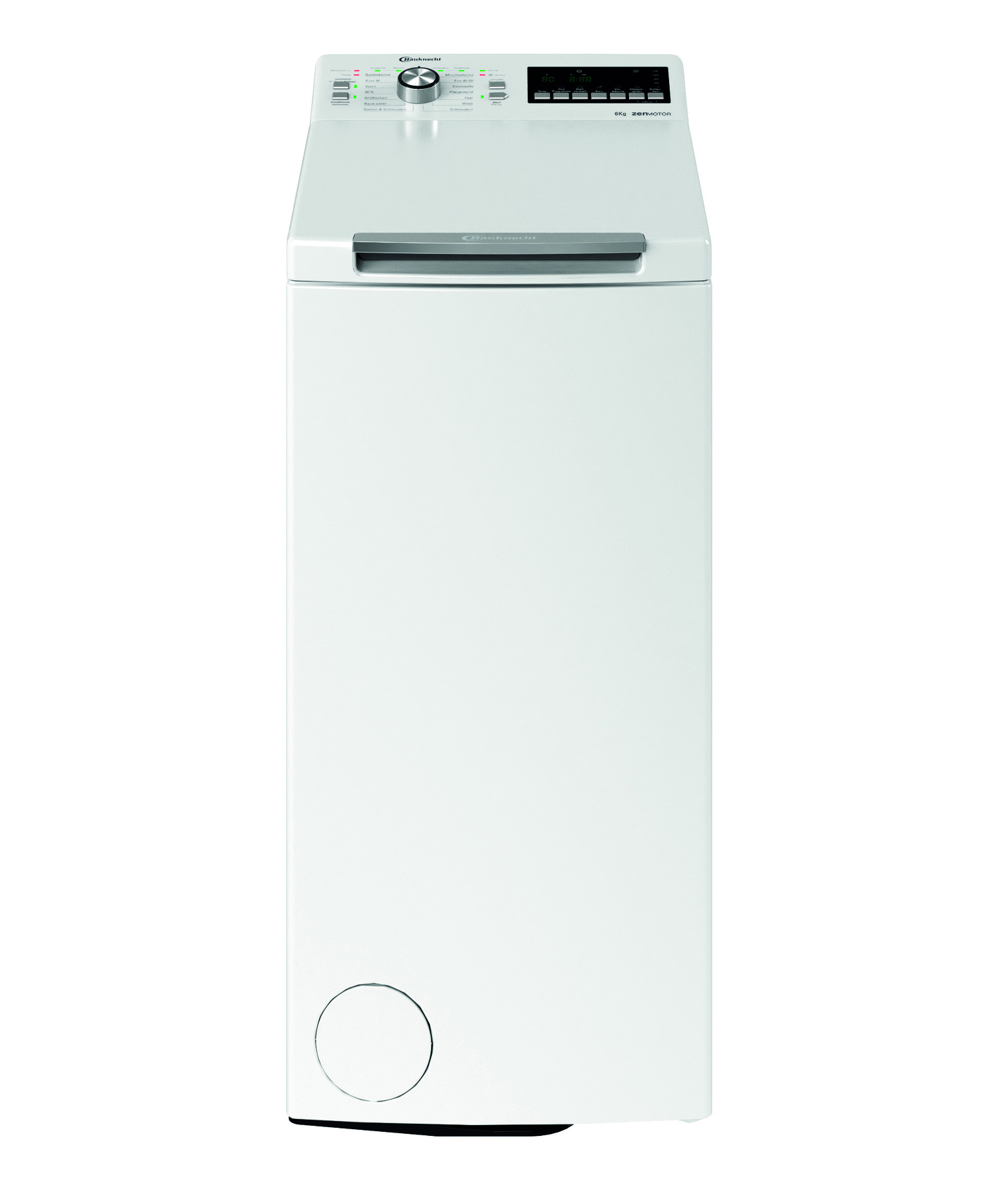 No image available
A top loader may work in a narrow space, provided there’s enough room above the appliance to open the lid.
This model is listed with a 6 kg capacity and dimensions of 40 × 60 × 90 cm. An anti-stain programme is included, but its cleaning performance hasn’t been independently tested.
Not necessarily. First check the care label, fabric and type of stain. A short cycle alone doesn’t tell you whether a programme is suitable for a particular stain. Manufacturers’ claims about stain programmes apply to the conditions they describe.
No, not as a rule. The German Environment Agency says that 30 °C with modern detergents is enough for many types of soiling. Always follow the care label and consider the specific circumstances.
Check the space, opening clearance, water and waste connections, and the model’s installation instructions. The Verbraucherzentrale also recommends discussing the installation with your landlord and considering the risk of water damage.
The label includes figures such as energy consumption in kWh per 100 cycles and water consumption per cycle for the Eco programme. The European Commission explains that these figures are based on specified programme and testing conditions; other programmes may differ.
No. According to guidance from the German Federal Ministry for the Environment, old electrical appliances must be taken separately to an authorised collection or take-back point. Before placing your order, check whether the retailer offers take-back when you buy a new appliance and what conditions apply.