Families who use tea towels frequently
If you change your tea towels regularly, match their care instructions to a suitable wash programme. infektionsschutz.de recommends washing tea towels regularly at a minimum of 60 °C.


Start by choosing a suitable wash programme and drum size for your family’s overall laundry needs – not just based on a programme name or energy rating. The Verbraucherzentrale and infektionsschutz.de recommend washing tea towels regularly at a minimum of 60 °C. Check the care label and the temperature setting for the relevant programme in the manual for the exact model. Eco label figures relate to the stated Eco programme and do not automatically show the consumption of a selected 60 °C cycle.
If you change your tea towels regularly, match their care instructions to a suitable wash programme. infektionsschutz.de recommends washing tea towels regularly at a minimum of 60 °C.
The drum size should suit the usual amount of suitable family laundry, not just the number of tea towels. The Verbraucherzentrale advises choosing an appliance size to suit your household.
When comparing electricity and water figures, consider the programme duration, appliance dimensions and installation requirements too. The EU energy label shows consumption figures for the Eco programme.
| Priority | What to check when buying | Who is this particularly important to? |
|---|---|---|
| Suitable 60 °C programme | Check the care label against the manual for the exact model: can a suitable programme be set to at least 60 °C? infektionsschutz.de recommends this wash temperature for tea towels. | If I want to wash tea towels regularly with hygiene in mind, I’ll check the temperature options and fabric care instructions first. Around 36% of consumers are likely to prioritise this need. |
| Drum size | Choose a rated capacity to suit your usual family loads and check the load limits for the programmes you use. | If I regularly have larger family loads as well as tea towels, the right capacity matters to me. Around 29% of consumers are likely to prioritise this. |
| Electricity, water and time | Compare kWh per 100 Eco cycles, litres per Eco cycle and programme duration on the same basis; the EU energy label shows these Eco figures. | If the machine runs frequently, I want to consider consumption and programme duration together rather than focus on just one figure. Around 21% of consumers are likely to give this ongoing need the greatest weight. |
| Installation and services | Check the appliance dimensions and connection requirements at the installation site. Confirm the water protection features and exactly which delivery or installation services are included. | If space, connections and help with installation are important for my household, I’ll check these details before ordering. Around 14% are likely to have this as their main priority. |
The label figures relate to the Eco test programme. They do not confirm that a particular wash cycle actually runs at a minimum of 60 °C.
Check the temperature options for the relevant programme in the manual for the exact model and compare them with the towels’ care labels.
The right capacity depends on the suitable laundry loads you wash together. The number of individual towels alone does not determine the drum size you need.
Consider your usual family laundry and how often you wash, and check the load limits for each programme.
These services may be offered separately. A product page listing optional services does not tell you which ones a particular provider includes.
Before ordering, check which services are offered and make sure they suit the requirements at your installation site.
The BM3WFU4841N front-loading washing machine combines a stated capacity of 8 kg with programmes for different family laundry loads.
With a rated capacity of 9 kg, the Serie 6 WGG244F40 is a model worth considering if you regularly wash larger family loads.
The W1 WWA120 WCS 8kg Active offers an 8 kg alternative with a cottons programme.
This selection includes washing machines for different family laundry loads. For tea towels, always check the care label and the temperature setting of a suitable programme.
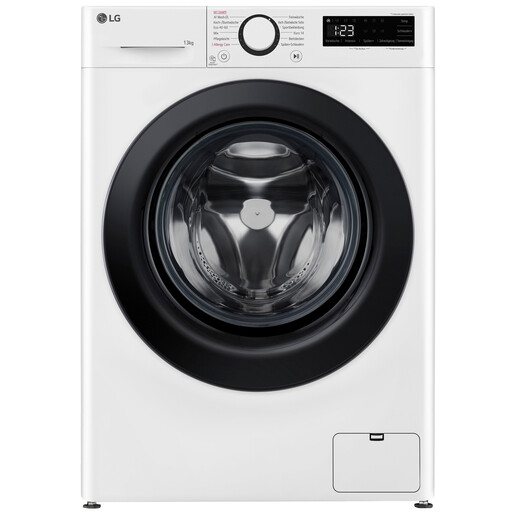 No image available
For larger family loads, if the care label allows washing at 60 °C, the combination of a 13 kg capacity and a cottons programme with a temperature setting of up to 60 °C is worth noting.
Figures listed include 44 kWh per 100 Eco cycles and 58 l per Eco cycle. AquaLock water protection is also included.
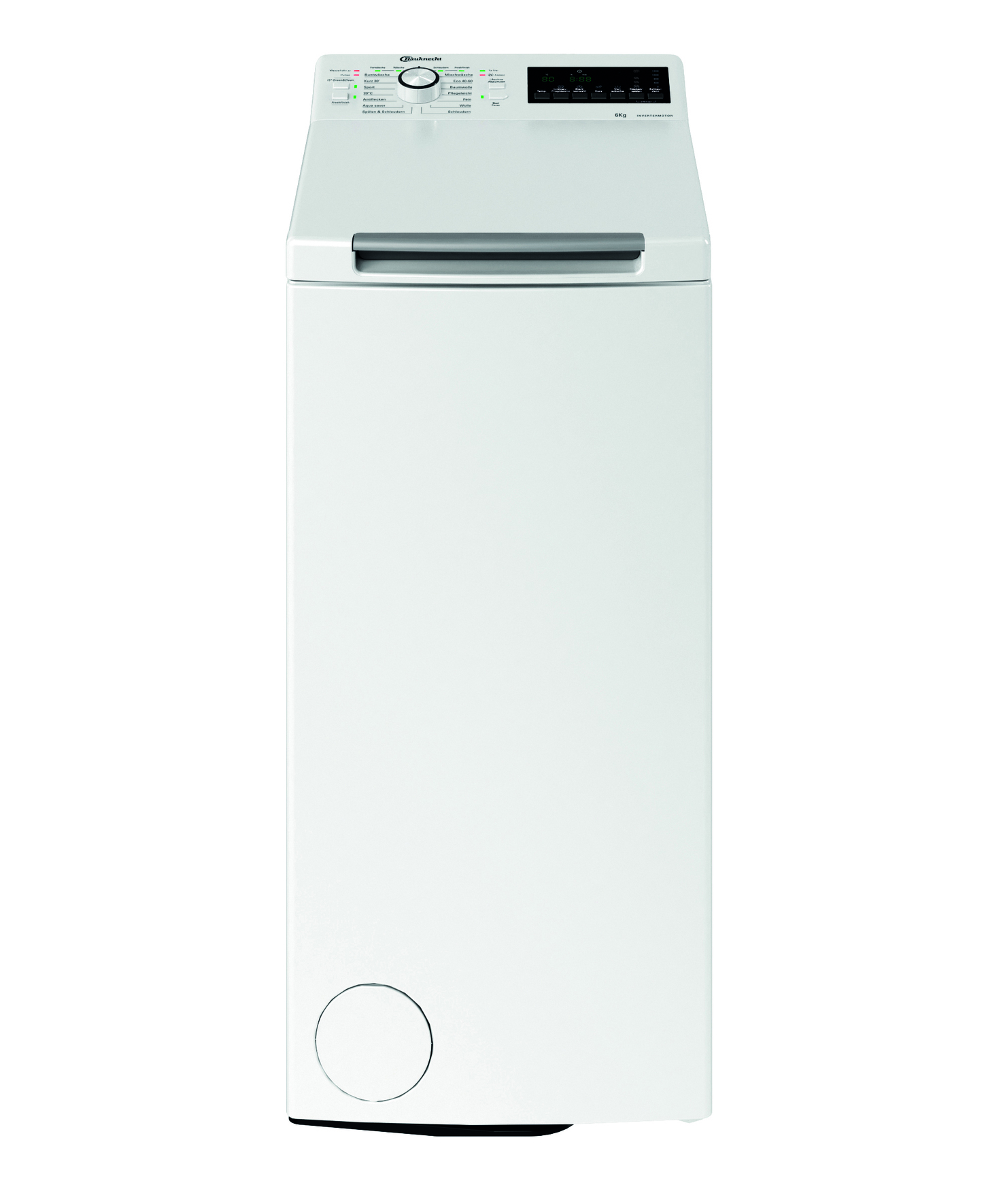 No image available
For smaller, suitably sized laundry loads, the stated 6 kg capacity is a useful point of comparison.
This model is described as a top-loader. It features an Anti-Stain programme at 20 °C, with figures of 42 kWh per 100 cycles and 43 l per Eco cycle.
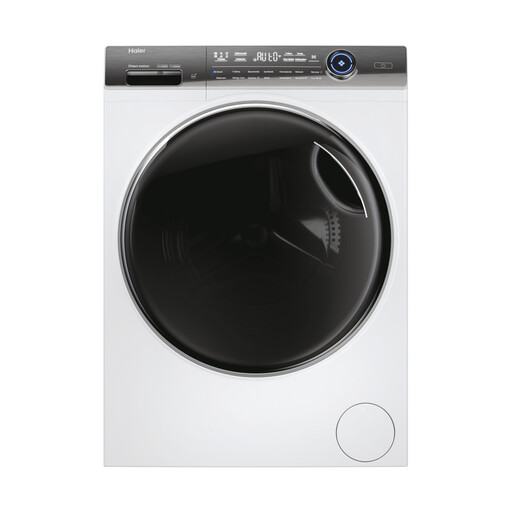 No image available
If an 8 kg capacity suits your usual laundry load, this model offers a useful comparison for family washing.
It has 14 listed programmes, with figures of around 38 kWh per 100 cycles and 44 l per Eco cycle.
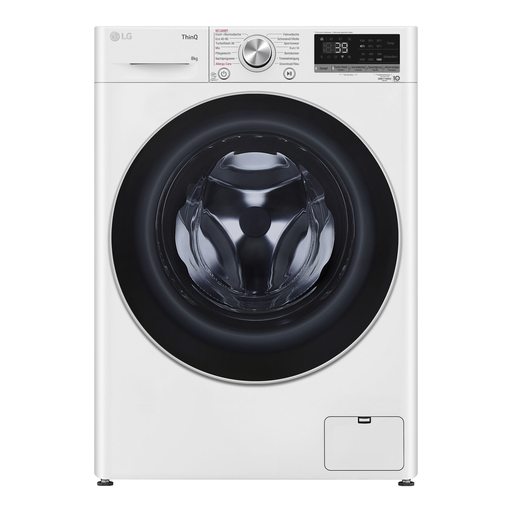 No image available
If you’re comparing an 8 kg drum with listed steam functions, these model features may help you make your choice.
Figures listed include 48 kWh per 100 cycles, along with AquaLock water protection.
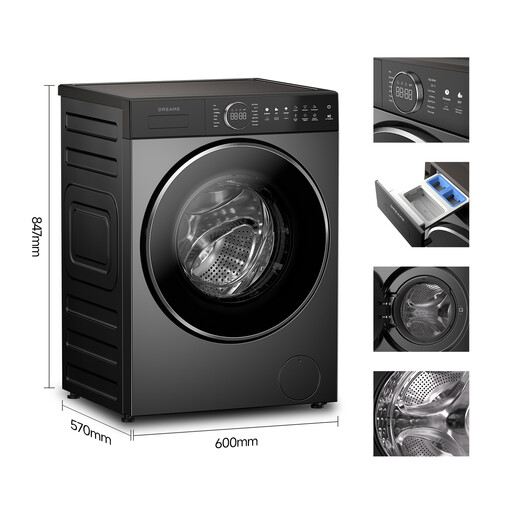 No image available
If you regularly wash larger loads, you can compare the stated rated capacity of 9 kg with your own laundry needs.
The quick wash is listed for 1 kg and takes 15 minutes. The Baby-Care programme is listed with temperatures of up to 85 °C; always check the garments’ care instructions before use.
The programme name and EU energy label alone do not confirm that your specific wash cycle reaches at least 60 °C. Check the towels’ care labels and the manual for the exact appliance to find a suitable programme that can be set to at least 60 °C.
infektionsschutz.de recommends leaving cloths, hand towels and tea towels spread out to dry, and washing them regularly at a minimum of 60 °C. The Verbraucherzentrale advises changing tea towels at least once a week. This is a hygiene recommendation, not an appliance feature.
The EU energy label shows, among other things, kWh per 100 cycles and water per cycle for Eco 40–60. These figures do not confirm consumption for other programmes, such as a selected 60 °C cycle. Individual costs also depend on usage and tariffs.
Your statutory rights against the seller and a voluntary guarantee are different things. In Germany, old electrical appliances must be handed over to an authorised collection organisation. Retailer take-back and possible collection are subject to the relevant terms and conditions. Check the arrangements for removing your old appliance when you place your order.