Who is this type of washing machine suitable for?

Households with kitchen and outdoor laundry

If you wash tea towels as well as dirty jackets or trousers, you need suitable settings for separate loads rather than relying on a supposed all-purpose programme. The German Environment Agency recommends 40 or 60 °C for textiles where hygiene matters, such as tea towels; GORE-TEX advises against washing technical outerwear with heavily soiled clothing.

Wearers of technical layers

If you care for garments with membranes or water-repellent outerwear, follow the care label for detergent, rinsing and spin settings. GORE-TEX provides care instructions for its outerwear, but the specific settings must be suitable for the garment.

Households short on space

If space is limited, check the appliance dimensions, room to open the door and the size of your usual separate loads before you buy. The consumer advice centre recommends choosing an appliance size that suits your household.

What should you look for when choosing one?

Buying consideration What to look for Who is it particularly important to?
Tea towels and temperature Check the care label and whether you can select a cotton programme. The German Environment Agency recommends 40 or 60 °C for textiles where hygiene matters, such as tea towels; the name Eco 40–60 alone does not mean that you have selected a freely adjustable 60 °C wash. If getting the right temperature for tea towels matters to me, I check the label and cotton programme first. Around 26% of consumers are likely to prioritise hygiene and care for their tea towels.
Gentle care for outdoor clothing Check the care label and model instructions for a suitable delicates cycle, an extra rinse and adjustable spin settings. GORE-TEX advises against washing its outerwear with heavily soiled clothing; for the outdoor care it describes, AEG recommends an extra rinse if there is no outdoor programme. If my technical layers require a particular wash and rinse programme, I want to check those settings carefully. Around 26% of consumers are likely to prioritise gentle care for their outdoor layers.
Mud and load size Compare your usual separate loads with the maximum load allowed for each programme, and remove heavy mud before washing. The German Environment Agency recommends smaller loads for easy-care and delicate laundry than the appliance’s maximum capacity. When washing muddy clothes and loads of different sizes, I want to be able to plan separate washes in line with the programme instructions. Around 21% of consumers are likely to prioritise this.
Consumption and overall costs Compare EU energy label figures on the same Eco 40–60 basis, taking your electricity tariff and usage into account. The label figures do not automatically show the consumption of every cotton or delicates programme. If I use the machine regularly for different types of laundry, I want to consider running costs as well as the purchase price. Around 16% of consumers are likely to prioritise purchase and running costs.
Space and water protection Check the appliance dimensions, door clearance and connections at the installation site, and compare the stated water protection system using the model specifications. The consumer advice centre lists a suitable appliance size and water protection as buying criteria. If space or connections limit the installation, I mainly want to be sure that the specific appliance will fit where I plan to put it. Around 11% of consumers are likely to prioritise space and connections.

Which assumptions should you avoid?

  • Assuming Eco 40–60 is the same as a freely selectable 60 °C wash

    The name of the Eco programme does not prove that it gives you a specific hygiene cycle for your tea towels.

    Check the care label and the programmes actually available in the model instructions.

  • Assuming an outdoor programme is suitable for any muddy technical jacket

    Material and garment manufacturers set restrictions on washing with heavily soiled items, as well as on detergent and maintaining water repellency.

    Remove heavy mud, read the care label and check the wash and rinse settings on the specific appliance. Reproof the garment only if the fabric and its care instructions call for it.

    If the care label calls for reproofing, this is an extra care step in addition to washing.

  • Assuming the maximum capacity applies to every delicates programme

    The appliance’s maximum capacity does not automatically tell you how much laundry you can wash on a delicate or specialist programme.

    Compare the programme load capacities listed in the instructions with your usual separate loads.

  • Confusing free take-back of an old appliance with free disconnection

    Taking back an old appliance is a different service from additional work such as disconnection, connection or dismantling. Under the conditions set out in Section 17 of the German Electrical and Electronic Equipment Act (ElektroG), an equivalent old appliance must be taken back free of charge; this does not mean that removal or connection is free.

    Before you buy, check separately which take-back and installation services are available and what conditions apply.

    Disconnection or dismantling may be charged as a separate service; check the specific offer.

Relevant brands at a glance

AEG

The German model pages mentioned here show front-loading washing machines with different capacities and dimensions. Which programmes are suitable depends on the specific model.

  • For the LR6F65489, AEG lists an 8 kg capacity, Extra Rinse and 47 kWh per 100 Eco cycles.
  • For the LSR6FA70269, AEG lists a 6 kg capacity and an appliance depth of 416 mm.
  • These model specifications do not mean that the whole brand range includes an outdoor programme. Outdoor care instructions depend on the model and garment.

Beko

The German model pages mentioned here offer 8 kg front-loading washing machines with different programmes for comparison with household laundry loads.

  • For the BM3WFU3841R, Beko lists an 8 kg capacity, energy class A and a stain programme.
  • A stain programme does not prove that it will remove every type of mud from outdoor clothing. A test rating cited by Beko for the B5WFT78410W is a manufacturer’s claim, not a test independently verified here.

Miele

The W1 model featured here is a point of comparison for households that need its specific programme selection.

  • For the WWA120 WCS 8kg Active, Miele lists an 8 kg capacity, 1,400 rpm, CapDosing and AddLoad.
  • These specifications do not confirm that this model has an outdoor programme or that it offers better care than other brands. Check the programme list and overall costs separately.

Washing machines on Joybuy

This selection includes a model with a specifically listed outdoor programme, as well as front-loading washing machines with different drum capacities. Check the programme list and permitted load for the specific appliance against the care labels on your laundry.
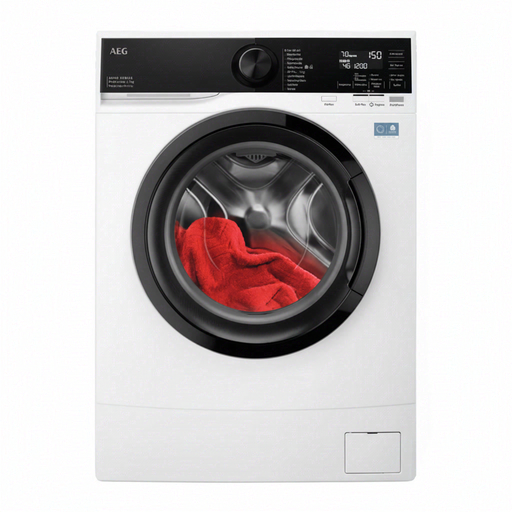
AEG LSR6FA75470 6000 Series ProSense Slim washing machine, 7 kg

AEG LSR6FA75470 6000 Series ProSense Slim, 7 kg

May be worth considering if you want to wash separate cotton and outdoor loads using specifically listed programmes; still check the care labels.

7 kg; 487 mm deep; adjustable temperature and spin speed.

The programme list includes Cotton, Outdoor, Delicates/Silk and Hygiene/Anti-Allergy. AquaStop function.

Joybuy
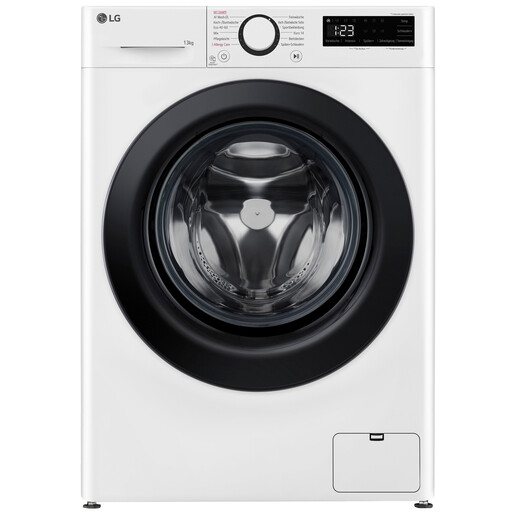
LG F4WR5035 front-loading washing machine, 13 kg

LG F4WR5035, 13 kg

The listed Cotton and Delicates programmes, along with the extra rinse option, are worth checking if you wash separate types of laundry using different settings.

13 kg; 1,360 rpm; energy class A-20%; 44 kWh per 100 Eco 40–60 cycles.

Cotton, Delicates and Sportswear programmes, an extra rinse option and selectable temperatures. LoadSense is listed for this model; compare the permitted load for each programme with your usual laundry loads.

AquaLock water protection.

Joybuy

LG F2X7SLIM9W washing machine, 9 kg, Slim Fit

LG F2X7SLIM9W, 9 kg, Slim Fit

The listed Cotton, Sportswear and Hand Wash/Wool programmes may be useful for separate loads; check them against the care labels.

9 kg; 1,200 rpm; 53.5 cm deep; energy class A; 34 kWh per 100 cycles.

Rinse+ is listed as a selectable function. Check that the dimensions and programme load capacities suit your installation space and laundry loads.

Joybuy
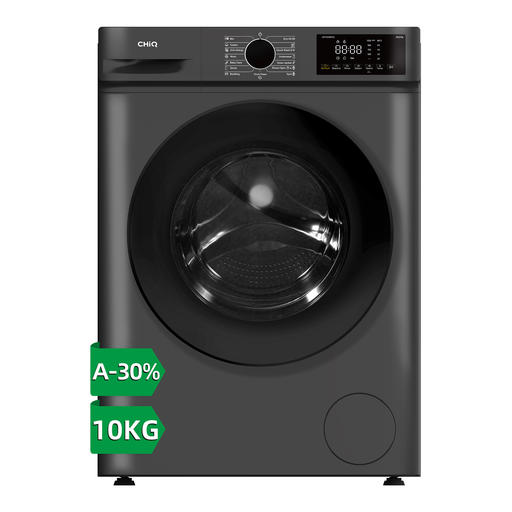
CHiQ JW105883G front-loading washing machine, 10 kg

CHiQ JW105883G, 10 kg

The rated capacity may be useful for larger separate loads; check the specific programmes for tea towels and outdoor layers before choosing.

10 kg; 1,400 rpm; energy class A-30%; cabinet depth 57.7 cm.

The description lists 16 programmes but does not name any individual fabric programmes. Compare the programme list and permitted load with your care labels.

Joybuy
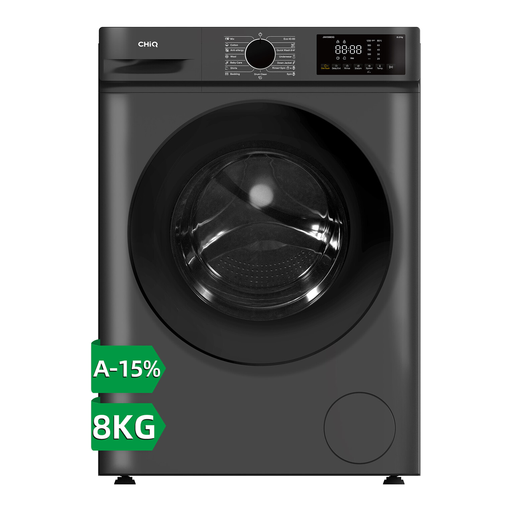
CHiQ JW85883G front-loading washing machine, 8 kg

CHiQ JW85883G, 8 kg

The capacity may be suitable for smaller separate loads; check the relevant programmes and their load limits against the care labels.

8 kg; 1,400 rpm; energy class A-15%; cabinet depth 52 cm.

The description lists 16 programmes, but does not name any individual fabric programmes. Check the specific programme list for your laundry.

Joybuy

Frequently asked questions

Can I wash tea towels and muddy outdoor jackets together?

If the temperature, detergent or gentle-care requirements differ, wash the items separately. GORE-TEX explicitly advises against washing the relevant outerwear with heavily soiled clothing; always follow the care labels on the specific garments when choosing settings.

Do I definitely need an outdoor programme?

Not necessarily: a delicates cycle that suits the care label may be enough. For the outdoor care described by the brand, AEG recommends an extra rinse if the machine does not have an outdoor programme. Check whether the specific model offers this option and has a suitable programme load capacity.

How should I care for the machine when washing loads with different levels of dirt?

Remove heavy dirt beforehand, use the right amount of detergent for your water hardness and how soiled the laundry is, and follow the care instructions. The German Environment Agency also recommends running a 60 °C wash occasionally to prevent germs building up in the machine; this does not mean that delicate outdoor layers should be washed at a high temperature.

What should I include in my cost comparison apart from the appliance price?

Compare EU energy label figures on the same Eco 40–60 basis, and take your electricity tariff and usage into account. Check delivery, connection and any dismantling as separate services; statutory take-back of an old appliance is not the same as paid dismantling.

Does a retailer in Germany have to take back my old washing machine?

Under the conditions set out in Section 17 of the German Electrical and Electronic Equipment Act (ElektroG), when you buy a new appliance, an equivalent old appliance must be taken back free of charge. If the new appliance is delivered to a private household, the rules also provide for free collection under certain conditions; arrange the return when you place your order. This does not generally mean that disconnection or removal is free.