What to look for when buying
First, measure the available space, including connections and room to open the door or lid. Then check which wash programme suits your tea towels and weigh up the drum size, noise and consumption for the rest of your household.
| Priority |
What to check when buying |
Who it matters most to |
| Fit and opening space |
Measure the width, depth and height, connections, and the space needed when the door or lid is fully open. |
If the recess is tight, I also need to allow for hoses and opening space; around 31% of consumers say getting the right fit is their main priority. |
| Programme for tea towels |
Check the care label and the programme table for the specific model; don’t assume ‘Eco 40–60’ is the same as a wash that actually runs at 60 °C. |
If washing kitchen towels matters to me, I want to be able to identify the right programme on the machine; around 25% of consumers name this as their main priority. |
| Capacity |
Choose the rated capacity based on your household’s usual washing overall, not just a few individual towels. |
For frequent, smaller loads, I’m looking for a drum that also suits my other washing; around 19% of consumers put the right capacity first. |
| Spin noise |
Compare the noise rating for the specific model and consider where you’ll place it. |
If the machine is near the living area, I want to take the spin noise into account; around 13% of consumers prioritise quiet operation. |
| Consumption |
Compare kWh per 100 Eco cycles and water consumption per Eco cycle only on the same programme basis. |
If running costs matter most to me, I compare the stated consumption figures and take my usual programme into account; around 12% of consumers put this first. |
Joybuy products for small flats
These product examples include slimline front-loaders and top-loaders for different spaces. For each model, check that its dimensions and programmes suit your space and the care labels on your tea towels.
 No image available
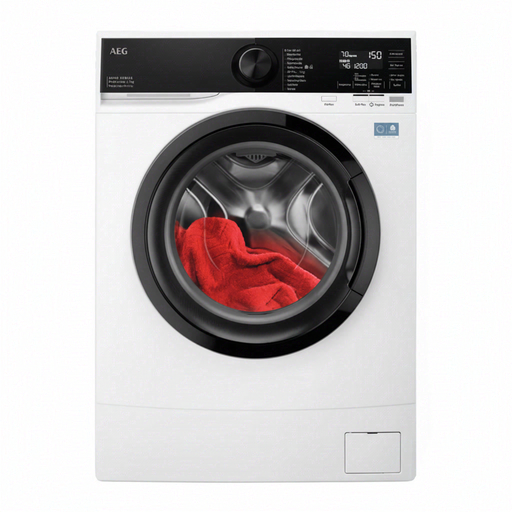
AEG LSR6FA75470 Series 6000 Slim front-loader, 7 kg
The stated 7 kg capacity may suit a space with limited depth and a household with extra washing to do.
Stated depth: 487 mm. Energy rating A; 45 kWh per 100 cycles; 75 dB during the spin cycle; 1400 rpm. A specific 60 °C wash is not listed as a product feature.
Joybuy
 No image available
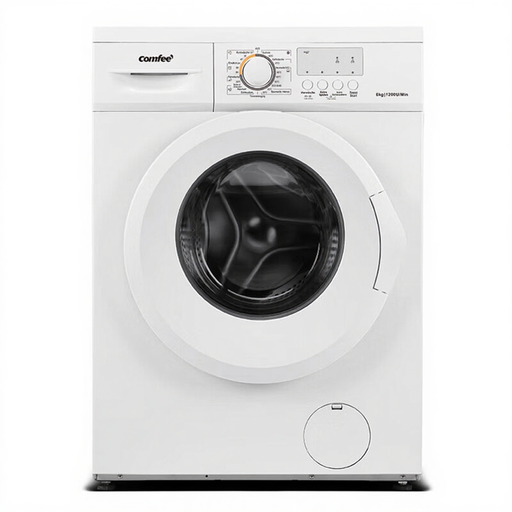
Comfee slimline washing machine, 6 kg
If your space is particularly shallow, check the stated machine depth and which programmes are suitable for tea towels.
Stated depth: 400 mm; capacity: 6 kg; energy rating D; 1200 rpm. The programme description lists cotton programmes up to 90 °C and a selectable 60 °C setting. Check the care label and any restrictions on the specific programmes.
Joybuy
 No image available
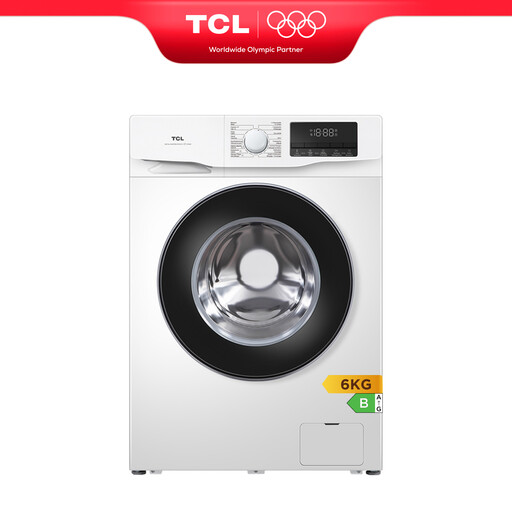
TCL FF1006WB0 Slim washing machine, 6 kg
The stated machine depth matters if you have a shallow recess; also check that there’s enough space in front of the porthole.
Capacity: 6 kg; stated depth: 45 cm; energy rating B; BLDC motor. Steam Wash and a 15-minute quick programme are also listed; a specific 60 °C wash is not stated.
Joybuy
 No image available
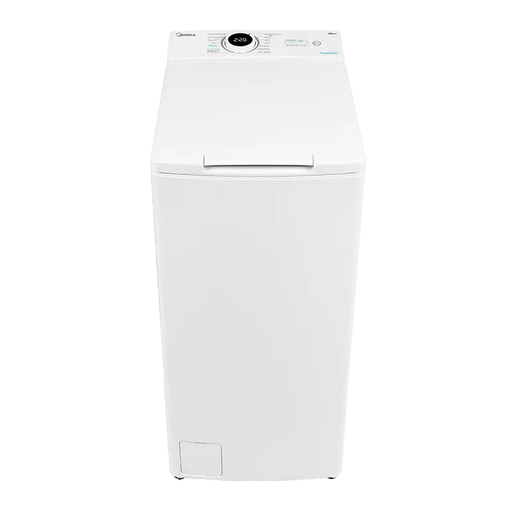
Midea MF10ET70BA10 top-loader, 7 kg
If width is your main constraint, the stated width of 40 cm may be useful; the lid needs room to open upwards.
Capacity: 7 kg; energy rating A; 40 kWh per 100 cycles; 45 l per cycle; 78 dB(A). Cotton temperature settings include 60 °C. Check the care label and programme table.
Joybuy
 No image available
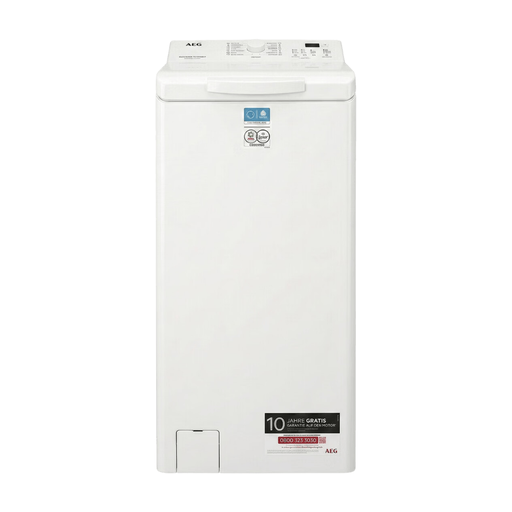
AEG LTR6A41460 top-loader, 6 kg
The stated width of 397 mm may suit a narrow space; remember to allow room for the lid to open upwards.
Capacity: 6 kg; energy rating A; 42 kWh per 100 cycles; 43 l per cycle; 79 dB spin noise. The programme list includes Cotton and Anti-Allergy, but doesn’t specify a particular 60 °C wash.
Joybuy
Frequently asked questions about washing machines for tea towels
Can I simply wash tea towels at 60 °C using ‘Eco 40–60’?
No, not based on the programme name alone. The European Commission describes Eco 40–60 as a cycle for normally soiled cotton laundry labelled as suitable for it. If you specifically want a 60 °C wash, check the care label and the machine’s programme table. For kitchen towels, the Consumer Advice Centre recommends regular washing at a minimum of 60 °C.
What should I consider when installing a washing machine in a rented flat?
Check the location, water supply and drainage, and protection against water damage. Resolve any questions about the specific location too. The Consumer Advice Centre explains that tenants generally cannot be prevented from having a washing machine in their flat, although the circumstances of each tenancy still matter.
How can I prevent my washing machine from smelling?
Don’t leave wet washing in the machine for too long. The Consumer Advice Centre recommends this too, to help prevent unpleasant smells.
Which consumption figures should I compare before buying?
Compare the EU energy label figures on the same programme basis. These include kWh per 100 Eco wash cycles, water per Eco cycle, rated capacity and spin noise. These figures don’t automatically tell you how much a different programme will use, such as a specific 60 °C wash.
What are my rights in Germany if the machine develops a fault after purchase?
For a consumer purchase, you have a statutory two-year warranty against the seller from the date you receive the goods. A voluntary manufacturer’s guarantee is separate and does not replace these rights.


