What to look for when buying
First, work out whether width, depth or height is the limiting factor. Then check the drum capacity, suitable wash programmes and comparable consumption figures. A washer-dryer is another option only if you also need a drying function: compared with separate appliances, the Consumer Advice Centre notes that washer-dryers use more electricity and water.
| What matters |
What to check before buying |
Who it matters most to |
| Fit in the available space |
Check the width, depth and height, including connections, and allow for the door or lid to open. |
If my space is narrow or limited in depth, I need an appliance whose dimensions and opening clearance will actually fit. Around 36% of consumers put fit first. |
| Wash programme for tea towels |
Check the care label and the specific programme details for temperature and wash cycle. |
If I wash tea towels and dishcloths with other kitchen laundry, I want to choose a cycle that suits the fabric and how soiled it is. Around 29% of consumers pay particular attention to finding a suitable wash cycle. |
| Drum capacity |
Consider the amount of washing you usually do together and the rated capacity. |
If I often do small loads, I don’t want an unnecessarily large drum, but it still needs to hold the rest of my household laundry. Around 21% of consumers prioritise a suitable drum capacity. |
| Running and total costs |
Compare the label figures for Eco cycles on a like-for-like basis and consider the programmes you expect to use. |
If I wash regularly, I want to weigh up consumption and any installation costs in advance. Around 14% of consumers focus on running and total costs. |
The Consumer Advice Centre notes that the EU energy label includes figures such as electricity consumption in kWh per 100 Eco cycles. These figures can’t be directly applied to other programmes. The Eco 40–60 label also doesn’t mean the wash takes place at a fixed temperature of 60 °C.
Washing machines at Joybuy
The Joybuy models listed include top-loaders and front-loaders described as narrow or Slim Fit. Before choosing, check the full external dimensions and allow room for the door or lid to open.
 No image available
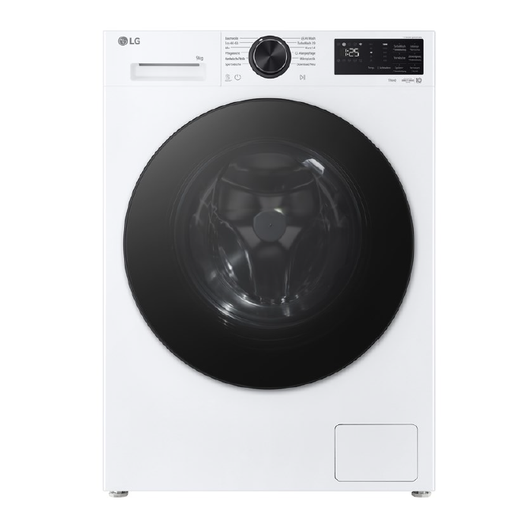
LG F2X7SLIM9W, 9 kg, Slim Fit
The stated 9 kg capacity may be more suitable if you also do larger household loads alongside your tea towels. If you mainly do small loads, compare the figures for the programmes you’ll actually use.
The product name specifies 1,200 rpm and the Slim Fit designation. This doesn’t replace checking the full external dimensions.
View at Joybuy
 No image available
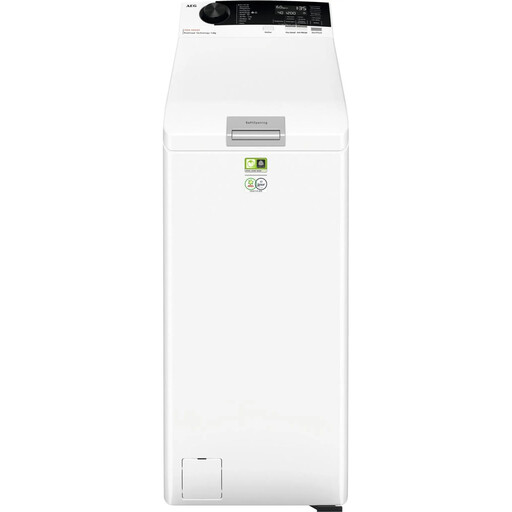
AEG LTR7A70260, 6 kg
This top-loader may suit you if width is limited and there’s room above the machine to open the lid.
The stated rated capacity is 6 kg. Check the exact external dimensions before deciding whether it will fit your space.
View at Joybuy
 No image available
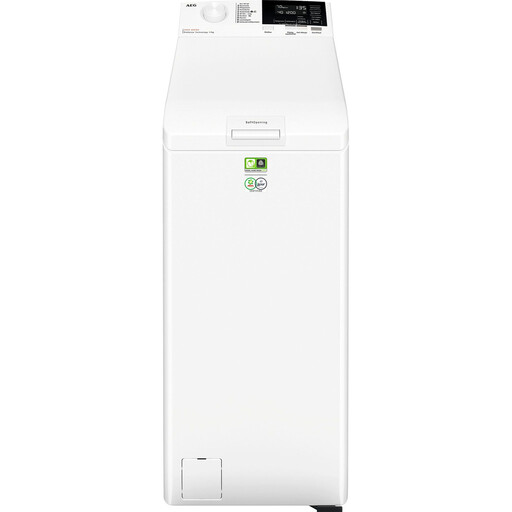
AEG LTR6A60370, 7 kg
A top-loader may be a good option if width is limited, but the lid needs room to open upwards.
The product name specifies a 7 kg capacity. Check the actual appliance dimensions against the available space and connections.
View at Joybuy
 No image available
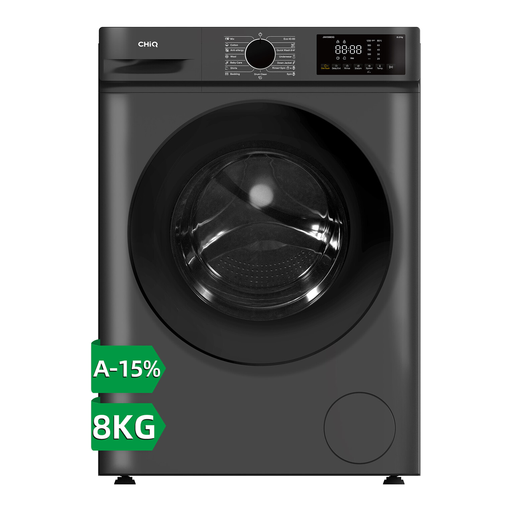
CHiQ JW85883G, 8 kg
The stated width of 465 mm may be useful if width is your main constraint. As a front-loader, it needs room in front for the porthole to open.
The product name specifies an 8 kg capacity and a width of 465 mm. Check the depth, height and space needed for connections too.
View at Joybuy
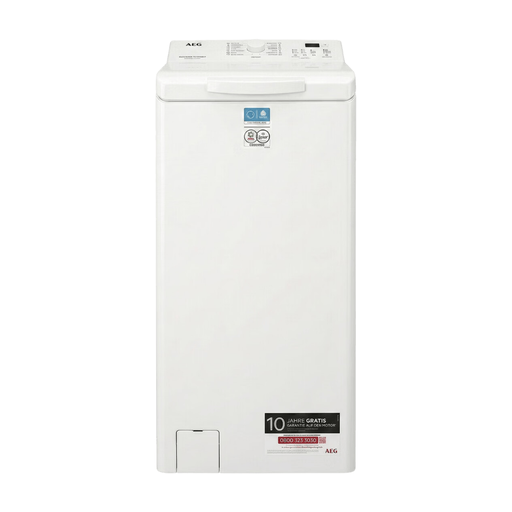 No image available
AEG LTR6A41460, 6 kg
This 6 kg top-loader may suit you if width is limited and there’s enough room above the machine to open the lid.
AEG describes ProSense on this model as adjusting the time, water and energy consumption to the load. This doesn’t prove that you’ll make a particular saving in your own household.
View at Joybuy
Frequently asked questions
Do I need a special hygiene programme for tea towels?
A special hygiene extra isn’t essential for every tea towel. Choose a wash cycle according to the care label and how soiled the item is. For cleaning cloths, the Federal Environment Agency recommends regular washing at 60 °C with washing powder.
Does Eco 40–60 mean the washing is done at exactly 60 °C?
No. The European Commission describes Eco 40–60 as a programme for normally soiled cotton items labelled as washable at 40 °C or 60 °C. The programme name doesn’t promise a constant wash temperature of 60 °C. Check the manual for your specific appliance if you’re looking for a wash cycle at a particular temperature.
What should I check before delivery and installation?
Measure the space and opening clearance, and check that the connections, access route and delivery or installation services on offer are suitable. The Consumer Advice Centre also recommends an integrated water protection system as a selection criterion; this doesn’t mean there’s a general legal requirement to have one.
How can I keep my washing machine and kitchen cloths clean day to day?
Change and dry used kitchen textiles appropriately. For cleaning cloths, the Federal Environment Agency recommends regular washing at 60 °C with washing powder. It generally considers additional disinfectants unnecessary for normally soiled laundry in a healthy private household.
What happens when an old washing machine is taken away?
In Germany, retailers covered by the statutory take-back rules must take back an old appliance of the same type, with essentially the same functions, free of charge on a one-for-one basis when you buy a new one. The German Foundation for the Register of Waste Electrical Equipment describes this obligation. Check when ordering how collection and take-back will be arranged.


