If width is your main constraint, a top-loader is likely to be the better fit. If depth is limited but you have enough width, a shallower front-loader could be an option. Measure the space needed to open the lid or door, and choose the drum capacity based on your overall laundry needs, not just your socks. Always follow the care label on your cotton socks. The European Commission says Eco 40–60 is intended for normally soiled cotton that can be washed at 40 °C or 60 °C, according to its care label.
Which type is right for you?
For homes with a narrow alcove
If width is limited and you can use the space above the machine, a narrow top-loader may fit the bill. Check the full dimensions of the specific model and allow room to open the lid. The Verbraucherzentrale describes top-loaders as machines that are loaded from above.
For homes with limited depth
If you have enough width but your space is shallow, a slimline front-loader could be an option. As well as the machine’s depth, check there’s room in front for the door to open and space for the connections.
For homes with smaller loads
If you often wash socks and other small loads, consider your typical laundry load overall, the programmes available and the drum capacity. The Verbraucherzentrale recommends comparing energy use on the same Eco programme basis.
What should you look for when buying?
Choose the machine type according to whether width or depth is limited where you plan to put it. A top-loader makes use of the space above the machine, while a shallower front-loader can be an alternative when depth is restricted.
Narrow top-loader
A good fit if: width is tight and there’s enough room above the machine to open the lid.
Bear in mind: A narrow design won’t necessarily solve a lack-of-depth problem. You’ll also need room to open the lid and accommodate the connections.
Shallower front-loader
A good fit if: you have enough width but limited depth is restricting your options.
Bear in mind: You’ll need to leave space in front of the machine for the door to open.
| Criteria |
What to check before buying |
Who should pay particular attention? |
| Available width |
Measure the width and depth of the space where the machine will go. For a top-loader, also allow enough clearance above the lid. |
If my alcove is narrow and the lid can open upwards, the machine’s width is my main consideration. Around 36% of consumers prioritise width. |
| Available depth |
Check the dimensions of the specific machine, as well as the space in front of the door and for the connections. |
If depth is limited but there’s enough width, I’ll look specifically for a shallower machine. Around 29% of consumers prioritise available depth. |
| Load size and programmes |
Check care labels, suitable cotton programmes, rated capacity and your usual full laundry loads. |
If I often wash small loads of socks, I’ll still choose a drum size that suits all the laundry in my household. Around 21% of consumers prioritise suitable programmes and load sizes. |
| Energy use and water protection |
Compare kWh per 100 Eco cycles, litres per Eco cycle, spin noise and water protection separately. |
If running costs and the risk of water damage are especially important to me, I’ll check the label figures and the connection. Around 14% of consumers prioritise these cost and protection factors. |
The Verbraucherzentrale gives energy use in kWh per 100 washing cycles on the Eco programme as a basis for comparison. The European Commission says Eco 40–60 is intended for normally soiled cotton with a care label that allows washing at 40 °C or 60 °C. Compare figures on the same basis, and always check the care label on individual items.
Avoiding buying pitfalls
-
Choosing a ‘narrow’ machine without checking which dimension is tight
A narrow top-loader saves space mainly in width, while a shallower front-loader may be worth considering if depth is the issue. The two types also need different amounts of room to open.
Measure width and depth separately, and check the opening space at the exact spot where you plan to install the machine.
A measurement mistake could mean having to arrange delivery or installation again.
-
Choosing a machine based only on the number of socks you wash
The capacity should also suit the rest of your regular laundry.
Think about your usual full loads and check the care labels on your socks before choosing a model.
-
Taking conflicting efficiency claims at face value
The product page for the Hoover HWQ4 47AMC/1-84 gives both efficiency class A and B, so the class is unclear.
Check the rating for this exact model against its product fiche or EPREL entry, and compare Eco energy-use figures only on the same basis.
Key brands to consider
AEG
The AEG LTR6T4EP3 is a useful comparison model for the top-loader option when width is tight.
- AEG lists load adjustment, cotton programmes and an Aqua-Control hose for this model.
- The stated dimensions are 397 mm wide, 599 mm deep and 903 mm high. The machine’s height doesn’t tell you how much clearance you’ll need with the lid open. Manufacturer claims are not an independent wash test.
Bauknecht
The WMT Pro Eco 62V A is another top-loader to consider for a narrow alcove.
- Bauknecht lists dimensions of 40 × 60 × 90 cm (W × D × H), a 6 kg capacity, energy efficiency class A, automatic drum positioning and SoftOpening for this model.
- According to the manufacturer, the stain-removal claim is based on tests using cotton on its own anti-stain programme. It doesn’t demonstrate a general result for all socks or programmes.
Hoover
The Hoover HWQ4 47AMC/1-84 is a useful comparison model for the shallower front-loader option.
- Hoover gives dimensions of 600 × 454 × 850 mm (W × D × H) and a capacity of 7 kg for this model. Its shallower depth could help where depth is limited, but not in a narrow alcove.
- The product page gives conflicting information about the energy efficiency class. Check the rating against the product fiche or EPREL entry before buying.
Joybuy product selection
These models include top-loaders for tight spaces where width is limited, plus a front-loader to consider when depth is restricted. Before choosing, measure the space and check the clearance needed to open the machine at the exact installation spot.
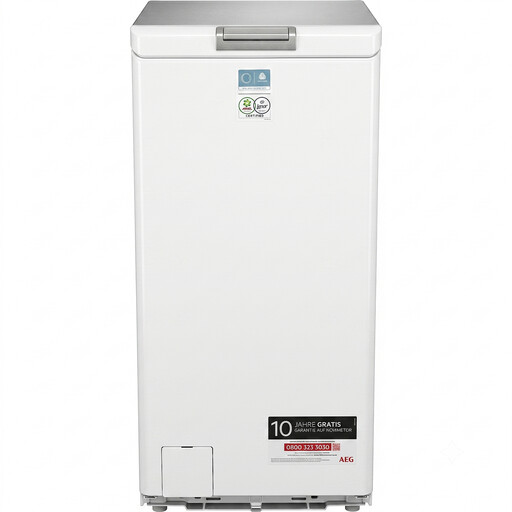 No image available
AEG LTR7A71370 7000 Series, 7 kg
A top-loader for a narrow alcove, provided there’s enough clearance to open the lid upwards.
Specifications in the product name: 7 kg, 1,300 rpm and energy efficiency class A. According to the product description, installation should be carried out by a qualified professional.
View at Joybuy
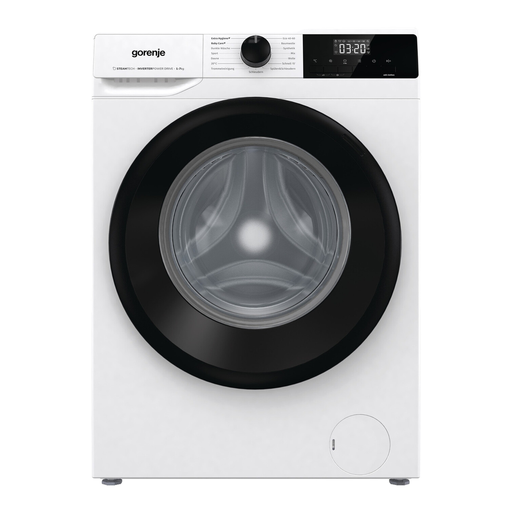 No image available
Gorenje WNHEI74SAPS/DE, 7 kg
A front-loader option for spaces with limited depth. Check the full installation dimensions and allow room in front of the door.
Specifications in the product name: 7 kg, 1,400 rpm, steam function, inverter motor and AquaStop. According to the product description, installation and connection must be carried out by a qualified professional, in line with the installation instructions and local regulations.
View at Joybuy
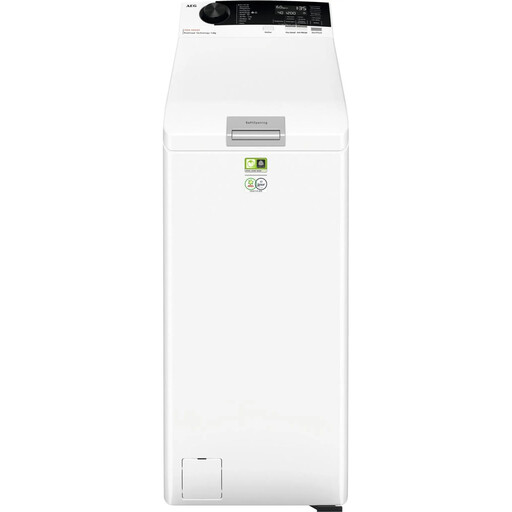 No image available
AEG LTR7A70260 7000 Series ProSteam, 6 kg
A top-loader for a narrow space, as long as the area above the machine is clear so the lid can open.
Capacity in the product name: 6 kg. According to the product description, installation should be carried out by a qualified professional.
View at Joybuy
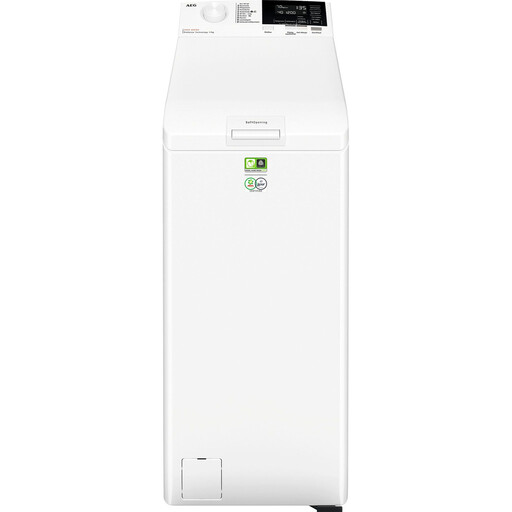 No image available
AEG LTR6A60370 6000 ProSense, 7 kg
A top-loader for a narrow space, provided the lid remains accessible where the machine is installed.
Capacity in the product name: 7 kg. According to the product description, installation should be carried out by a qualified professional.
View at Joybuy
 No image available
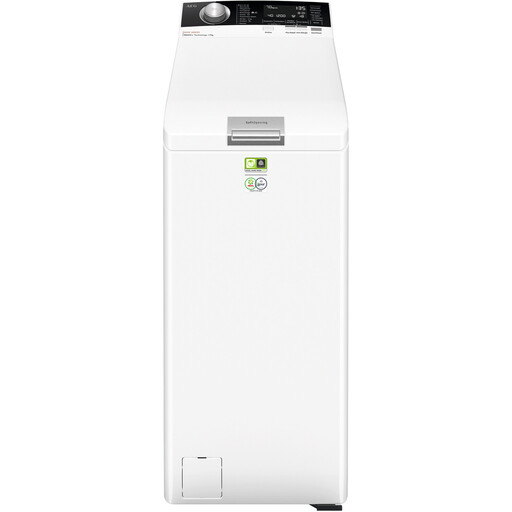
AEG LTR8A80370 8000 Series PowerCare, 7 kg
A top-loader for a tight space, provided there’s enough clearance above the machine to open the lid.
Capacity in the product name: 7 kg. According to the product description, installation should be carried out by a qualified professional.
View at Joybuy
Frequently asked questions
Can I wash cotton socks on the Eco 40–60 programme?
Only if the care label allows washing at 40 °C or 60 °C and the socks are suitable for the programme. The European Commission says Eco 40–60 is intended for normally soiled cotton with the appropriate care label. Always follow the label on the item.
How should I compare energy and water use?
Compare the stated kWh per 100 washing cycles and litres per Eco cycle on the same basis. These figures provide a point of comparison; they don’t guarantee the amount used on every programme or with every load.
What should I check before installing a washing machine in a rented home?
Check the proposed location and connection, and ask your landlord about anything you’re unsure of. The Verbraucherzentrale warns about the risk of water damage; this doesn’t mean washing machines are banned in every rented home.
What happens if the machine is faulty, and what should I do with my old one?
When you buy from a trader in the EU, you’re entitled to a minimum two-year legal guarantee from the seller for faulty goods. An additional manufacturer’s warranty doesn’t replace this. According to Germany’s Federal Ministry for the Environment, online retailers have obligations to take back old electrical appliances. When you buy, check how the return of your old machine will be arranged.


