Frequent small loads
You regularly wash a few bath towels or other cotton items and want to choose a drum size, load adjustment and energy use that suit your routine.


Choose the drum capacity based on the amount of dry laundry you usually wash, and check whether the specific model adjusts its settings to the load. The largest possible capacity isn’t automatically an advantage if you often wash small loads. For bath towels, you’ll also need to check the care label and choose a suitable programme. Energy label figures and quick programmes don’t tell you how much each individual wash will use.
You regularly wash a few bath towels or other cotton items and want to choose a drum size, load adjustment and energy use that suit your routine.
You want to match the care label to the right programme, rather than assuming that a quick or steam programme automatically ensures hygienic results.
You need to consider the space available when choosing between a standard front-loading machine, a shallower model and a top-loader.
| What to consider | What to look for | Who it matters most to |
|---|---|---|
| Small loads | Compare your usual dry laundry load with the rated capacity and load adjustment features of the specific model. | If I often wash just a few items, I want a machine that suits this, rather than choosing one solely because it has a larger drum. Around 31% of consumers put suitability for small loads first. |
| Towel care | Check the care label, cotton programme, temperature options and maximum load for the programme. For hygiene reasons, the German Environment Agency recommends washing towels at 40 or 60 °C. | When washing bath towels, I want to choose a programme that takes both the care label and hygiene requirements into account. Around 25% of consumers prioritise suitable towel care. |
| Available space | Check the appliance dimensions, including connections, hose routing and the space needed to open the door, against the instructions. | If space is limited, the machine needs to fit and be usable in its intended location. Around 19% of consumers first consider whether the machine will fit where they plan to put it. |
| Running costs | Compare kWh per 100 Eco cycles and litres per Eco cycle on the same label basis, and consider the programmes you actually use. The German Environment Agency notes that quick programmes don’t automatically save energy. | If everyday energy use matters to me, I want to compare the label figures with the programmes I usually run. Around 13% of consumers prioritise running costs. |
| Spin performance and noise | Compare the spin-drying efficiency class and noise emissions in dB(A). The stated spin speed isn’t guaranteed for every load. | If the machine is near living areas or I’ll be drying the laundry afterwards, I want to weigh up spin performance and noise together. Around 12% of consumers prioritise this combination. |
The energy and water figures shown are based on the specified Eco programme, not every wash cycle.
Compare label figures on the same basis, and also check the programmes you’re likely to use.
The German Environment Agency notes that quick programmes save time, but don’t automatically save energy. A particular quick programme may also have a limited load capacity.
Check the programme instructions, maximum load and care label before choosing a programme for your towels.
Connections, hoses and space for the door to open also need to be taken into account. A top-loader needs enough clearance for its lid to open upwards.
Check the full space needed for installation and use against the dimensions and installation instructions for the specific model.
Under § 17 ElektroG, retailers covered by the law must take back a similar old appliance when supplying a new one. If the new appliance is delivered to a private household, collection of the old appliance must be free of charge. This doesn’t automatically include disconnection or installation.
Before ordering, check separately whether take-back, disconnection, transport to the installation location and connection are included.
The Bosch WGE0242H is a documented 7 kg front-loader with load adjustment, AquaStop and a spin speed of 1,400 rpm.
The LTR6A41460 is a 6 kg top-loader, while the LSR6FA70269 is a 6 kg slim front-loader, offering options for different spaces.
The LG F4WV708P1E is a documented 8 kg front-loader for households that want extra capacity as well as the option to wash small loads.
The WML71434NGR1 is a documented 7 kg front-loader with a stated appliance depth of 49 cm.
The WWA120 WCS 8kg Active is a documented 8 kg front-loader with a spin speed of 1,400 rpm and AddLoad.
These Joybuy front-loaders come in a range of drum sizes and designs. Compare the rated capacity and appliance dimensions with your usual towel load and the space available.
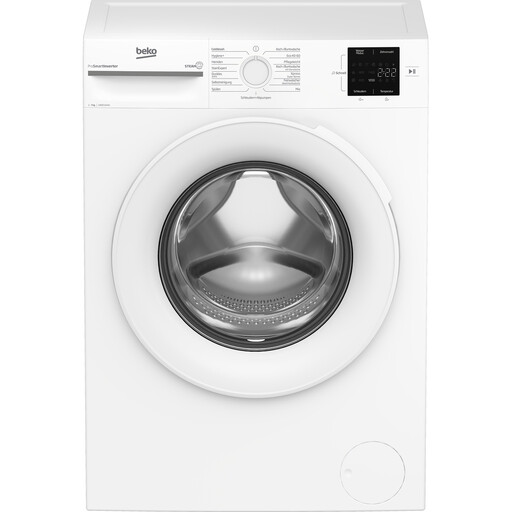 No image available
This model may suit frequent small loads if its rated capacity and available programmes match the amount of laundry you usually wash.
Specifications include a 7 kg capacity, 1400 rpm, SteamCure and energy efficiency class A.
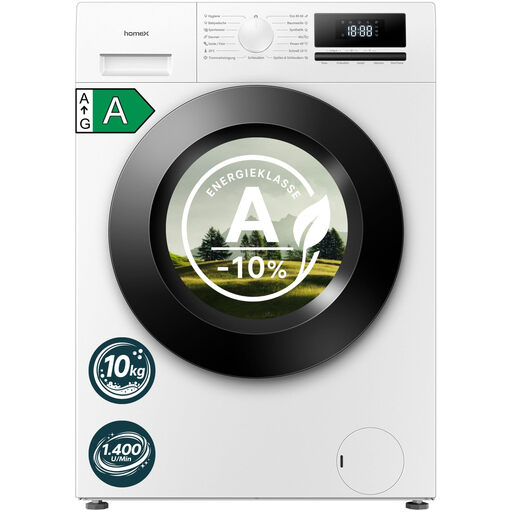 No image available
If you often wash just a few bath towels, compare the 10 kg capacity with the amount of laundry you regularly wash.
Specifications include a 10 kg capacity, 1400 rpm, a steam function and an inverter motor.
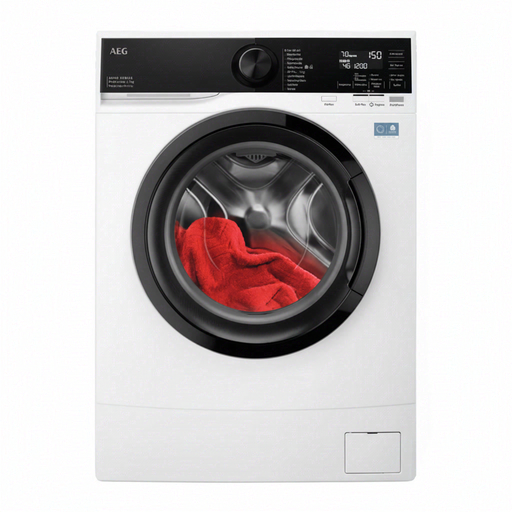 No image available
The Slim label may be useful if space is limited. Check the full appliance dimensions, including the room needed for connections and the door to open.
Specifications include a 7 kg capacity, ProSense, a steam programme and 1400 rpm.
 No image available
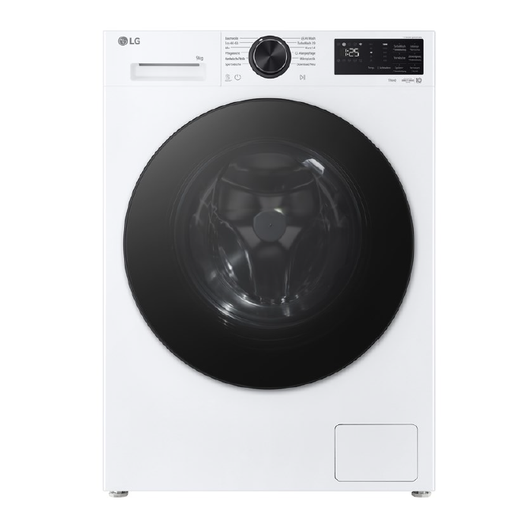
If you often wash small loads, check carefully whether the 13 kg capacity suits the amount of laundry you usually wash.
Specifications include a 13 kg capacity, 1,360 rpm, AI DD, Allergy Care Steam and AquaLock.
 No image available
The Slim Fit label is a good reason to check the actual dimensions against your available space. Also compare the 9 kg rated capacity with your usual load.
Specifications include a 9 kg capacity, 1200 rpm, AI DD, steam and TurboWash 360°.
No, not necessarily. For hygiene reasons, the German Environment Agency recommends washing towels at 40 or 60 °C. The right choice depends on the care label, how soiled they are and your household’s circumstances. According to the German Environment Agency, normally soiled laundry in a healthy private household doesn’t need an additional hygiene rinse.
No. The German Environment Agency describes quick programmes as time-saving, not automatically energy-saving. Check the maximum load for the specific programme too: for its 14-minute programme, the manufacturer gives a maximum of 2 kg for the Beko WML71434NGR1.
Compare the full appliance dimensions with the available space, connections, hose routing and clearance for opening the door. Also check the installation instructions for the specific model, and dose detergent according to the water hardness and how soiled the laundry is, following the dosage guidance on the packaging.
Compare kWh per 100 Eco cycles and litres per Eco cycle on the same label basis. These figures relate to the Eco programme and don’t predict the use for every small towel load; quick programmes may use different amounts.
For retailers covered by § 17 ElektroG, supplying a new appliance means they must take back a similar old appliance free of charge. If the new appliance is delivered to a private household, collection of the old one must also be free. Check the take-back arrangements with the specific seller when you place your order; disconnection and installation are separate services.