Towel collectors with set washing days
If you save up bath towels until your next available wash slot, compare the usual load size with the capacity of the programme you plan to use.


Choose the drum size based on how many towels build up between your scheduled wash days; a larger front-loader can handle these combined loads. If you have a limited time to wash, a quick programme is only useful if its permitted load suits the amount of laundry. Also compare the EU energy label and measure the space available, including room to open the door. According to the German Environment Agency, quick programmes do not automatically save energy.
If you save up bath towels until your next available wash slot, compare the usual load size with the capacity of the programme you plan to use.
If you only have a short time available for washing, programme duration and permitted load matter more than the machine’s rated capacity alone.
If you share a laundry space, make sure the dimensions, door opening direction and spin noise suit the space available.
| Consideration | What to check when buying | Who is it important to? |
|---|---|---|
| Number of towels | Estimate the usual dry load and compare it with the capacity of the programme you want to use. | If I save up towels until my next wash day, I want to work out whether one load will be enough. Around 28% of consumers put choosing the right drum size first. |
| Programme duration | Check the duration, temperature and maximum load for the programme you plan to use. | If I have a limited time to wash, I need a programme that can handle the intended amount of towels within the time available. Around 22% of consumers prioritise programme duration. |
| Hygiene | Check the care label and temperature options; if you have specific hygiene requirements, look for relevant guidance. | If hygiene is especially important when washing bath towels, I want to choose the right temperature and detergent for the situation. Around 22% of consumers give this priority. |
| Energy and water use | Compare kWh per 100 Eco cycles and litres per Eco cycle on the same EU energy label basis. | If I wash regularly, I want to take comparable consumption figures into account when choosing a machine. Around 17% of consumers focus above all on running costs. |
| Space and noise | Measure the floor space, room to open the door and connections; compare spin noise in dB(A). | If the laundry space is tight or spin noise is disruptive, I need a machine with the right design and enough room to open it. Around 11% of consumers prioritise space and noise. |
For the Beko BM3WFU4841N, the manufacturer specifies a maximum load of 2 kg for the 14-minute Xpress programme, even though the machine has a rated capacity of 8 kg. So a short cycle does not mean you can wash a full load of towels in that programme.
Check the load limit for the specific programme you want to use for your towels.
A low load limit may mean extra wash cycles and more time slots needed for washing.
The German Environment Agency notes that quick programmes save time, while longer programmes may use less energy. A short cycle time alone is therefore no proof of low energy consumption.
Use a quick option if it suits your available time and the load. For regular washing, also compare consumption figures on the same energy label basis.
Front-loaders and top-loaders need room to open in different places. Access, connections and the installation services on offer may also affect where the machine can be installed.
Measure the space, delivery route and room to open the machine before ordering, and check which services are included with delivery and installation.
If the space is unsuitable, the machine may be difficult to use or delivery and installation may involve extra effort.
The Beko BM3WFU4841N is an 8 kg front-loader with quick and standard programmes. It may be worth considering if the time you have available for washing varies.
The Bosch WGG244ZR10 is a 9 kg Series 6 front-loader with AquaStop and a reload function. Its capacity may suit combined loads, provided the dimensions and your needs are right.
The Miele WWE380 WPS PWash&Steam&8kg is an 8 kg W1 front-loader with QuickPowerWash and SteamCare, for buyers who want to make use of these features.
The Bauknecht WAT Eco 712 B3 is a 40 cm-wide top-loader with a 7 kg capacity, making it an option if a wider front-loader will not fit in the space available.
This selection includes washing machines for combined towel loads and washing slots where a suitable quick option or careful timing may be important.
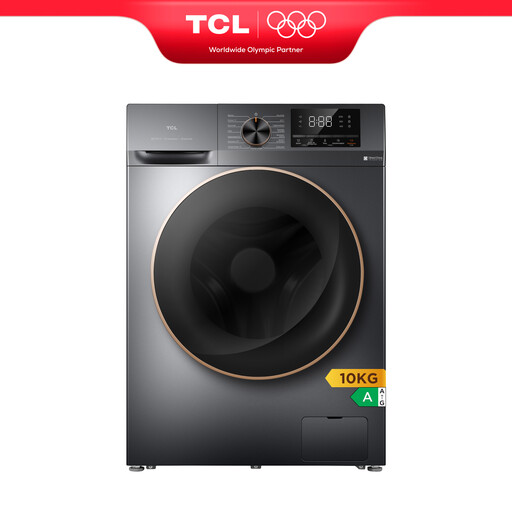 No image available
The product description says the 15-minute quick wash is designed for lightly soiled laundry, so it will not necessarily suit every load of towels.
The model name indicates a capacity of 10 kg.
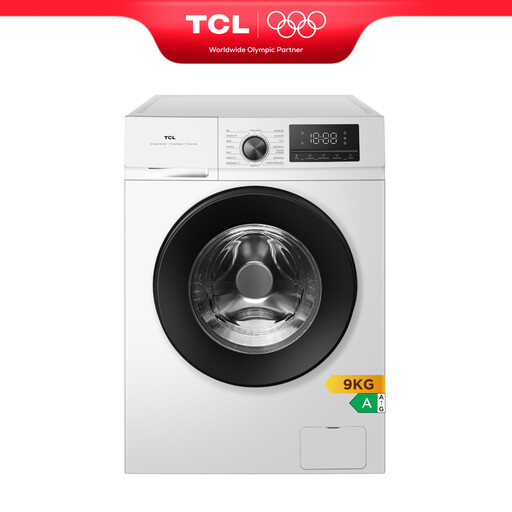 No image available
The product description lists a 15-minute quick wash for lightly soiled laundry. Before planning your wash, check that the programme is suitable for the particular load of towels.
The model name indicates a capacity of 9 kg.
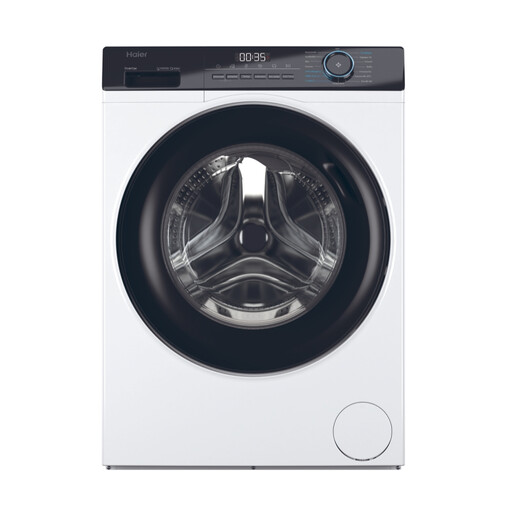 No image available
For planning your washing, the quick wash described for lightly soiled laundry and the delay start function may be useful. Check that the programme duration and load suit the time you have available.
The product name lists a 9 kg capacity and a maximum spin speed of 1400 rpm. The quick option is described as suitable for lightly soiled laundry.
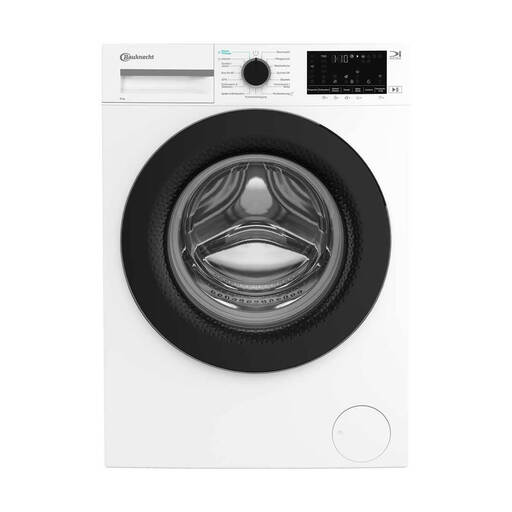 No image available
The Quick-45 cycle is described as suitable for a full load, which may be useful if you have limited time to wash. Check that the towels you plan to wash meet the programme requirements.
The product name lists an 8 kg capacity and a spin speed of 1400 rpm. For a full load on Eco 40–60, the programme duration is stated as 3 hours 38 minutes.
 No image available
The TurboWash option is stated to take 39 minutes for a half load, so this timing will not necessarily apply to a full load of towels.
The product name lists a 9 kg capacity and a spin speed of 1200 rpm. The 39-minute figure applies to a half load.
No. Eco 40–60 is not automatically suitable for every load of towels or every hygiene requirement. This EU-defined programme is intended for normally soiled cotton that can be washed at 40 or 60 °C according to its care label. The German government’s infektionsschutz.de portal recommends washing towels at a minimum of 60 °C with a heavy-duty detergent containing bleach. The German Environment Agency says that extra laundry disinfection is unnecessary for normally soiled laundry in a healthy household. Follow the care label, and if you have specific hygiene requirements, do not choose a programme based on its name alone.
Measure the space, including access, connections and room to open the machine. A top-loader such as the Bauknecht WAT Eco 712 B3 needs space above it for the lid to open; a front-loader needs room for the door to swing forwards. Also check who will handle installation and the initial test run.
Compare the current EU energy label figures for Eco 40–60: kWh per 100 cycles, litres per cycle, rated capacity and programme duration. The European Commission lists an A to G scale for the energy label, which has been in use since 1 March 2021. Older energy classes and consumption figures are not directly comparable with the current label.
For consumer purchases in Germany, the seller is generally responsible for the statutory two-year liability for defects; this is separate from any voluntary manufacturer’s guarantee. Electrical appliances must not be put in household rubbish. The German Environment Agency explains that large old appliances can be returned free of charge when buying a corresponding new appliance, including for online purchases with delivery.