If you wash shirts and have limited hanging space
If you can still fit a few shirts on hangers or a washing line, you could choose a washing machine. Just factor in the residual moisture and ventilation you’ll need when drying clothes indoors.


If you can still hang a few shirts to dry, a washing machine is usually enough, provided its spin performance and shirt programme suit your routine. However, it won’t replace the space you need to dry them. If you don’t have room to hang clothes either, a washer-dryer could be an option. In that case, pay particular attention to its lower drying capacity and the energy consumption of a full wash-and-dry cycle. Only tumble-dry cotton shirts if the care label says it’s safe to do so.
If you can still fit a few shirts on hangers or a washing line, you could choose a washing machine. Just factor in the residual moisture and ventilation you’ll need when drying clothes indoors.
If there’s no suitable place to hang clothes and no room for a separate tumble dryer, a washer-dryer combines washing and drying in the space taken up by one appliance. Bear in mind that its drying capacity is listed separately.
If you wash shirts often, check that the specific machine’s programmes are suitable for the care and drying symbols on each shirt. A shirt or steam programme doesn’t remove the need to check the care label.
A good fit if: There’s still room for a few shirts on hangers or a washing line after the spin cycle.
The trade-off: You’ll still need somewhere to dry your laundry. If you dry clothes indoors, regular ventilation is important.
A good fit if: There’s no room for a separate tumble dryer or enough space to hang clothes, and your shirts are suitable for tumble drying.
The trade-off: Washing and drying capacities differ, and a full wash-and-dry cycle has its own energy consumption figures.
A good fit if: There’s a suitable space for a second appliance alongside the washing machine.
The trade-off: You’ll need space for both appliances. Compare the specific tumble dryer’s energy consumption using its energy label.
| What matters | What to check before buying | Who it matters most to |
|---|---|---|
| Drying options when space is limited | Measure the available hanging and floor space. For a washer-dryer, check the washing and drying capacities separately. | If I have very little room to hang clothes, the drying option needs to suit my home. Around 36% of consumers are likely to put this first. |
| Room humidity and drying energy consumption | If you dry clothes indoors, consider how you’ll ventilate the room. For a washer-dryer, compare like-for-like cycle types only. | If I dry clothes indoors, I want to clear the moisture and understand how much energy drying uses. Around 29% of consumers are likely to prioritise room humidity and energy consumption. |
| Shirt care and creasing | Check the shirt programme on the specific model and the drying symbol on the shirt. Treat manufacturer claims about crease reduction as just that: manufacturer claims, not independent test results. | If I often wash cotton shirts, the programme and permitted drying method should match the care label. Around 21% of consumers are likely to put shirt care first. |
| Appliance dimensions and load size | Measure the appliance, connections and door clearance at the intended installation site. For washer-dryers, check both capacity figures. | If space is tight or the amount of laundry matters, the appliance and its load need to fit into everyday life. Around 14% of consumers are likely to prioritise dimensions and load size. |
According to AEG, the AEG LWR7AMZ48WD has a washing capacity of 8,0 kg and a drying capacity of 5,0 kg.
If you want to dry a load without taking some of it out first, plan around the permitted drying capacity.
A large wash load may therefore need an extra drying cycle or a different way to dry it.
The EU energy consumption figures shown are based on defined cycles. A wash-only cycle and a full wash-and-dry cycle are different things to compare.
Compare the same type of cycle and check the figures for the programme you actually plan to use.
Shirts left to dry indoors release moisture into the air too. The Verbraucherzentrale notes that moisture which isn’t removed can encourage mould growth.
If you dry clothes indoors, make sure you ventilate regularly. Before using a machine to dry them, check the care label.
The WAN282K3 combines cotton and shirt/blouse programmes with Iron Assist. It may suit households that can still hang a few shirts to dry.
The WMOFE841 is a front-loading washing machine with stated dimensions that may be useful to know if installation space is limited.
The LWR7AMZ48WD is a condenser washer-dryer for households that need washing and drying in one appliance.
LG lists the HPWD096C as a heat pump washer-dryer for households with limited hanging space.
This selection includes laundry towers and washer-dryers, a washing machine and separate tumble dryer set, and washing machines for households that still have some space to hang clothes.
 No image available
This laundry tower combines a washing machine and tumble dryer in the space taken up by one appliance, making it a good fit for households with little room to hang clothes.
It has a stated washing capacity of 12 kg and drying capacity of 10 kg. Allow for its stated height of 165,5 cm when planning where to put it. Only tumble-dry shirts if the care label says it’s safe to do so.
 No image available
This washer-dryer combines washing and machine drying for households with limited hanging space.
The product name specifies a Dual Inverter heat pump. Its 10 kg drying capacity is lower than its 12 kg washing capacity. Only tumble-dry cotton shirts if the care label says it’s safe to do so.
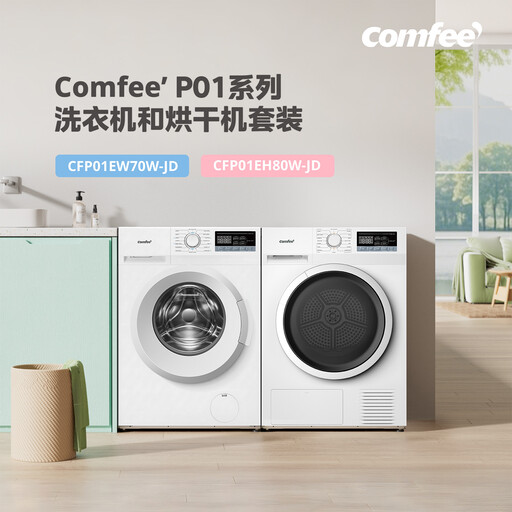 No image available
This set pairs a washing machine with a separate heat pump tumble dryer for households that want to dry clothes by machine.
As it includes two appliances, you’ll need room for both at the installation site. Only tumble-dry cotton shirts if their care label says it’s safe to do so.
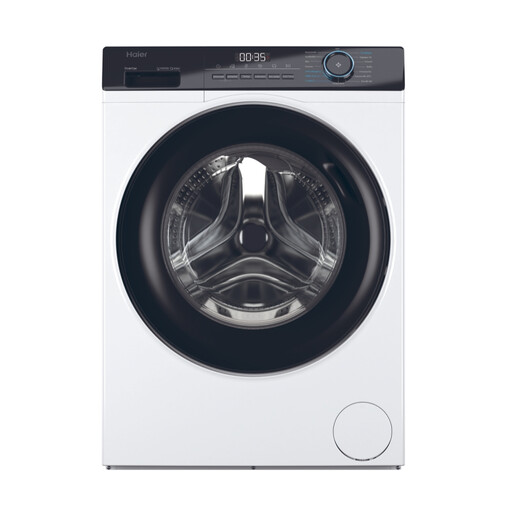 No image available
This washing machine may suit households that wash cottons and can still hang the rest of their laundry to dry.
The product name specifies a cotton programme, a maximum spin speed of 1400 U/min and an anti-crease function. The appliance doesn’t dry shirts, so you’ll still need somewhere to hang them.
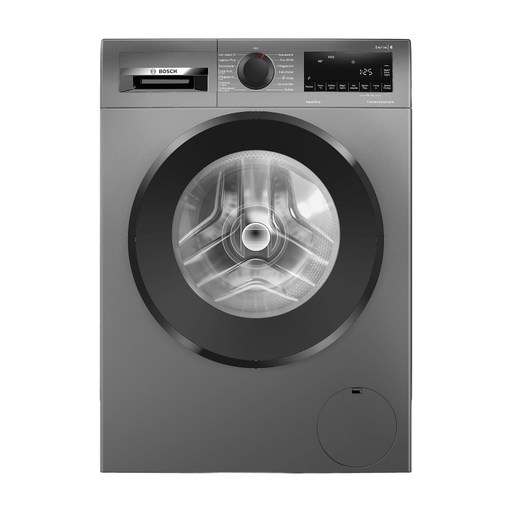 No image available
This washing machine may suit households that have somewhere to dry shirts after the spin cycle.
The product name specifies a 9 kg capacity, a spin speed of up to 1400 U/min, Iron Assist and energy class A. The appliance doesn’t dry clothes, and care instructions on the garment apply to cotton shirts.
No. Spinning removes water from laundry, but it doesn’t dry it completely. If you don’t use a tumble dryer, you’ll still need somewhere suitable to hang your clothes.
No. What matters is the drying symbol on the specific shirt, not just the fact that it’s made from cotton. Also check the appliance’s drying capacity and the programme you select.
Get rid of the moisture by ventilating the room regularly. The Verbraucherzentrale notes that moisture which isn’t removed can encourage mould growth.
Compare the wash-only cycle and the full wash-and-dry cycle separately. The figures relate to different cycle types, so they aren’t directly comparable.
The European Commission states that household washing machines and washer-dryers use the A to G scale, which has been in use since 1 March 2021. When comparing appliances, also check which cycle type the energy consumption figures are based on.