No room to hang clothes
If you have little room to dry T-shirts at home, a washer-dryer could be an option. First check the garments’ care symbols and the drying capacity per load.


If you can still hang your T-shirts up to dry with plenty of space around them, a washing machine of the right size is usually the best place to start: compare spin performance and energy and water consumption. If there’s no room for that either, a washer-dryer could be an option, as long as the care labels allow tumble drying and its smaller drying capacity suits your loads. According to the Verbraucherzentrale, washer-dryers use more electricity and water than separate appliances.
If you have little room to dry T-shirts at home, a washer-dryer could be an option. First check the garments’ care symbols and the drying capacity per load.
If you can hang smaller loads up with plenty of space around them, drum size and spin performance are important factors to consider. When drying clothes indoors, you’ll need to ventilate to remove moisture, as the Verbraucherzentrale also points out.
For printed T-shirts or garments with care symbols calling for gentle treatment, follow the recommended temperature and spin settings. GINETEX advises using a smaller load and a lower spin speed when there’s a bar beneath the wash symbol.
A good fit if: You have a well-ventilated place to hang your T-shirts.
Bear in mind: Clothes take time to dry; if you’re drying them indoors, you’ll need to air out the room regularly to remove damp air.
A good fit if: There’s no practical room for a clothes airer or a separate tumble dryer, and the care labels say your T-shirts are suitable for tumble drying.
Bear in mind: Drying capacity is often lower than washing capacity. According to the Verbraucherzentrale, washer-dryers use more electricity and water than separate appliances.
A good fit if: You have a suitable spot for two appliances but little room to hang clothes.
Bear in mind: You’ll need space for an extra appliance. If you plan to stack the appliances, the manufacturer’s instructions must approve the combination, and you’ll need to fit a suitable stacking kit.
| Priority | What to check when buying | Who is it important to? |
|---|---|---|
| Drying without space to hang clothes | Compare washing and drying capacities separately; check the care symbols on your T-shirts. | If there’s hardly any room to hang clothes at home, integrated drying becomes a deciding factor. Around 36 % of consumers put a lack of hanging space first. |
| Less time spent air-drying | Compare spin efficiency ratings and available spin speeds; follow the care symbols. | If you can still hang clothes up but want to free up the space sooner, residual moisture and suitable spin settings matter. Around 29 % of consumers want to reduce air-drying time. |
| Gentle care for T-shirts | Read the care labels and check for suitable wash programmes and adjustable spin settings. | If you want to protect prints or delicate fabrics, follow the care instructions rather than choosing the highest spin speed. Around 21 % of consumers put gentle T-shirt care first. |
| Right size and energy and water use | Check the appliance’s dimensions, including door clearance; consider your usual loads and compare consumption figures on a like-for-like programme basis. | If you’re mainly looking for an appliance that suits your usual loads and running costs, drum size and comparable label values are key. Around 14 % of consumers have this as their main priority. |
The European Commission sets out standardised programmes as the basis for energy labels on washing machines and washer-dryers. So, when comparing a washer-dryer, don’t compare the full wash-and-dry cycle directly with a wash-only cycle. The Umweltbundesamt also recommends choosing a drum size that suits your household’s usual needs. A higher spin efficiency can reduce residual moisture; however, GINETEX says that a bar beneath the wash symbol calls for gentler treatment, with a smaller load and lower spin speed.
Washer-dryers may have a lower drying capacity than washing capacity. So, a full wash load won’t necessarily fit into the same continuous drying cycle.
For a combined wash-and-dry cycle, use the drying capacity as your guide and check the consumption figures for washing and drying separately.
Depending on the load, you may need to run an additional drying cycle. The Verbraucherzentrale also says that washer-dryers use more electricity and water than separate appliances.
The fibre content alone doesn’t tell you whether a particular T-shirt can go in the tumble dryer. GINETEX points out that cotton knits can shrink during drying.
Check the tumble-drying symbol on each care label, and make sure you have somewhere suitable to air-dry any T-shirts that aren’t tumble-dryer safe.
The consumption figures on the label are based on specific programmes and operating modes, not every possible use.
Only compare figures for the same operating mode and programme basis. With washer-dryers, distinguish between washing alone and a full wash-and-dry cycle.
The door clearance, connections and, where relevant, space for a secure stacking kit can all affect where you can install the appliance.
Measure the space, including room for the door to open, and check the instructions for the specific model. For a stacked installation, use only a combination approved by the manufacturer.
The examples listed include a washer-dryer for households that need washing and drying in one appliance.
The models listed illustrate the choice between a washing machine for clothes you’ll hang up afterwards and a washer-dryer.
The washing machine listed is an option for households that can hang their T-shirts up after the spin cycle.
This selection includes washing machines for clothes you’ll air-dry afterwards, as well as a washer-dryer for households without a practical place to hang clothes.
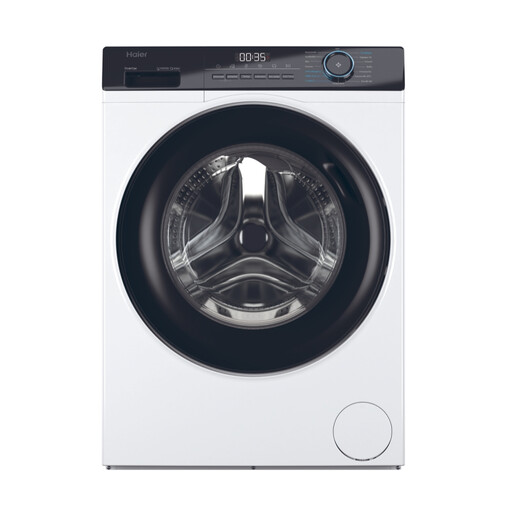 No image available
For washing clothes before hanging them up to dry; the product specifications list a T-shirt programme and adjustable spin speed.
Capacity: 9 kg. Energy efficiency class: A. Maximum spin speed: 1.400 U/min.
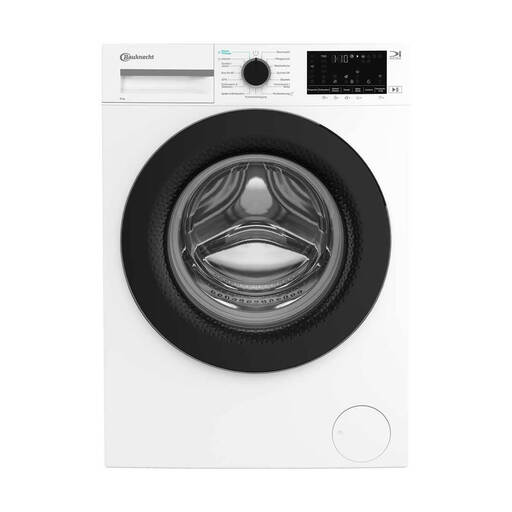 No image available
For washing clothes before hanging them up to dry; the product specifications list adjustable spin speed and temperature.
Capacity: 8 kg. Maximum spin speed: 1.400 U/min. Energy efficiency class: A.
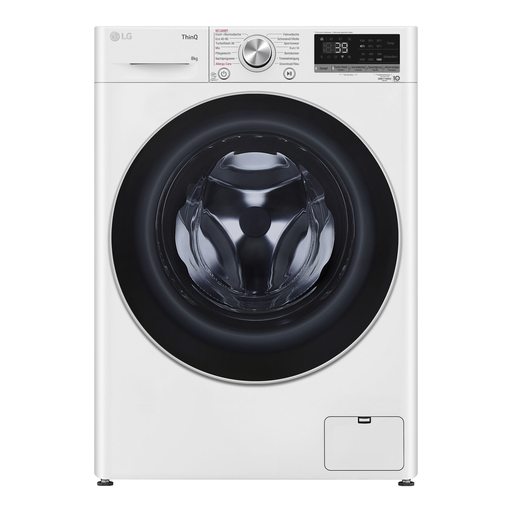 No image available
A washing machine option for households that can hang their T-shirts up to dry afterwards.
Capacity: 8 kg. The product specifications also list a steam function.
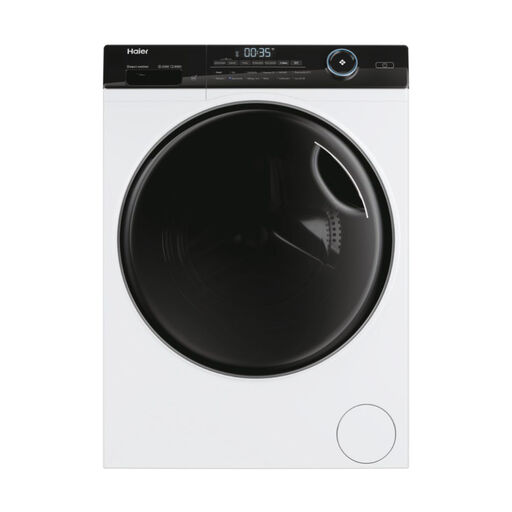 No image available
For washing clothes before hanging them up to dry; the product specifications list a Refresh steam function.
Capacity: 9 kg. Maximum spin speed: 1.400 U/min. Energy efficiency class: A.
 No image available
For households with limited hanging space, provided the care labels say the T-shirts can be tumble-dried. The combined wash-and-dry cycle has an energy efficiency class of C. According to the Verbraucherzentrale, washer-dryers use more electricity and water than separate appliances.
Washing capacity: 12 kg. Drying capacity: 10 kg. The product specifications list heat-pump drying.
Check the care label on the T-shirt. GINETEX points out that some cotton knits are best kept out of the tumble dryer because they may shrink; a label saying ‘cotton’ alone doesn’t mean tumble drying is allowed.
Washing and drying capacities are separate limits. For example, LG lists a 9 kg washing capacity and a 6 kg drying capacity for the W4WR70961. For a continuous cycle, the lower drying capacity is the one to follow.
Compare figures for the same operating mode and programme basis. The European Commission sets out defined cycles as the basis for energy labels on washing machines and washer-dryers. With a washer-dryer, compare wash-only and full wash-and-dry cycles separately.
Measure the space and allow for the door to open, then follow the instructions for installing and connecting the specific model. If you plan to put a separate tumble dryer on top, use only a combination approved by the manufacturer and fit a suitable stacking kit.
When drying clothes indoors, regularly remove damp air by opening the windows wide or creating a through-draught. The Verbraucherzentrale also recommends not leaving wet laundry in the machine for long, and drying the door seal and detergent drawer after washing.