Shared houses with regularly soiled workwear
Check whether the care label says the workwear can be washed at home, and which programmes are suitable for the fabrics. Plan separate loads in line with the care instructions for each item.


You can wash workwear in a shared-house washing machine if the care label and workplace rules allow it. Choose the capacity to suit the separate loads you actually need to wash, and check for suitable programmes, spin noise and water protection. A quick or hygiene programme does not override care instructions or any workplace requirement for professional cleaning.
Check whether the care label says the workwear can be washed at home, and which programmes are suitable for the fabrics. Plan separate loads in line with the care instructions for each item.
When several people use the same machine, it’s important to choose a suitable capacity, look for straightforward controls and consider whether the spin noise is appropriate for where the machine will be installed. Water protection and agreed washing times may also matter.
Compare appliance dimensions and consumption figures, and decide whether a separate washing machine is enough or whether you need a washer-dryer. The Verbraucherzentrale notes that washer-dryers use more electricity and water than separate appliances.
First, check whether and how the workwear can be washed at home. Then match the drum size and programmes to the separate loads you typically wash, and compare noise levels, water protection and consumption figures.
| What matters | What to check when buying | Who this matters most to |
|---|---|---|
| Washing workwear appropriately | Care labels and workplace rules; suitable programmes and their load limits. | If I regularly have workwear to wash, I mainly want to know whether it can be washed at home and which programme is suitable. Around 29% of consumers put this first. |
| Sharing the machine | Spin noise, water protection, controls and appliance dimensions. | If several people share the machine and living space, predictable washing times and a suitable place for the appliance matter to me. Around 23% of consumers prioritise trouble-free shared use. |
| Load size and fabric care | Compare your usual separate loads with the rated capacity and programme limits. | If workwear and everyday clothes need different care, I want to choose a drum size that suits each load. Around 18% of consumers pay particular attention to load size and fabric care. |
| Electricity and water consumption | Compare kWh per 100 Eco wash cycles and litres per Eco cycle; don’t assume the figures apply to other programmes. | If the machine is used regularly in a shared house, I want to compare ongoing consumption clearly and agree separately how to split the costs. Around 18% of consumers put this first. |
| Space and drying | Check the installation dimensions and available drying options; for washer-dryers, consider the washing and drying capacities separately. | If space is limited or clothes need to be dried in the same appliance, the combination of size and drying capability becomes a deciding factor for me. Around 12% of consumers base their choice mainly on this. |
Personal protective equipment and workwear contaminated with hazardous substances may be subject to specific workplace requirements and cleaning procedures. A domestic washing programme does not override them.
The right approach depends on the type of clothing, any contamination and your employer’s requirements. The Federal Institute for Occupational Safety and Health explains in TRGS 500 that workwear contaminated with hazardous substances should not be taken home for cleaning.
The drum’s rated capacity does not automatically apply to every wash cycle. For the Beko B5WFT78410W, the manufacturer specifies a maximum load of 2 kg for the 14-minute programme.
Check the manual for your specific model to find the load limit for every programme you plan to use regularly.
A low programme load limit may mean extra wash cycles, extending the washing times shared with others.
A shorter wash cycle does not automatically use less energy. EU label figures are based on the Eco 40–60 programme, not on specialist or quick programmes in general.
Only compare consumption figures on the same basis, and take the care label for each load into account. The German Environment Agency recommends Eco 40–60 for normally soiled laundry.
According to the Verbraucherzentrale, washer-dryers use more electricity and water than separate appliances. You may also only be able to dry part of the wash load straight after washing.
First, check whether a clothes airer or another drying option in your shared house will do the job. If you need a washer-dryer, compare its washing and drying capacities separately.
For the WAN28271 model, Bosch lists an 8 kg capacity, AquaStop, a reload function and Hygiene Plus. This can give you a useful basis for comparing capacity, water protection and programmes.
For the iQ300 WM14N271, Siemens lists an 8 kg capacity, aquaStop, a reload function and an Outdoor programme. The latter may be a useful feature if it suits the care labels on your fabrics.
For the B5WFT78410W, Beko lists an 8 kg capacity, plus Stain, Outdoor and quick programmes. These features can be compared with the fabrics you actually need to wash and that are suitable for home laundering.
For the W1 model WWB360 WPS PWash&8kg, Miele lists an 8 kg capacity, 1.400 U/min and QuickPowerWash. You can compare these specifications with the programmes and features you need.
These washing machines may suit laundry loads shared between housemates. Check whether the capacity and listed programmes are appropriate for your separate loads and the care instructions for your workwear.
 No image available
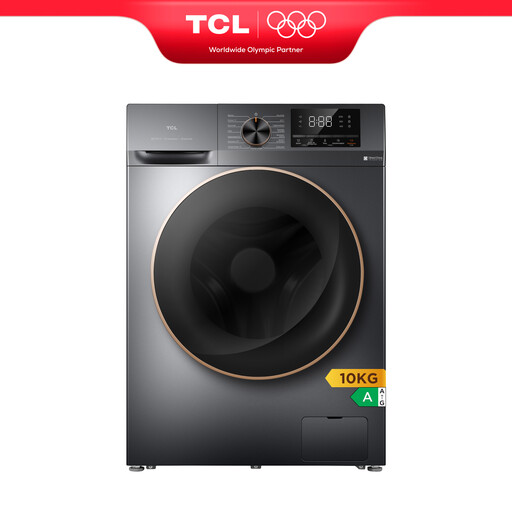
The stated capacity may suit larger shared-house loads, provided the laundry can be washed together and in line with its care instructions.
Features listed include a Smart DD motor, steam wash, a 15-minute quick programme, child lock, delay start and energy efficiency class A.
 No image available
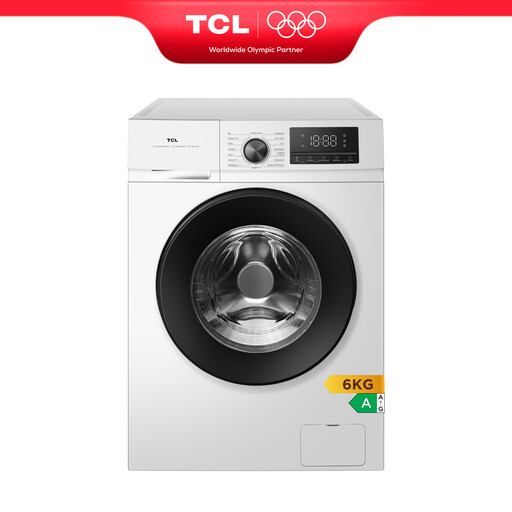
The stated 6 kg capacity may suit smaller separate loads; compare it with the amount of workwear and everyday laundry you usually wash.
Features listed include a BLDC motor, steam wash, a 15-minute quick programme, child lock, a honeycomb drum and energy efficiency class A.
 No image available
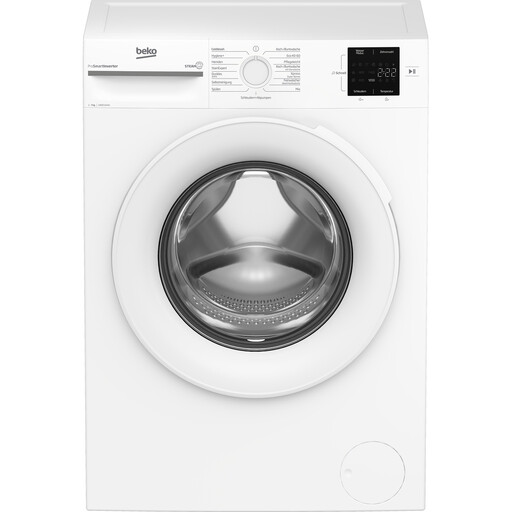
The stated capacity and listed programmes can help you compare this model with the separate loads in your shared house. The care label and the permitted load for each programme remain the deciding factors.
Features listed include 1.400 U/min, SteamCure, a ProSmart Inverter motor and energy efficiency class A.
 No image available
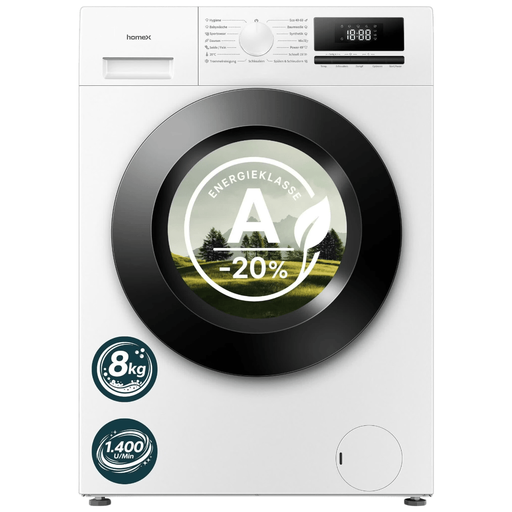
The stated capacity may suit shared-house loads if it matches the amounts you actually need to wash together and the relevant care instructions.
Features listed include 1.400 U/min, a steam function, an inverter motor, AquaStop and energy efficiency class A.
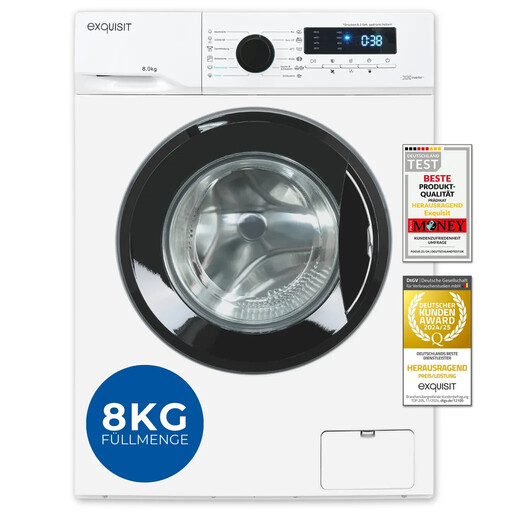 No image available
Compare the stated capacity and delay start with your usual shared-house loads and the washing times you’ve agreed with your housemates.
Features listed include energy efficiency class A, a maximum spin speed of 1.400 U/min, 13 programmes, AquaStop, delay start and child lock.
No. A ‘washable’ label alone doesn’t tell you whether the garment can legally be cleaned at home. Workplace rules apply to personal protective equipment; in TRGS 500, the Federal Institute for Occupational Safety and Health states that workwear contaminated with hazardous substances should not be taken home for cleaning. For ordinary clothing that has not been contaminated in this way, follow the care label and your employer’s instructions.
No, not necessarily. The German Environment Agency recommends Eco 40–60 for normally soiled laundry. Whether this programme is suitable for specific workwear depends on its care label and how soiled it is. A domestic washing programme does not replace professional cleaning required by your workplace.
Check the space available, appliance dimensions, connections and water protection, and agree washing times and how to separate laundry that needs different care. The Verbraucherzentrale recommends dosing detergent according to the amount of laundry, how soiled it is and the local water hardness.
They provide a basis for comparison using Eco 40–60, but they don’t show the consumption for every shared-house load or specialist programme. The European Commission sets out requirements for this programme; when splitting the actual costs, housemates should take account of how the machine is used and what they have agreed.
No. Your statutory rights cover claims against the seller if a product is faulty; a guarantee is a voluntary promise with its own terms. The Verbraucherzentrale recommends checking the scope and cost of any additional services separately.