If you have a narrow space for your washing machine
If width or depth is your main constraint, remember to allow space for opening the machine and loading it, too.


First, measure whether width, depth or height is the tightest constraint. A top-loader may suit a narrow space, a slimline front-loader could work where depth is limited, and a compact model may be better for small loads of aprons when height is restricted. Then compare the space needed for installation and opening, the load size, care labels and programmes. Manufacturers’ claims about stain-removal programmes apply only under the conditions specified and do not replace workplace hygiene requirements.
If width or depth is your main constraint, remember to allow space for opening the machine and loading it, too.
If you wash aprons regularly, let the care label, the type of dirt and the size of a typical load help you choose the right appliance and programme.
If you wash one or a few aprons at a time, choose a capacity that suits your usual load rather than basing your choice solely on the available space.
A good fit if: width is your main constraint and there’s enough space above the machine to open the lid.
Bear in mind: A narrow machine may still be too deep, and you’ll need enough headroom to open the lid.
A good fit if: depth is your main constraint and there’s enough space at the sides and in front of the door.
Bear in mind: A shallower machine doesn’t guarantee that the door, hoses and controls will fit in your space.
A good fit if: height is limited and you really do wash only small loads of aprons.
Bear in mind: If you wash several aprons or they’re heavy, a smaller capacity could mean running extra cycles.
| What matters | What to check before buying | Who is this especially important to? |
|---|---|---|
| Space for installation and opening | Check the specific model’s width, depth and height, as well as the space needed to open the lid or door and move the machine into place. | If space is tight in one direction, I want to be sure there’s still room to load and open the machine. This is a key consideration for around 33% of consumers whose main concern is space. |
| Stains and fabric care | Compare the care symbols with the programmes on the specific model, and try not to let stains set in. | If aprons are often stained, I want to choose a suitable programme without exceeding the recommended care instructions. This is a priority for around 27% of consumers who focus on cleaning and caring for aprons. |
| Drum size for small loads | Compare the size of your usual dry load and how often you wash with the stated rated capacity. | If I usually have only a few aprons to wash, I want a suitable capacity rather than a machine chosen solely to fit the available space. This is the main concern for around 20% of consumers with small loads. |
| Energy and water use, and safe installation | Compare consumption figures based on the same programme, and check the water protection features of the specific model. | If I use the machine regularly or need to plan its location carefully, I want to take consumption and water protection into account. This is a priority for around 20% of consumers who focus on running costs and installation. |
Since 1 March 2021, the EU energy label for washing machines has used ratings from A to G. Compare consumption figures only when they’re based on the same programme. The German Environment Agency points out that quick programmes save time, but don’t automatically save energy.
A slim top-loader may still be deep, and it needs enough space above it for the lid to open.
Measure the width, depth and height, as well as the opening space and route into your home, then compare them with the dimensions of the specific model.
Manufacturers’ tests may be limited to specific fabrics and programmes. The care label sets the recommended maximum washing temperature.
Compare the care symbols with the programme description. If you’re washing aprons for commercial use, you should also follow your workplace hygiene plan.
The German Environment Agency distinguishes between quick programmes that save time and longer programmes that save energy.
Compare cycle times and consumption figures on the same programme basis, and choose a programme to suit the level of soiling and the care label.
A washer-dryer also solves a drying problem; it won’t necessarily help if width or depth is limited.
Consider one only if you also lack a practical way to dry your washing, in addition to having limited space for the appliance.
According to the Verbraucherzentrale, washer-dryers use more electricity and water than separate appliances. You may also be unable to dry a full wash load straight after washing it in one cycle.
The WMT Eco Star 626 A is a specific top-loader example for a space where width is limited.
The LTR6N40260 is a top-loader example with a load-adjustment feature, according to the manufacturer.
The WML61433NPS1 is a front-loader example to consider if depth, rather than width, is the main constraint.
The Aquamatic range is a compact option for spaces with limited height and small loads of washing.
The Joybuy options below range from a 13 kg front-loading washing machine to small mini washing machines. Before choosing, check that the load size, care requirements and space available suit your aprons.
 No image available
Could suit larger combined loads, provided the measured space is big enough for this specific appliance.
Listed in the product name: 13 kg, 1.360 rpm, AI DD, AquaLock and LoadSense.
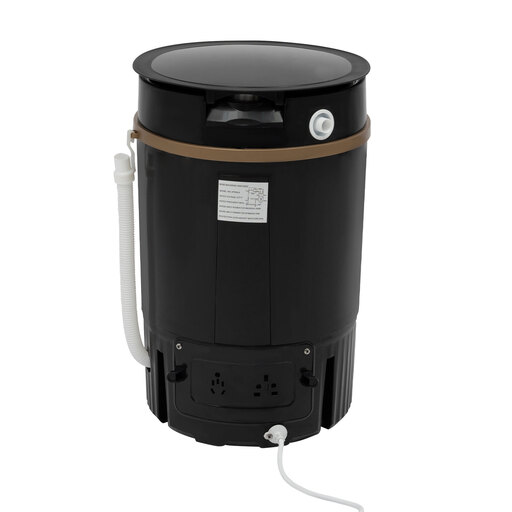 No image available
Described as suitable for very small items; check that the apron fabric and actual load size are suitable for this appliance.
Listed in the product name: 260 W, 1.19Gal and a spin basket; described as semi-automatic.
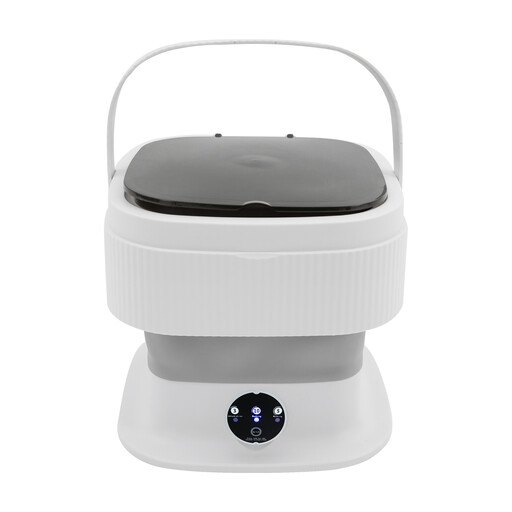 No image available
The product description presents this appliance as suitable for small loads; check the amount of washing you have against its stated capacity.
Listed in the product name: 10 l and semi-automatic operation.
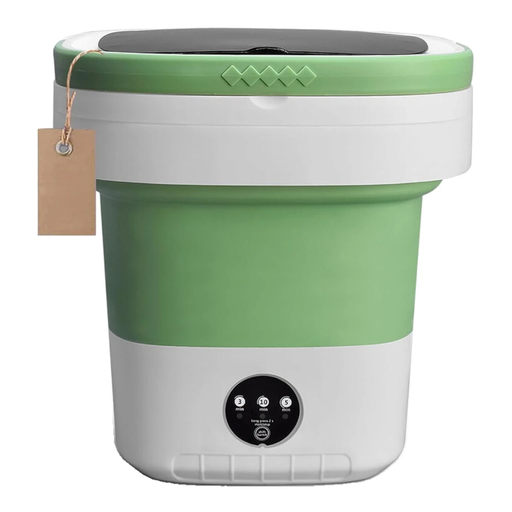 No image available
Described as suitable for small loads; check beforehand that the size and fabric of your aprons are suitable.
Listed in the product name: 12 l and a foldable design. The description mentions a separate spin basket.
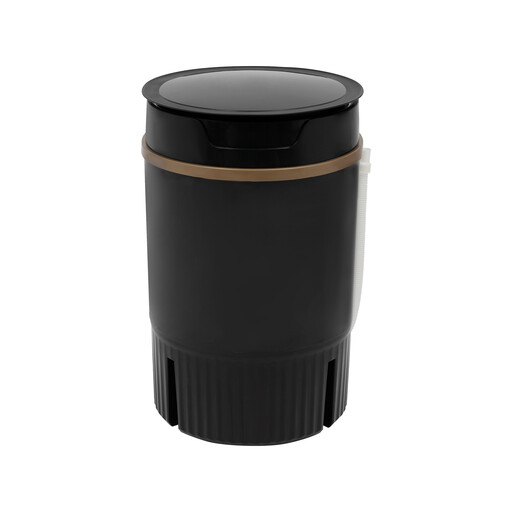 No image available
Described as suitable for small loads; compare its capacity with the amount of washing you have and check the care label.
Listed in the product name: 4.5L, 260 W and IPX4; the description mentions three wash modes and a spin function.
No. The European Commission describes Eco 40–60 as a programme for normally soiled cotton that can be washed at 40 °C or 60 °C, according to its care label. For an individual apron, follow the care label and, where applicable, workplace hygiene requirements. The programme name alone does not confirm a particular hygiene result.
Check the installation space, connections and water protection, and consider the specific circumstances of your home and tenancy agreement. The Verbraucherzentrale explains that you can generally install a washing machine in your own home, while also highlighting the risk of water damage and insurance considerations.
For household washing machines, compare EU energy label figures based on the same programme. Since 1 March 2021, the scale has run from A to G. The label includes energy consumption per 100 cycles, water consumption per cycle, capacity and noise levels, among other details. These figures don’t automatically represent the cost of washing each individual load of aprons.
When it comes to workwear in commercial catering, washing clothes at home isn’t automatically the same as following a workplace hygiene plan. The German Federal Institute for Risk Assessment recommends suitable, clean workwear that’s stored separately from personal clothing, as well as fresh workwear every day. This does not establish a general legal washing temperature for every apron.
Before ordering, check whether delivery to the installation location, connection and removal of your old appliance are included in the specific offer. Consider these services separately from the appliance specifications and consumption figures.