If you often wash just a few aprons, check the load limit for the quick programme and whether the specific model adjusts its water consumption to the load. The maximum drum capacity alone won’t tell you this. For stains or aprons used in a food business, suitable standard programmes, the care label and, where applicable, workplace hygiene requirements matter more than the shortest cycle time. The values on the EU energy label are based on Eco 40–60 and cannot simply be applied to quick or stain programmes.
Who is this selection for?
If you often wash aprons on their own
If you regularly have just a few lightly soiled aprons to wash, check the load limit and cycle time for the programme you want to use. The Verbraucherzentrale recommends choosing an appliance size that suits your household’s laundry needs.
If you need to wash stains from work aprons
For recurring stains, choose a suitable standard or stain programme that matches the fabric and care label, and check its load limit. The Verbraucherzentrale advises adjusting the amount of detergent and the wash cycle to the size and soil level of the load.
If you’re responsible for kitchen aprons
For aprons used in a food business, your choice of appliance must suit the workplace hygiene procedure and the care label. EU food hygiene legislation requires work clothing to be suitable and clean; the BfR recommends fresh work clothing every day in commercial catering.
What should you look for when buying?
For frequent small loads of aprons, the key considerations are the programme’s load limit, the type of soiling and – for commercial use – the workplace procedure.
| What you need |
What to check before buying |
Who will find this particularly important? |
| Small loads |
The programme table for the number of aprons you actually wash, and whether the machine can adjust its settings to the load. |
If I usually wash just a few lightly soiled aprons, I want to know whether the quick cycle is designed for that load size. Around 40% of consumers prioritise a suitable load size for small programmes. |
| Stains and fabric care |
The care label, material and limitations of the standard or dedicated stain programme. |
With recurring stains, I want to choose a programme that suits the fabric and level of soiling, rather than focusing solely on the shortest cycle time. Around 30% of consumers prioritise stain treatment and suitable fabric care. |
| Workplace hygiene |
The workplace hygiene procedure, care label and suitability of the intended wash programme. |
If I use aprons in a food business, the wash must comply with workplace requirements. Around 20% of consumers prioritise this when choosing an appliance. |
| Running costs |
EU label values for Eco 40–60 and information about the programme you actually use; dose detergent according to the load size, level of soiling and water hardness. |
With frequent washes, I want to understand the consumption of the programmes I actually use, rather than relying on a single label value. Around 10% of consumers focus mainly on running costs. |
Common buying pitfalls
-
Confusing drum capacity with the quick programme’s load limit
The Beko BM3WFU4741N has a rated capacity of 7 kg, but the manufacturer specifies a maximum load of 2 kg for the Xpress programme. Drum size alone therefore won’t tell you how much laundry you can put in a quick cycle.
Check the load limit for the specific programme you plan to use for your aprons.
Using an unsuitable programme may mean you need to run another wash.
-
Applying Eco label values to quick or stain washes
The consumption figures on the EU energy label are based on Eco 40–60 and do not automatically apply to other programmes.
Compare label values only under the same conditions, and look for separate figures for other programmes if they’re available for the specific model.
-
Assuming household laundry advice applies to kitchen aprons
For aprons used in a food business, cleaning must suit both the workplace hygiene procedure and the fabric. A quick programme alone does not prove that the cleaning is suitable for workplace use.
Before choosing an appliance, check which textiles and programmes are compatible with the procedure. You cannot infer a universal washing temperature from this.
Key brands at a glance
Beko
For the German-market BM3WFU4741N, Beko lists a quick programme for small loads, as well as a separate StainExpert programme.
- Beko Germany specifies a 14-minute cycle and a maximum load of 2 kg for Xpress.
- The time and load figures apply to this programme. A quick cycle is not automatically suitable for dried-in stains or workplace hygiene requirements.
Bauknecht
According to Bauknecht Germany, the BW 719 A front-loader has a rated capacity of 7 kg, along with quick and stain options.
- The manufacturer’s information describes options for shortening the cycle or intensifying the wash.
- Bauknecht’s stain-removal claims are based on tests on cotton using the anti-stain programme; this does not mean the same results can be expected for every apron. Check the limitations of the specific programme.
Bosch
Bosch describes ActiveWater Plus on Series 6 and Series 8 washing machines as adjusting the amount of water to the load.
- Load adjustment can be a useful feature if you wash different-sized loads.
- The manufacturer’s description does not quantify consumption for a specific small-load programme or the stain-removal performance of an individual model.
Siemens
For the WM14N0A5, Siemens lists Super 30'/15' as a programme option.
- This model may suit you if you’re looking for a choice of short programmes.
- The stated maximum load of 8 kg is not the load limit for the 15-minute programme. Check the programme table for the number of aprons you intend to wash.
Washing machines at Joybuy
Depending on the model, these machines offer quick programmes or features that adjust to the load and fabric. For aprons, check the programme load limit and whether it’s suitable for the material and level of soiling.
 No image available
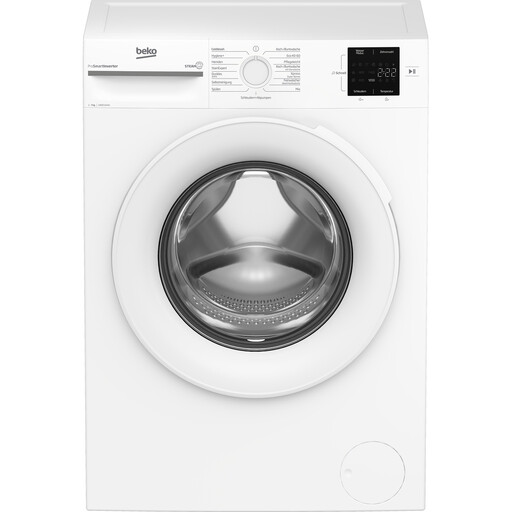
Beko BMMWFU374A, 7 kg, 1400 RPM
The description lists OptiSense, which adjusts water and energy use to the load weight, as well as a Quick programme for small, lightly soiled loads.
Other details in the product name include SteamCure, ProSmart Inverter Motor and Energy Class A. The stated depth is 496 mm.
According to the description, the Quick programme is designed for small, lightly soiled loads. For other types of soiling, choose a suitable standard programme.
View at Joybuy
 No image available
Comfee CFP01EW70W-JD, 7 kg
The description lists a 15-minute wash for small, lightly soiled loads. Check whether it’s suitable for your aprons.
Other details include 16 wash programmes and a depth of 400 mm.
View at Joybuy
 No image available
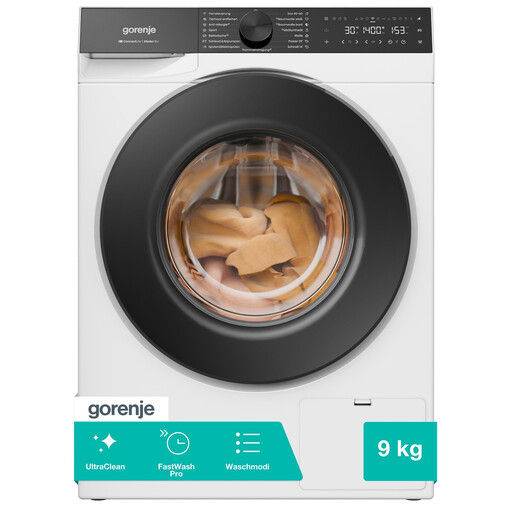
Gorenje W5G694A1T1, 9 kg, 1400 RPM
AdaptTech is described as adjusting the wash cycle to the load and fabric. StainExpert and a 14-minute Quick Wash programme are also listed.
The description lists 15 programmes. For aprons, check the load limit and the fabric and soiling requirements for the programme you choose.
View at Joybuy
 No image available
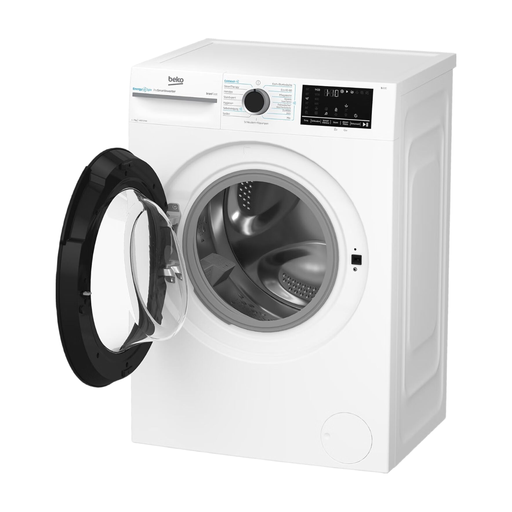
Beko BM3WFU4741N, 7 kg, 1400 RPM
Beko Germany specifies a maximum load of 2 kg for the 14-minute Xpress programme. This may suit washing a single lightly soiled apron, provided it meets the care label and programme requirements.
StainExpert is listed as an additional programme option. The manufacturer states that the quick cycle is not a substitute for an intensive wash.
View at Joybuy
 No image available
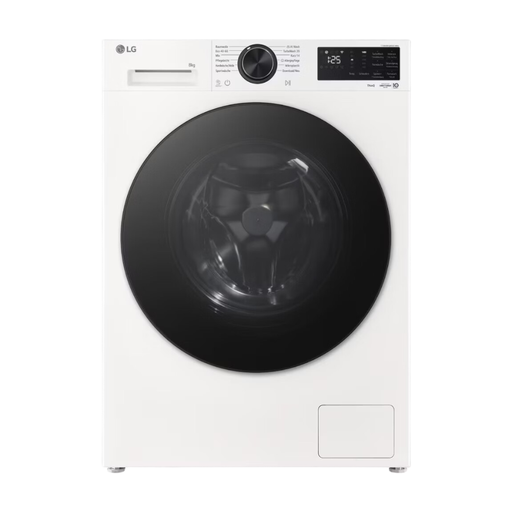
LG F4WX708YC, 8 kg, 1400 RPM
The description lists AI DD, which takes fabric type and load weight into account. TurboWash is specified as taking 39 minutes for a half load.
A Quick-14 programme is described for lightly soiled laundry. Check the programme table before using it for more heavily soiled aprons.
View at Joybuy
Frequently asked questions
Is a 14- or 15-minute programme suitable for every load of aprons?
No, a quick programme won’t automatically suit every load of aprons. For the Beko BM3WFU4741N, Beko Germany specifies a maximum load of 2 kg for the 14-minute Xpress programme, which is described as being for laundry that does not need an intensive wash. Check the stains, care label and programme table for the specific model.
Does the EU energy class show how much a quick programme uses?
No. The figures in kWh per 100 cycles and litres per cycle are based on Eco 40–60. Use them to compare appliances under those label conditions, not as a consumption figure for another programme.
Is there a general legal washing temperature for kitchen aprons?
The legal and official guidance cited here does not specify a universal washing temperature for every apron. EU food hygiene legislation requires work clothing to be suitable and clean; the European Commission describes hygiene requirements for food businesses as risk-based. The BfR recommends fresh work clothing every day in commercial catering. For commercial use, textiles and washing procedures must be compatible with the workplace hygiene procedure.
How should I look after a washing machine if I use it frequently?
Don’t leave damp laundry in the drum for long. Dry the seal and detergent drawer, and leave the machine open to air-dry after washing. The Verbraucherzentrale also recommends cleaning the fluff filter regularly and washing suitable white laundry with a powder detergent for whites at 60 °C about once a month. Always follow the care labels.


