What matters when washing small loads of bath mats?
First, check which programme is suitable for the care label and the actual load. Then compare the machine’s design and dimensions with the space available. The EU energy label bases its consumption figures on Eco 40–60; Verbraucherzentrale recommends comparing these figures on a like-for-like basis.
| Consideration |
What to check when buying |
Who is this important to? |
| Consumption and programmes |
Check how the specific model adapts to the load and the permitted load for the programme you want to use; compare Eco 40–60 figures only on the same label basis. |
If I often wash small loads of items that can be washed together, I want to know which programmes are suitable. Around 36% of consumers prioritise consumption and programmes for small loads. |
| Unbalanced loads during spinning |
Read the guidance on spinning unbalanced loads and check whether suitable textiles can be washed with the mat. |
If I wash a mat on its own, I want to avoid it being left wet after a spin cycle is stopped or reduced. Around 29% of consumers focus on spinning and unbalanced loads. |
| Mat care and programmes |
Compare the care label with the programme table and check any load limit for quick programmes. |
When I’m looking for the right setting for my mat, I follow its care instructions rather than choosing the largest drum capacity. Around 21% of consumers prioritise mat care and programme load limits. |
| Space and connections |
Measure the alcove, connections and clearance needed to open the machine; compare the dimensions and design of the specific model. |
If space in my alcove is limited, I want to be sure the door or lid can open where the machine will go. Around 14% of consumers prioritise space and connections. |
Joybuy models for small laundry loads and bath mats
The following Joybuy models include front-loaders and top-loaders with different nominal capacities. If you often wash small loads, compare the programme requirements and machine design with your mat and the space available.
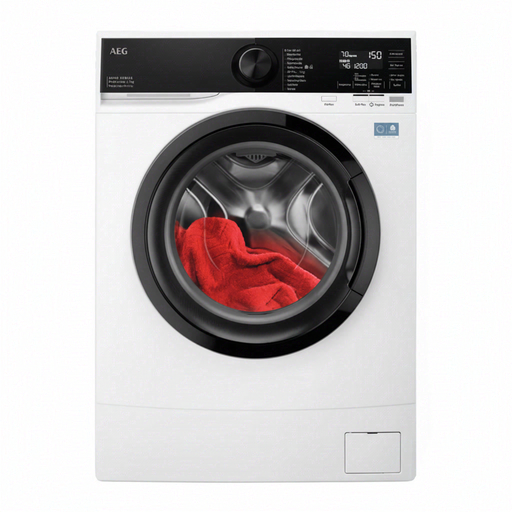 Image unavailable
AEG LSR6FA75470 Series 6000 Slim, 7 kg
If you often wash small loads, AEG’s description of the ProSense adjustment on this model is worth noting. Also check the load limit for the programme you choose.
Front-loader; 7 kg nominal capacity; appliance depth 487 mm; ProSense; maximum spin speed 1400 rpm; energy class A.
View at Joybuy
 Image unavailable
LG F4WR5035, 13 kg
If you’re comparing a model with a higher nominal capacity, check carefully what load is permitted for the programme you need for your mat.
Front-loader; 13 kg nominal capacity; 1,360 rpm; AI DD; 6 Motion Drum; LoadSense; AquaLock.
View at Joybuy
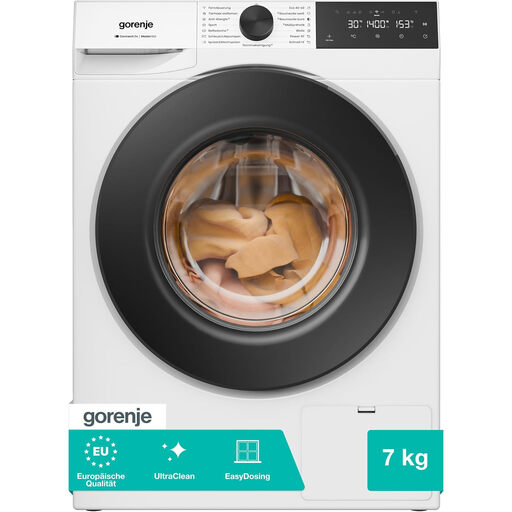 Image unavailable
Gorenje W5G474A2P1, 7 kg
If you’re comparing programmes for different types of laundry, check that the load limit for each programme is suitable for your mat’s care instructions.
Front-loader; 7 kg nominal capacity; maximum spin speed 1400 rpm; 15 programmes.
View at Joybuy
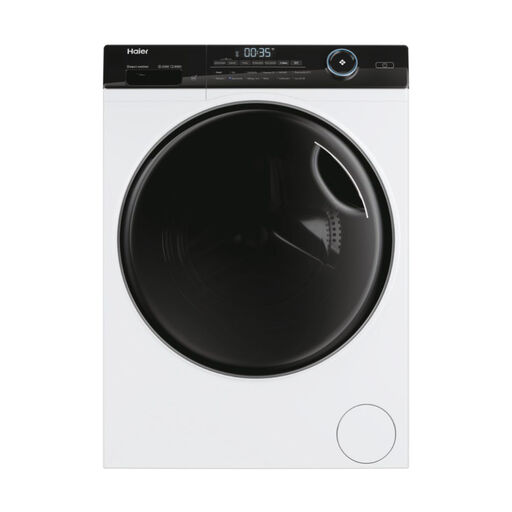 Image unavailable
Haier I-PRO Series 5 HW90-B14959U1, 9 kg
If you often wash small loads, check the programme details for the load in question. Don’t assume the nominal capacity is the load limit for every programme.
Front-loader; 9 kg nominal capacity; maximum spin speed 1400 rpm; energy efficiency class A; hOn App.
View at Joybuy
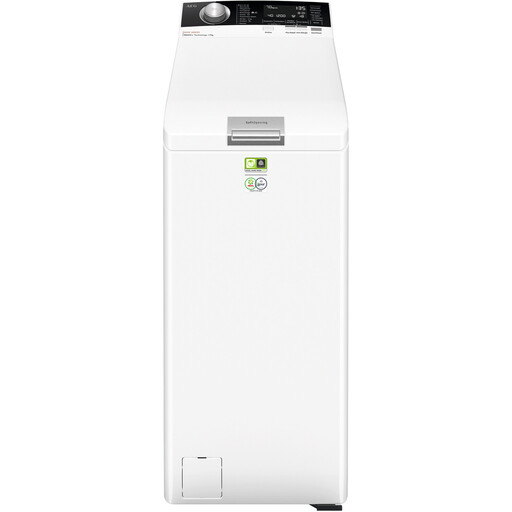 Image unavailable
AEG LTR8A80370, 7 kg
If there’s little room at the sides for a front-loader door, a top-loader may be a good option. Remember to check there’s enough clearance above the lid, too.
Top-loader; 7 kg nominal capacity; PowerCare; ProSteam.
View at Joybuy
Frequently asked questions about washing machines for bath mats
Is a high spin speed enough for a single bath mat?
Not necessarily. A single mat can cause an unbalanced load, so the machine may stop the spin cycle or reduce the spin speed. Check the care label first, and only wash the mat with other textiles if their care instructions say they can be washed together.
What does the energy label tell me about short mat-washing cycles?
The EU energy label gives consumption figures for Eco 40–60, including kWh per 100 cycles and water per cycle. These figures aren’t a direct measure of consumption for a different delicate or quick-wash programme.
What should I consider when choosing detergent and loading the machine?
The Umweltbundesamt recommends dosing detergent according to water hardness and how soiled the laundry is, following the instructions on the packaging. Also bear in mind that the permitted load can vary from one programme to another.
Who is responsible if my new washing machine is faulty?
In Germany, statutory consumer rights for faulty goods are generally claims against the seller and apply for two years from delivery or receipt of newly purchased goods. A manufacturer’s guarantee is separate and is subject to its own terms. This is in line with information from Verbraucherzentrale.
How should I dispose of an old washing machine or arrange for it to be taken away?
An old washing machine must not go in household waste; it needs to be disposed of separately. The Umweltbundesamt lists local collection points and the option to return a large old appliance when buying a new one of the same type, including online purchases with delivery. Check when placing your order whether collection is available.


