If width is your main constraint, a top-loader may be an option, provided its lid can open fully. If depth is limited, a slimline front-loader could fit, as long as there’s enough room in front for the door. Before choosing a model, measure the space, clearance for opening and connections at the intended installation point. For cotton laundry, the European Commission states that ‘Eco 40–60’ is intended for cotton labelled as suitable for the programme, but this does not guarantee a wash at an actual temperature of 60 °C.
Which design is right for you?
Homes with a narrow laundry space
If width is limited, check whether a top-loader will fit, with enough room to open the lid, or whether a front-loader would suit the space better. The North Rhine-Westphalia Consumer Advice Centre recommends considering the machine design alongside the available space.
Homes with limited installation depth
Look beyond the cabinet depth and allow room for the door and connections too. AEG lists a maximum depth of 416 mm and a width of 595 mm for the LSR6FA70269 model.
Homes with small cotton laundry loads
Choose the drum size to suit the items you usually wash together. The Consumer Advice Centre explains how to compare energy consumption using Eco programmes; the European Commission describes ‘Eco 40–60’ as intended for normally soiled cotton labelled as suitable for the programme.
What should you look for when buying?
Top-loader
A good fit if: width is limited and the lid can open fully upwards.
Bear in mind: The space above the machine must be clear; check the dimensions and connections for the specific model.
Slimline front-loader
A good fit if: depth is the main constraint and there’s enough room for the door to swing open.
Bear in mind: A shallow cabinet won’t eliminate the space needed for the door or connections.
The North Rhine-Westphalia Consumer Advice Centre recommends checking the available space and access for loading together. Then decide whether care programmes, drum size or consumption matter most for your everyday needs.
| Criterion |
What to look for |
Who it matters most to |
| Fit and access |
Check the machine’s dimensions against the available space, door or lid clearance, and connections. |
If the laundry space is tight, I need a machine whose door or lid can open where it’s going to stand. Around 36% of consumers put fit first. |
| Cotton care |
Check the care label, cotton programme and temperature options in the instructions for the specific model. |
If I want to wash cotton underwear in line with its care label, a suitable programme with clear temperature options matters to me. Around 29% of consumers give cotton care the highest priority. |
| Drum size |
Compare the rated capacity with the laundry you regularly wash together. |
For smaller, varied loads, I want a drum capacity that suits the laundry I usually wash. Around 21% of consumers put choosing the right size for small loads first. |
| Consumption |
Compare kWh per 100 Eco cycles and litres per Eco cycle on the same basis. |
If running costs matter to me, I want to compare the models’ label figures directly. Around 14% of consumers prioritise energy and water consumption. |
Common buying mistakes
-
Measuring only the cabinet width
A machine may fit in the space, but its door or lid could hit an obstacle when opened.
Before ordering, check the dimensions of the specific model, opening clearance and connections at the installation point.
-
Assuming ‘Eco 40–60’ is a fixed 60 °C wash
The European Commission describes this programme as being for normally soiled cotton labelled as washable at 40 °C or 60 °C. The programme name alone doesn’t mean the wash actually runs at 60 °C.
If you need a specific temperature, check the temperature options and conditions in the instructions for the specific model.
-
Looking only at the energy rating
The rating letter doesn’t replace comparing consumption figures on the same programme and labelling basis.
Compare kWh per 100 Eco cycles and litres per Eco cycle, rather than judging overall consumption by a single figure.
-
Choosing a washer-dryer in a hurry because space is limited
The Consumer Advice Centre points out that a washer-dryer’s capacity for drying a load straight after washing may be lower than its washing capacity.
First, consider whether using a clothes airer would work for you. If you’re thinking about a washer-dryer, compare its washing and drying capacities, as well as consumption, separately.
The Consumer Advice Centre also notes that washer-dryers use more electricity and water than separate washing machines and tumble dryers.
Key brands at a glance
AEG
The models mentioned include a slimline front-loader and a top-loader, each with a rated capacity of 6 kg.
- For the LSR6FA70269 slimline front-loader, AEG lists a maximum depth of 416 mm and a width of 595 mm.
- These dimensions and load-adjustment details apply to the specific models and shouldn’t be assumed to apply to every machine from the brand.
Bauknecht
The DTL 6B BK W FF top-loader is a specific example of a narrow machine.
- Bauknecht lists the 6 kg model as 40 cm wide, 60 cm deep and 90 cm high.
- As it loads from the top, there must be enough room above the lid for it to open.
Beko
The BMMWFU374A front-loader is an example of a larger rated capacity in a relatively shallow machine.
- Beko lists this model as 7 kg, 60 cm wide, 49,6 cm deep and energy class A.
- The rated capacity should suit your usual load; extra programmes don’t replace checking care labels and temperature options.
Hoover
The models mentioned include a front-loader and a top-loader with different capacities.
- Hoover lists the H3WOSQ485TA4-84 front-loader as 8 kg and 600 × 540 × 850 mm; the H3TMQ 06TAE/1-84 top-loader is listed as 6 kg and 405 × 600 × 860 mm.
- These figures apply to the specific models. The design also determines whether you need space in front of the machine or above its lid.
Joybuy product selection
This selection includes front-loaders and top-loaders for a small laundry space, as well as a separate mini machine for very small loads of underwear. Before choosing, check the available space, opening clearance and connections at the installation point.
 No image available
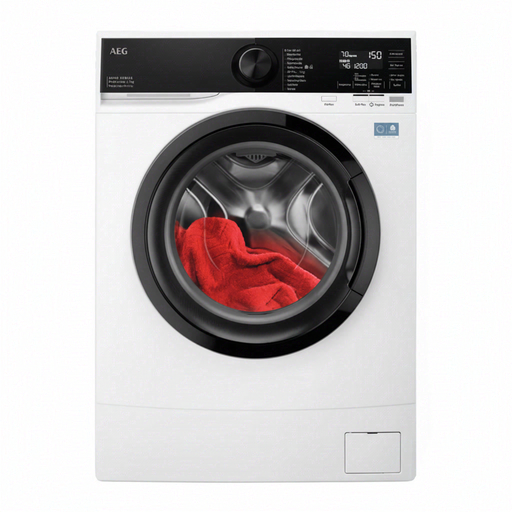
AEG LSR6FA75470 6000 Series ProSense Slim, 7 kg
This slimline front-loader may suit a space where depth is limited, provided there’s enough room to open the door.
The product title lists 7 kg, 1.400 rpm and energy class A.
View at Joybuy
 No image available
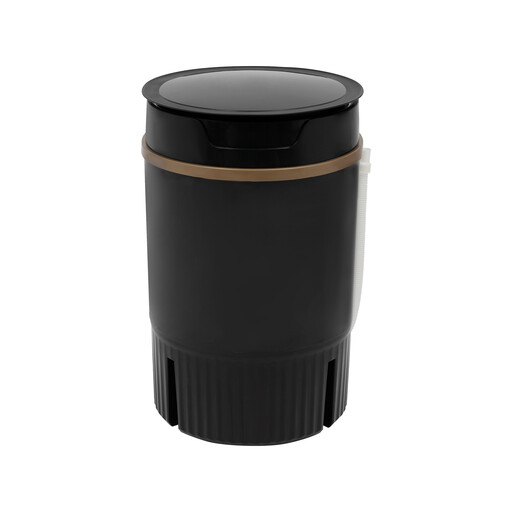
Portable semi-automatic mini washing machine, 4,5 l
This separate mini machine is described as being for very small loads of underwear and isn’t a substitute for a washing machine designed for larger household loads.
The product title lists a 4,5 l capacity and a removable drain basket.
View at Joybuy
 No image available
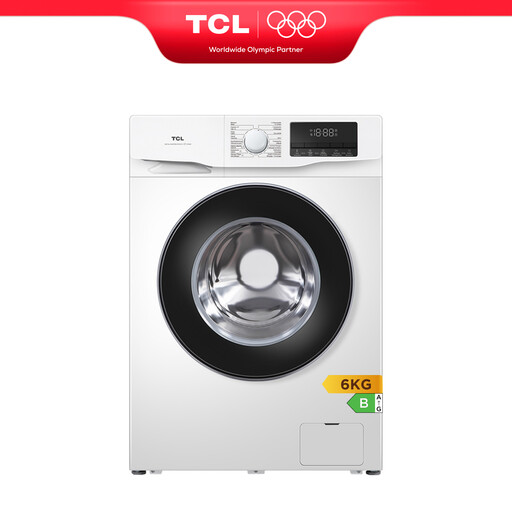
TCL FF1006WB0 slimline front-loader, 6 kg
The slimline design may work in a space with limited depth, provided the front door can open freely.
The product title lists 6 kg, a depth of 45 cm and energy class B.
View at Joybuy
 No image available
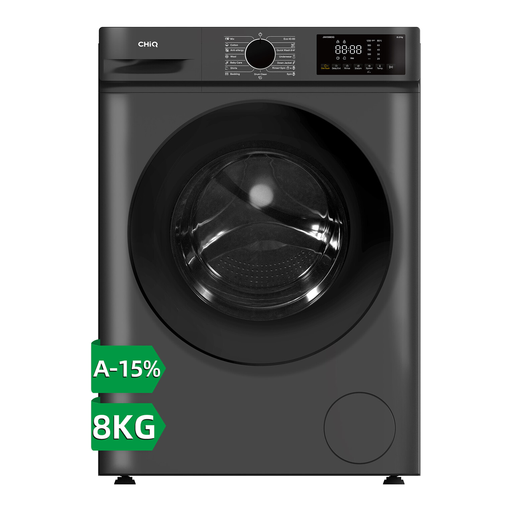
CHiQ JW85883G front-loader, 8 kg
Its stated narrow width may be useful where space is tight; also check the door clearance, depth and connections.
The product title lists 8 kg, a width of 465 mm and 1.400 rpm.
View at Joybuy
 No image available
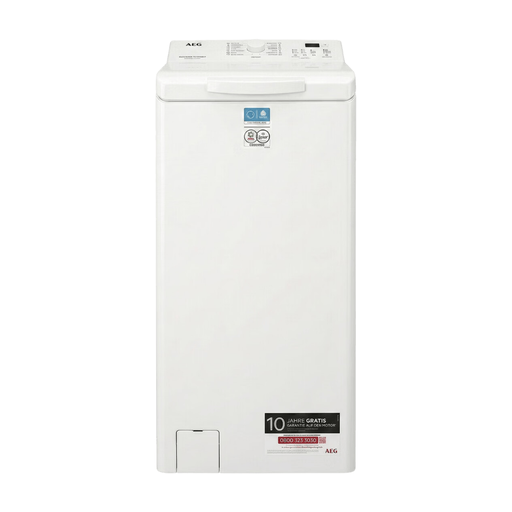
AEG LTR6A41460 6000 Series ProSense top-loader, 6 kg
This top-loader may suit a space with limited width, provided there’s enough room above the machine for the lid to open.
The product title lists 6 kg, 1.400 rpm and energy class A. AEG describes ProSense on this model as adjusting the time, water and energy consumption to the load size.
View at Joybuy
Frequently asked questions
Does cotton underwear always need to be washed at 60 °C?
No, not as a rule. Check the care label first. The German Environment Agency says that boiling or disinfecting laundry isn’t generally necessary in a typical household; the fabric care instructions and wash programme determine the right temperature.
Is ‘Eco 40–60’ automatically a 60 °C wash?
No. The European Commission describes ‘Eco 40–60’ as a programme for normally soiled cotton labelled as washable at 40 °C or 60 °C. If you need a specific temperature, check the instructions for the particular machine.
How can I tell whether a top-loader or front-loader will fit in my laundry space?
Measure the width, depth and height, and allow for opening clearance and connections too. A top-loader needs room above the lid; a front-loader needs space for its door to open forwards. The North Rhine-Westphalia Consumer Advice Centre recommends considering the machine design and available space together.
What should I check before the first wash after installation?
Check the installation dimensions, opening clearance and connections against the installation instructions for the model you’ve bought. In the relevant front-loader instructions, AEG advises removing the transit bolts before use; always follow the instructions for your machine.
How do I compare electricity and water consumption?
Compare the label figures in kWh per 100 Eco cycles and litres per Eco cycle on the same basis. The Consumer Advice Centre recommends these figures for comparing washing machines; they relate to the relevant Eco programme.


